
Last updated November 23, 2026
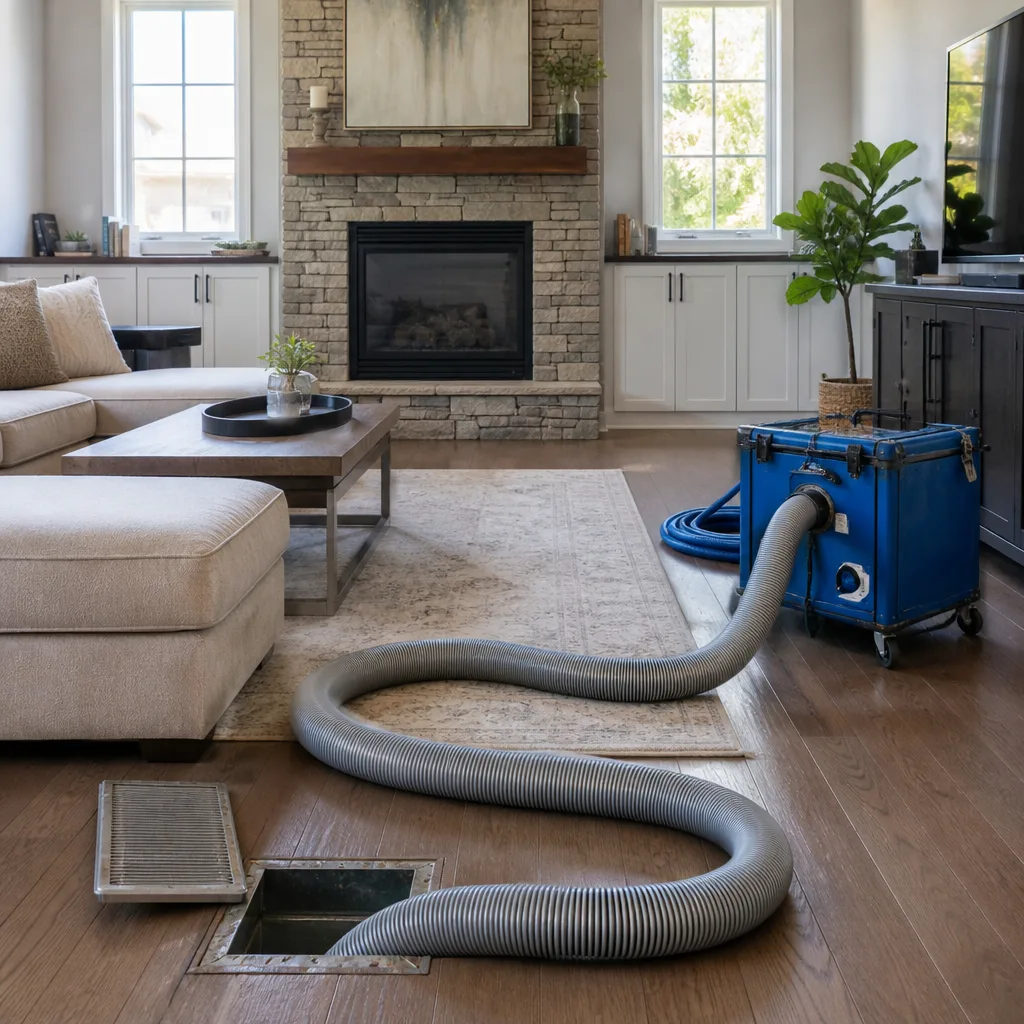 Whole-home duct cleaning
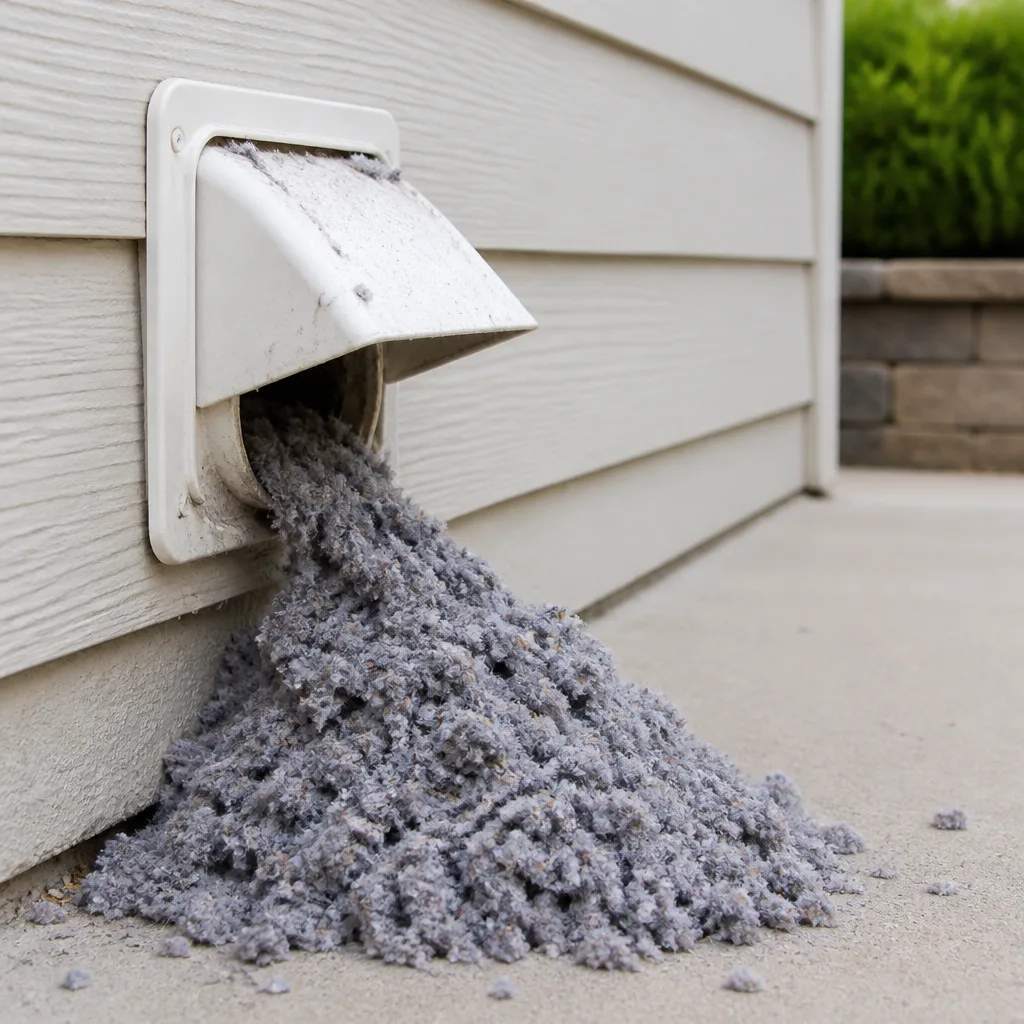 Dryer vent cleaning
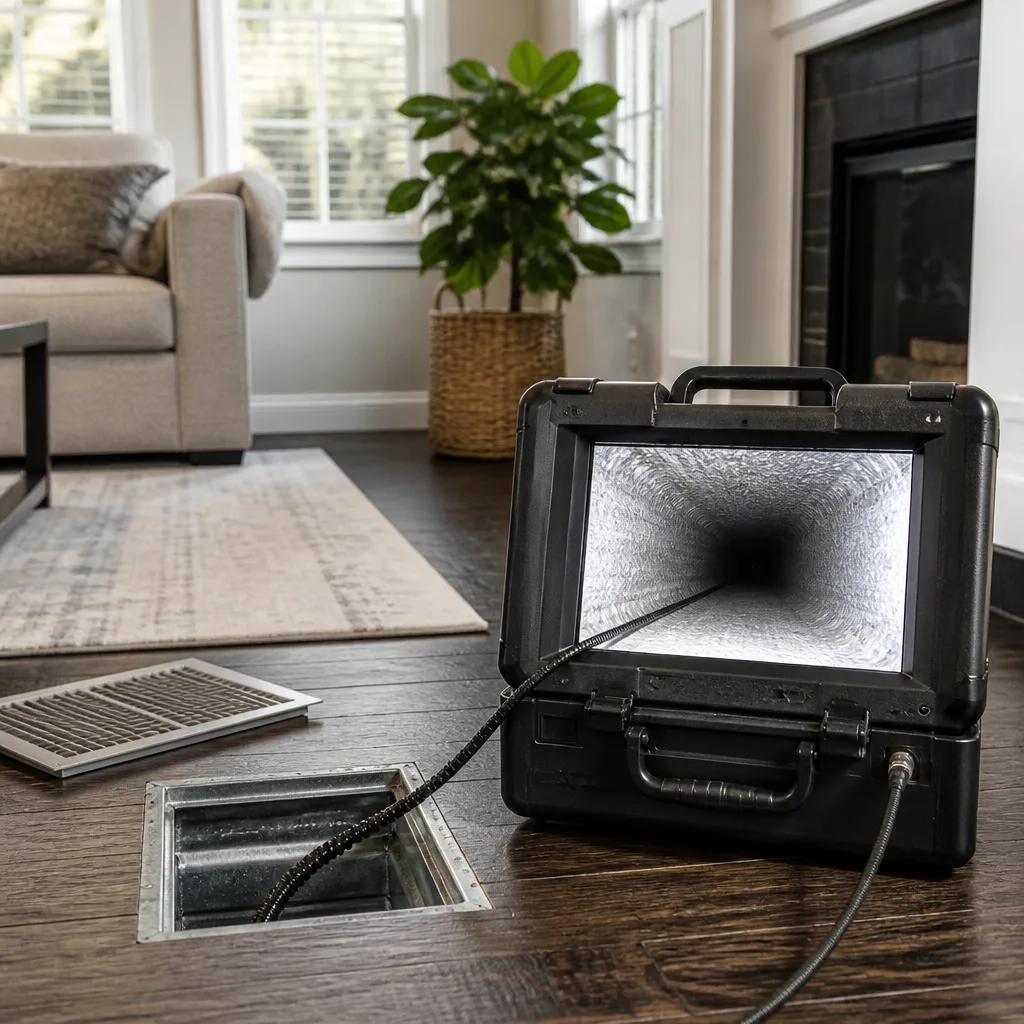 Camera inspection
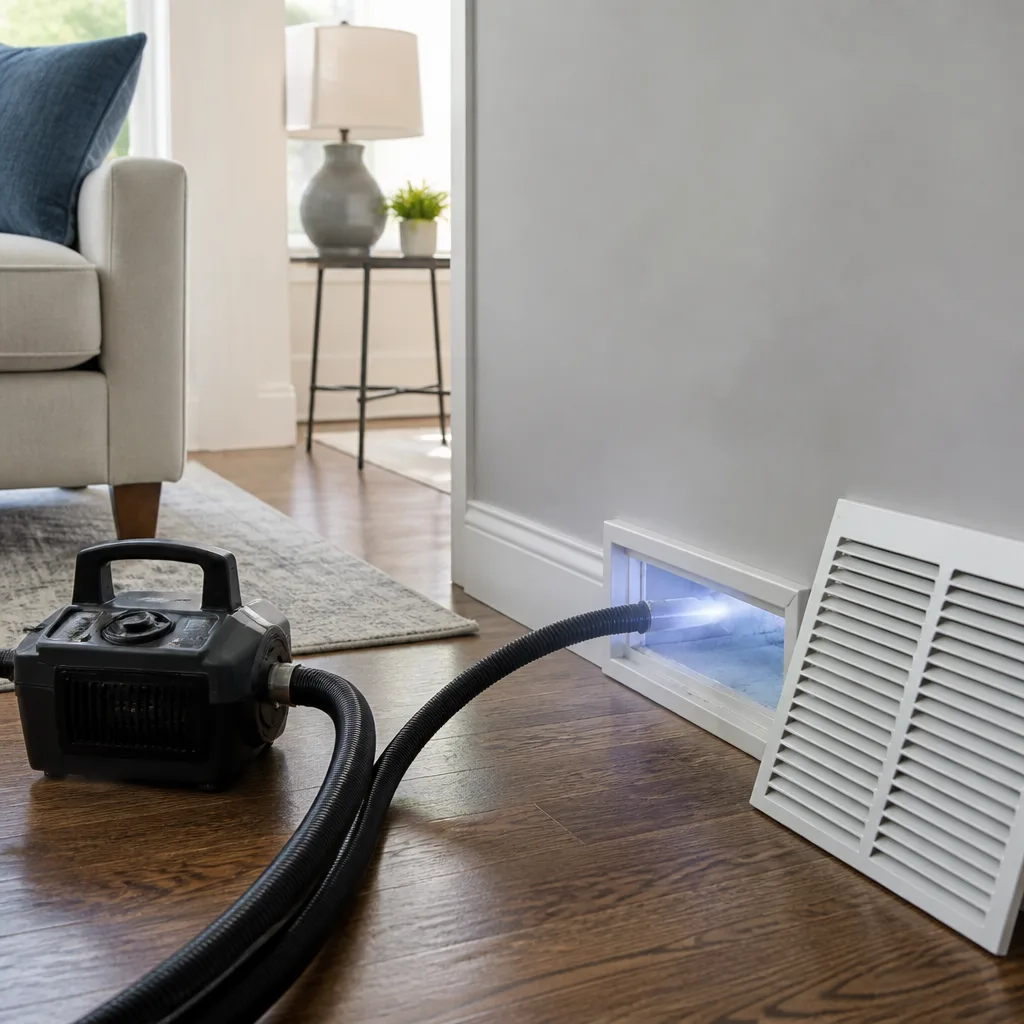 Sanitizing & deodorizing
Whole-system duct and dryer vent check with before-and-after photos - you see exactly what came out of your vents
That "$99 whole-house special" is a bait ad - the real number appears once they are in your hallway, or the "clean" is a shop-vac at the register. We photograph the inside of your ducts before and after instead.
Seasonal Air Duct Cleaning Care for Arvada: Year-Round Homeowner’s Guide
Most homeowners in Arvada treat air duct cleaning as a single box to tick once every few years, and that assumption is the source of most of the dust, odor, and allergy complaints we hear about. A duct system in Arvada doesn’t face one kind of stress; it faces four, and they arrive on a schedule. Spring pushes pollen and fine grit into fresh-air intakes. Summer sends wildfire smoke particles deep into duct liners. Fall flips the furnace on and bakes months of settled debris. Winter’s dry indoor air changes how dust clings to every surface inside the system. This guide maps what actually happens inside your ductwork at each of Arvada’s four seasons, why the shoulder seasons are the hardest on a system that hasn’t been serviced, and how to time professional cleaning around filter changes and HVAC tune-ups so each service does more work for you.
Quick Answer
Seasonal air duct care in Arvada means cleaning before the cooling season and again before heating season, changing filters four times a year, and addressing dryer vents and duct sealing as part of the same cycle. Arvada’s elevation and Front Range wind exposure accelerate particulate loading in spring and fall, so cleaning at those transitions captures more debris than a single midsummer appointment. Professional cleaning timed to the shoulder seasons, with filter changes in between, keeps the whole system from the duct opening to the air handler working the way it should.
Styles & brands we work with
- Whole-home duct cleaning
- Dryer vent cleaning
- Camera inspection
- Sanitizing & deodorizing
Table of Contents
- Why Arvada’s Four Seasons Create Four Different Duct Problems
- Spring: Post-Winter Residue and Pollen Infiltration
- Summer: Wildfire Smoke and Fine Particle Settling
- Fall: The Furnace First-Fire Smell Decoded
- Winter: Dry Air, Dust Adhesion, and Microbial Risk
- How to Time Cleaning Around Filters and HVAC Tune-Ups
- Dryer Vent Cleaning as Part of the Seasonal Cycle
- Sealing and Repair: The Step Most Cleanings Skip
Why Arvada’s Four Seasons Create Four Different Duct Problems
Arvada sits at 5,338 feet on the western edge of the Denver metro, directly in the path of Front Range wind events that push fine particulates into homes at rates lower-elevation cities don’t experience. That single geographic fact changes how duct systems behave here. Air that carries more suspended grit and pollen has more material to deposit inside duct liners, and the shoulder seasons, spring and fall, are when those deposits build fastest because the system is running less predictably and outdoor particulate levels are highest.
The result is four distinct contamination patterns across the year:
- Spring: pollen and wind-driven grit load into fresh-air intakes and return grilles while the system transitions from heating to cooling.
- Summer: wildfire smoke pushes fine PM2.5 particles through standard filters into duct liners, where they settle and stay.
- Fall: the first furnace fire burns off settled dust on the heat exchanger and sends odor and debris through the whole system.
- Winter: low indoor humidity changes how dust adheres to duct walls and raises microbial risk on insulated flex duct.
Treating duct care as a single annual event misses three of those four. What works is a cycle: clean at the two transitions when contamination peaks, change filters between them, and inspect the whole system, including the air handler, at each visit. Our technicians have up to 10 years of experience reading exactly these seasonal patterns, and it’s the reason we approach a job as air duct cleaning that starts with an assessment of what the season has already left behind.
Spring: Post-Winter Residue and Pollen Infiltration
Spring is the first of Arvada’s two hard shoulder seasons, and it combines two problems. The first is leftover winter residue: a full heating season leaves fine dust, combustion byproducts where applicable, and settled material throughout the return side of the system. The second is new loading, because pollen and wind-driven grit come in through fresh-air intakes and any return path that isn’t sealed tightly.
That combination matters because the moment you switch from heating to cooling, the system starts moving that accumulated material differently. Cool air is denser, the blower runs for longer cooling cycles, and anything loose in the ductwork gets redistributed to rooms you use most: bedrooms, living spaces, the rooms where allergy sufferers and young children spend the most time.
The case for cleaning before the cooling season starts is straightforward: you clean once and the cooling season runs on a clean system rather than pushing winter’s leftovers into the air all summer. Our approach uses mechanical agitation with Rotobrush and Nikro equipment, plus containment from Abatement Technologies so debris pulled loose stays in the cleaning setup instead of in your home. The steps look like this:
- Inspect the duct system and air handler to identify where winter residue has settled and where intake paths are loose.
- Set up containment so the cleaning process is sealed, not open to the living space.
- Mechanically agitate and extract debris from supply and return runs, trunk lines, and the plenum.
- Clean the air handler components that accumulate dust, because a clean duct feeding a dirty air handler returns to dirty fast.
- Replace filters and verify the whole run is clean from the duct opening to the air handler.
Spring cleaning also catches pollen infiltration early. Left through the cooling season, pollen accumulates in duct liners where it keeps releasing into room air every time the blower cycles. Cleaning before cooling removes the source rather than chasing the symptom.
Summer: Wildfire Smoke and Fine Particle Settling
Summer in Arvada means smoke season across the Front Range, and wildfire smoke creates a du
ct problem most homeowners don’t anticipate. The particles that matter most are fine PM2.5, small enough to pass through standard HVAC filters, circulate through the system, and settle inside duct liners where nothing in normal operation reaches them. Standard filters are built to protect equipment from larger debris; they were never designed to catch every fine particle in heavy smoke.
The practical result: a home that runs its system through a smoky stretch pulls fine particles in, deposits them along duct surfaces, and then keeps circulating a small amount of them long after the smoke clears. That’s why mid-season attention matters, even when a full cleaning isn’t due yet.
What you can do mid-season, in order of effort:
- Change or upgrade your filter. A higher-MERV filter captures more fine particles than a standard one, but it must match what your blower can handle. Our familiarity with Honeywell and Aprilaire filtration products means we can help you find the right match rather than guessing.
- Run the system less during heavy smoke events, and keep windows and doors closed while outdoor air quality is poor.
- Watch for the signs that fine particles have already settled: a faint smoky or dusty odor when the blower starts, visible dust near registers, and increased allergy symptoms indoors.
If those signs appear, a mid-summer cleaning pulls the settled particles out before they keep recirculating. And it’s worth noting that the best defense is timing: a spring cleaning removes the winter residue before summer smoke adds to it, so there’s less material to load onto when wildfire season arrives in Arvada. A full HVAC cleaning at that point also addresses the air handler and coil, which collect the same fine particles the ducts do.
Fall: The Furnace First-Fire Smell Decoded
The first time a furnace fires up in the fall, many Arvada homeowners notice a burning or dusty smell coming from the vents. That smell has a specific cause, and understanding it tells you whether you’re looking at normal behavior or a cleaning signal.
The odor is usually settled dust burning off the heat exchanger. Over the warm months, fine dust coats the heat exchanger surface. When the furnace fires for the first time, that dust cooks off and the smell travels through the ductwork. In most homes it fades within a short heating cycle or two. That’s the normal version.
When the smell doesn’t fade, or it comes back after the burn-off, it signals something else:
- Dust coating the heat exchanger is thick enough that a single burn-off doesn’t clear it, which usually points to a system overdue for cleaning.
- The furnace is pulling dusty air because filters were left too long, so new dust arrives as fast as the old burns off.
- Restricted airflow from a dirty system is forcing the furnace to work harder, and the smell is a symptom of a larger problem.
Fall is the second hard shoulder season. Cleaning now removes months of summer debris, including any smoke particles that settled in July and August, before the heating season circulates it. It’s also the ideal time to pair cleaning with an HVAC tune-up, because both services benefit from a clean system. When we clean, we use professional-grade mechanical equipment and containment from Abatement Technologies, wipe down the components that feed the air handler, and finish with a sealed, cleaned, and verified result you can inspect. If a burner or heat exchanger smell continues after the burn-off, have a licensed HVAC technician check the equipment before you keep running it.
Winter: Dry Air, Dust Adhesion, and Microbial Risk
Winter heating in Arvada runs a system hard while indoor air gets dry, and that combination changes how dust behaves inside ductwork. In a dry heated home, fine dust particles carry more static charge and adhere more strongly to duct walls and liner surfaces. Dust that in a more humid climate might stay loose and travel is more likely to stick, which means it accumulates through the season rather than passing through.
Insulated flex duct raises a second winter concern. The interior lining of flex duct can hold moisture at the seams where cold exterior air meets warm interior air. Over a winter of cycling, that moisture creates conditions where microbial growth can develop on the lining. If you notice a musty or earthy smell from your registers in winter, that’s the reason to investigate, and it’s why standard cleaning alone isn’t always enough.
Winter is also when air quality sanitizing earns its place. Sanitizing with Guardsman products after cleaning addresses bacteria, mold spores, and odors on duct surfaces. The timing matters: sanitizing after a cleaning protects the work already done, and it’s most useful going into winter when the system runs its densest heating cycle. What you can check yourself:
- Look at register grilles for dust accumulation, which hints at what’s inside the run behind them.
- Note any musty smell from vents that doesn’t clear with a filter change.
- Track whether allergy or asthma symptoms get worse indoors during heating months.
- Watch for visible dust plumes or a puff from vents when the furnace kicks on.
If those signs appear in winter, a cleaning plus a sanitizing treatment addresses both the dust loading and the microbial question. Winter isn’t the ideal time for the annual cleaning, but it’s the right time to act when the signs are there.
How to Time Cleaning Around Filters and HVAC Tune-Ups
Timing is where seasonal care pays off most, because cleaning done at the wrong moment forces the system to reload quickly. The core cycle for most Arvada homes: professional cleaning in spring before cooling season, again in fall before heating season, with filter changes every three months in between.
Here’s a year-round schedule you can apply:
- Early spring: professional duct cleaning, plus a full-system check. Change filters at the same visit.
- Late spring: filter change. If pollen season was heavy, check registers and intakes for visible buildup.
- Midsummer: filter change. If wildfire smoke was significant, watch for the settled-particle signs above.
- Early fall: professional cleaning again, paired with the furnace tune-up. Change filters at the same visit.
- Late fall and midwinter: filter changes on schedule. Address any musty or persistent burning smells immediately.
The reason to pair cleaning with a tune-up: a technician tuning a furnace or AC on a dirty system is working around debris, while a technician tuning a freshly cleaned system gets an honest read on airflow and equipment condition. Each service makes the other more useful. If you’re not sure when your system was last cleaned, start with an inspection and let the condition of the system set the schedule rather than the calendar alone.
Dryer Vent Cleaning as Part of the Seasonal Cycle
Dryer vent cleaning belongs in the same seasonal cycle as duct cleaning, and it’s a fire-prevention measure homeowners in Arvada too often skip. Lint accumulates in the vent run, and that accumulation is a documented fire hazard the National Fire Protection Association flags as critical home maintenance. It also throttles dryer efficiency: a vent that’s half-blocked makes every load take longer and pumps more heat into the wrong places.
Our preference is to address the dryer vent at the same seasonal visit as the ducts, because the mechanics are related and the risk is real. The check is simple:
- Lint accumulation visible around the outside vent flap.
- Loads taking noticeably longer to dry than they used to.
- The dryer or the exterior vent feeling unusually hot.
- A burning or musty smell in the laundry area during a cycle.
Cleaning the full run, from the dryer connection out through the exterior vent, removes the accumulation and restores airflow. On a seasonal cycle, dryer dryer vent cleaning runs alongside your duct cleaning so the two services operate on the same calendar and neither gets forgotten. That’s the practical way to keep a documented hazard from sliding down the list.
Sealing and Repair: The Step Most Cleanings Skip
Cleaning a leaky duct system is only part of the job, because loose joints, disconnected runs, and gaps at the air handler let the system draw in unfiltered air from attics, crawlspaces, and wall cavities. In an older Arvada home, these leaks are common. A cleaning that leaves them in place trades clean air inside the system for a fresh supply of dusty air pulled in from spaces a duct system was never meant to draw from.
That’s why our scope includes duct repair and sealing alongside cleaning. The sequence:
- Inspect and clean the system first, so sealant goes onto a clean surface.
- Identify leaks, disconnected runs, and gaps around the air handler and plenum.
- Seal joints and gaps so the system draws from its intended return path, not from surrounding cavities.
- Verify airflow and confirm the sealed system performs as intended.
Sealing in the same visit as cleaning also makes the next cleaning stick. Sealed ductwork loads more slowly and filters work the way they were designed to, so the spring and fall cleanings last longer between visits. When we finish a job, the goal is a duct system that’s sealed, cleaned, and verified, not a system that’s been vacuumed and left to reload.
Common Mistakes to Avoid
- Cleaning once a year and calling it done. Arvada’s four-season pattern means a single annual cleaning misses the spring pollen and fall switchover peaks; two cleanings clean at the transitions when loading is highest.
- Changing filters on the calendar but never scheduling cleaning. Filters capture coarse debris; fine smoke particles and settled dust in duct liners stay put and keep recirculating until the system is mechanically cleaned.
- Letting a high-MERV filter load up during smoke season. A high-MERV filter that’s matched to your blower is useful, but one that’s clogged and mismatched restricts airflow and stresses the system. Match it to the equipment and change it on time.
- Writing off a persistent fall smell as normal. A first-fire burn-off that fades is normal; one that keeps coming back after a heating cycle usually signals thick dust on the heat exchanger and a system overdue for cleaning.
- Skipping the dryer vent because it isn’t part of the ducts. Lint accumulation is a documented fire hazard and a near-certain efficiency drain; treat it as a scheduled item, not a someday task.
- Leaving duct leaks in place after a cleaning. Cleaning a leaky system without sealing it lets attic and crawlspace air pull back into the clean run; seal at the same visit.
- Judging by what comes out of the vents. Visual debris through a register tells you very little about liner condition or air handler loading; an inspection from the duct opening to the air handler is what actually tells you the system’s state.
See the difference
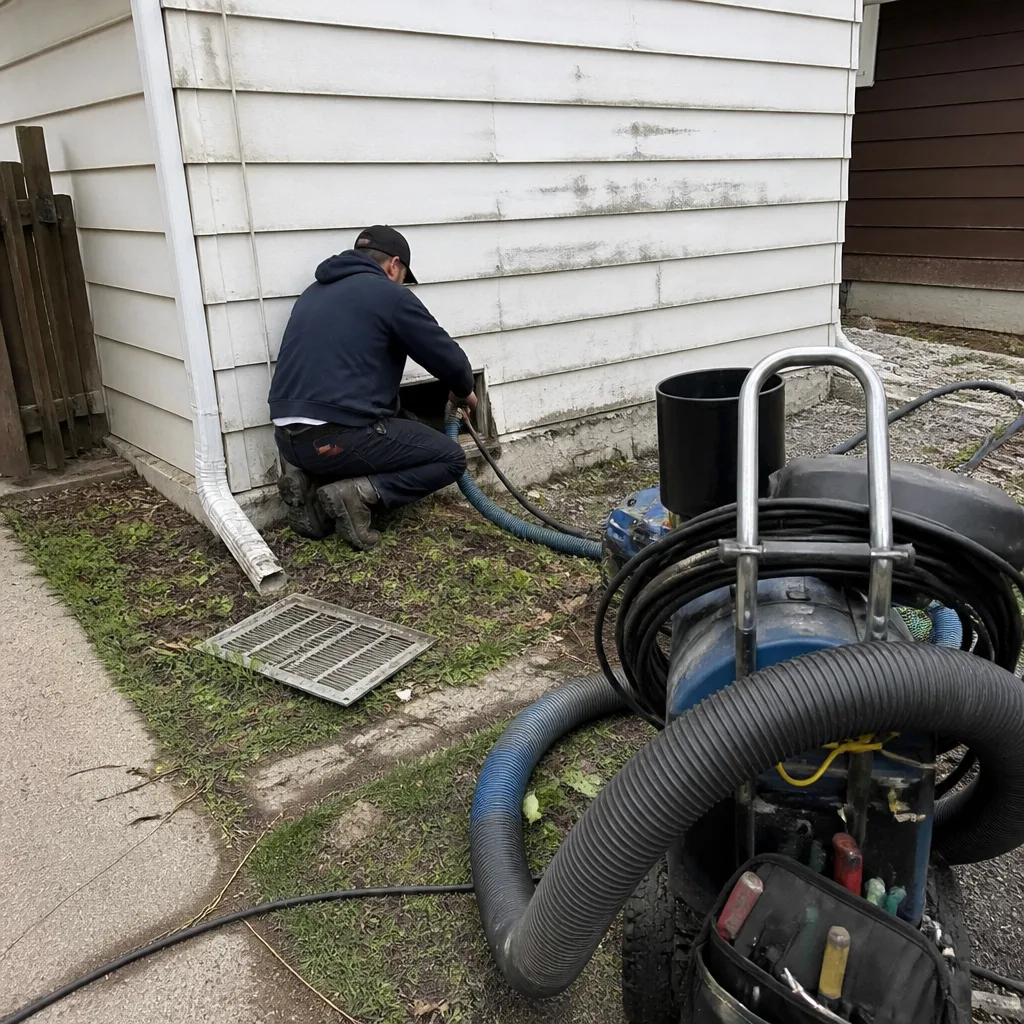 Before
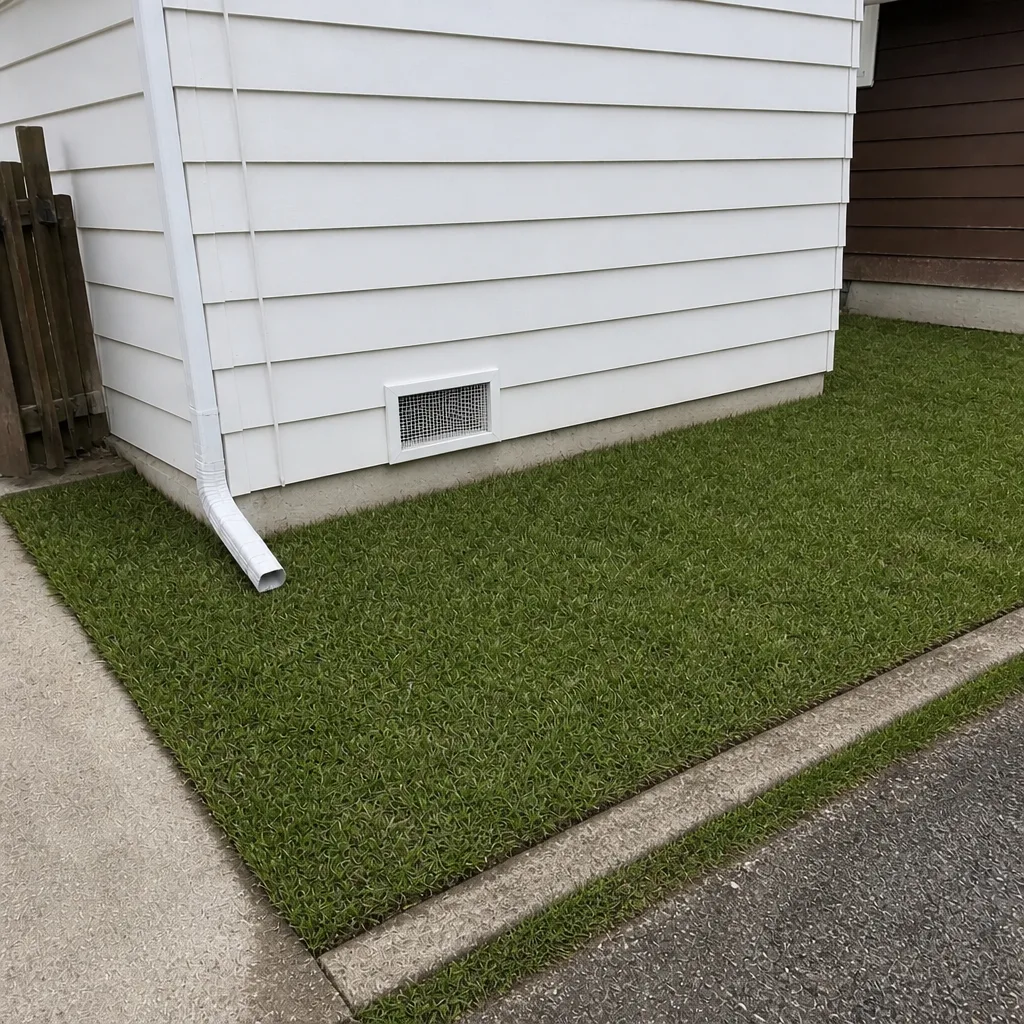 After
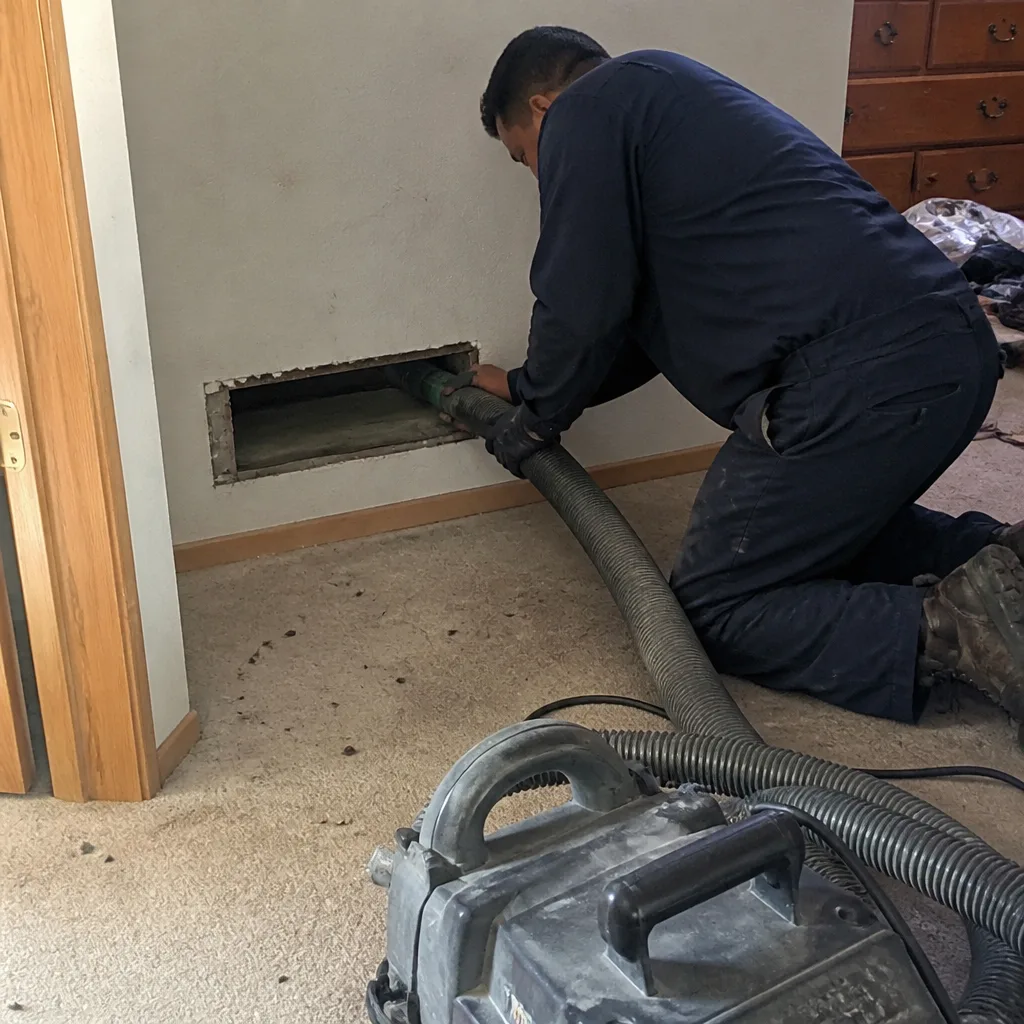 Before
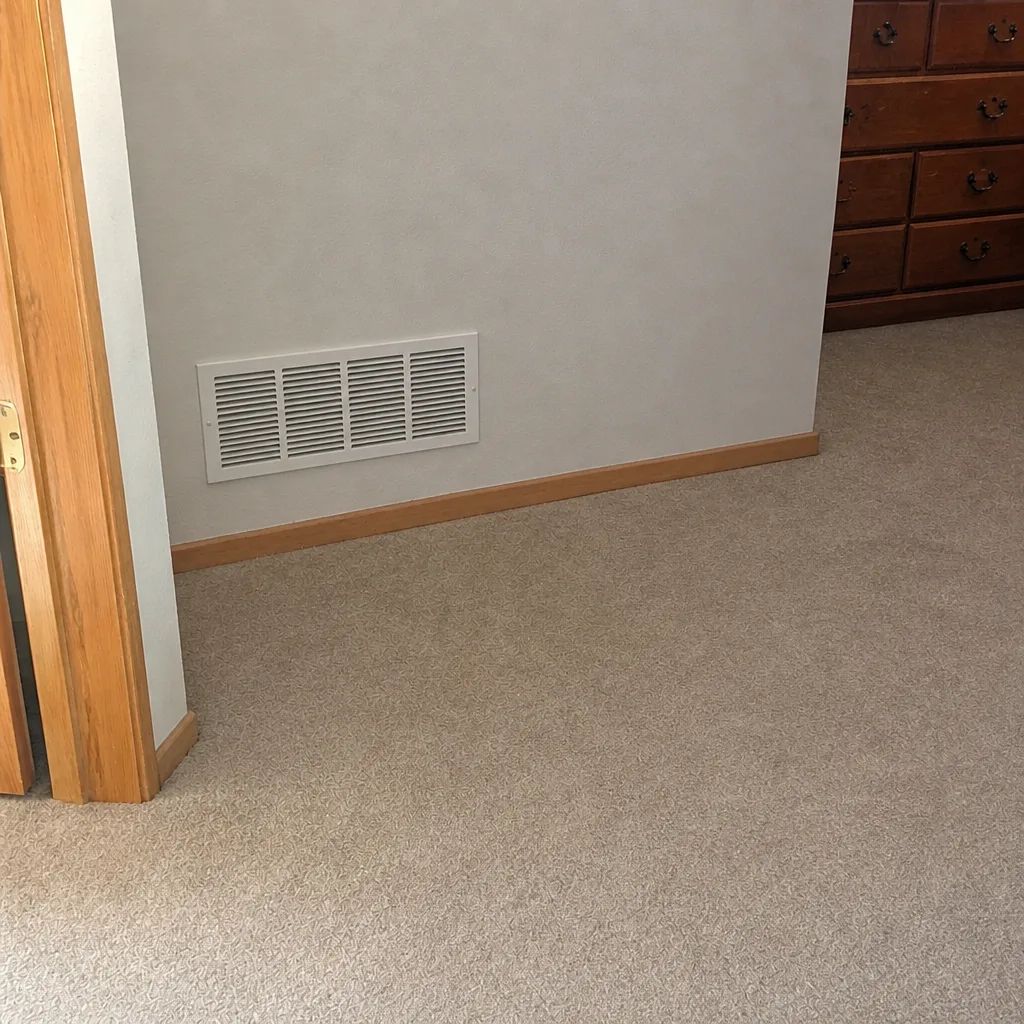 After
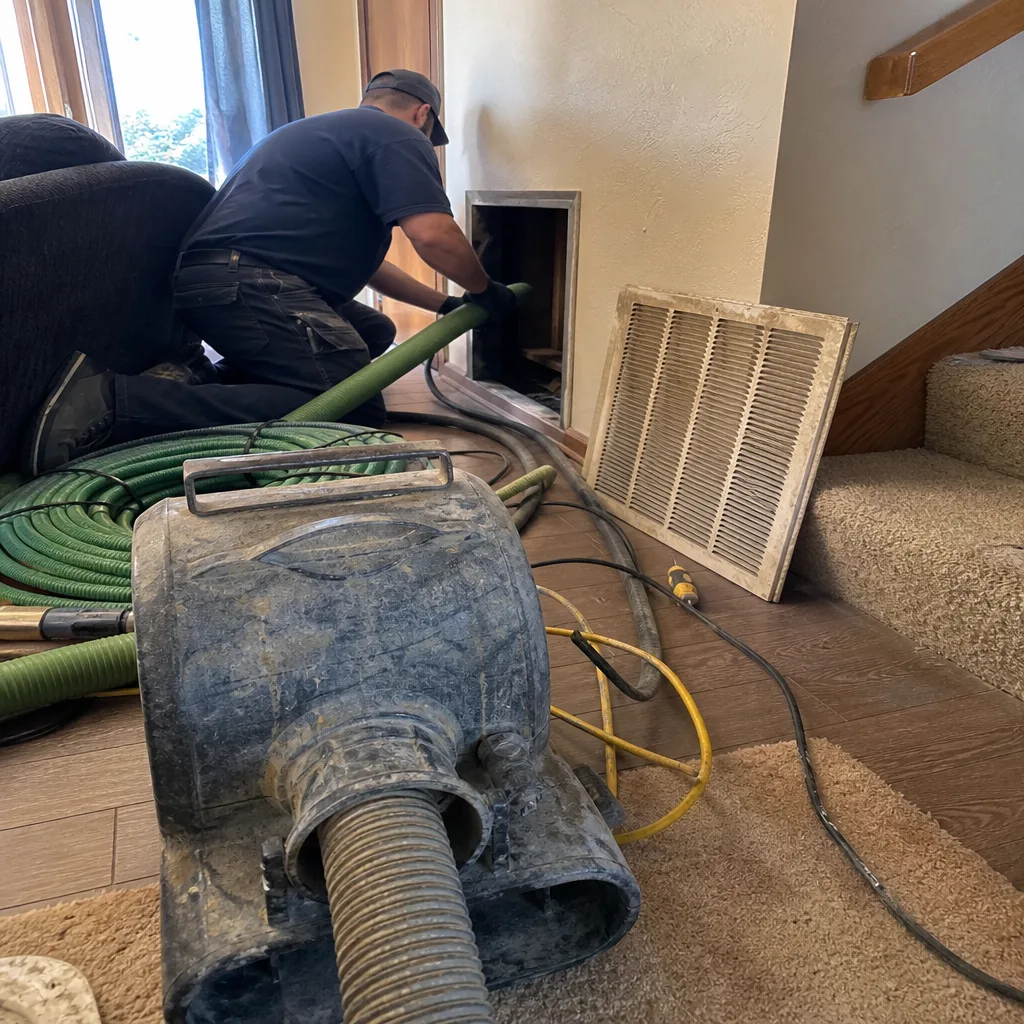 Before
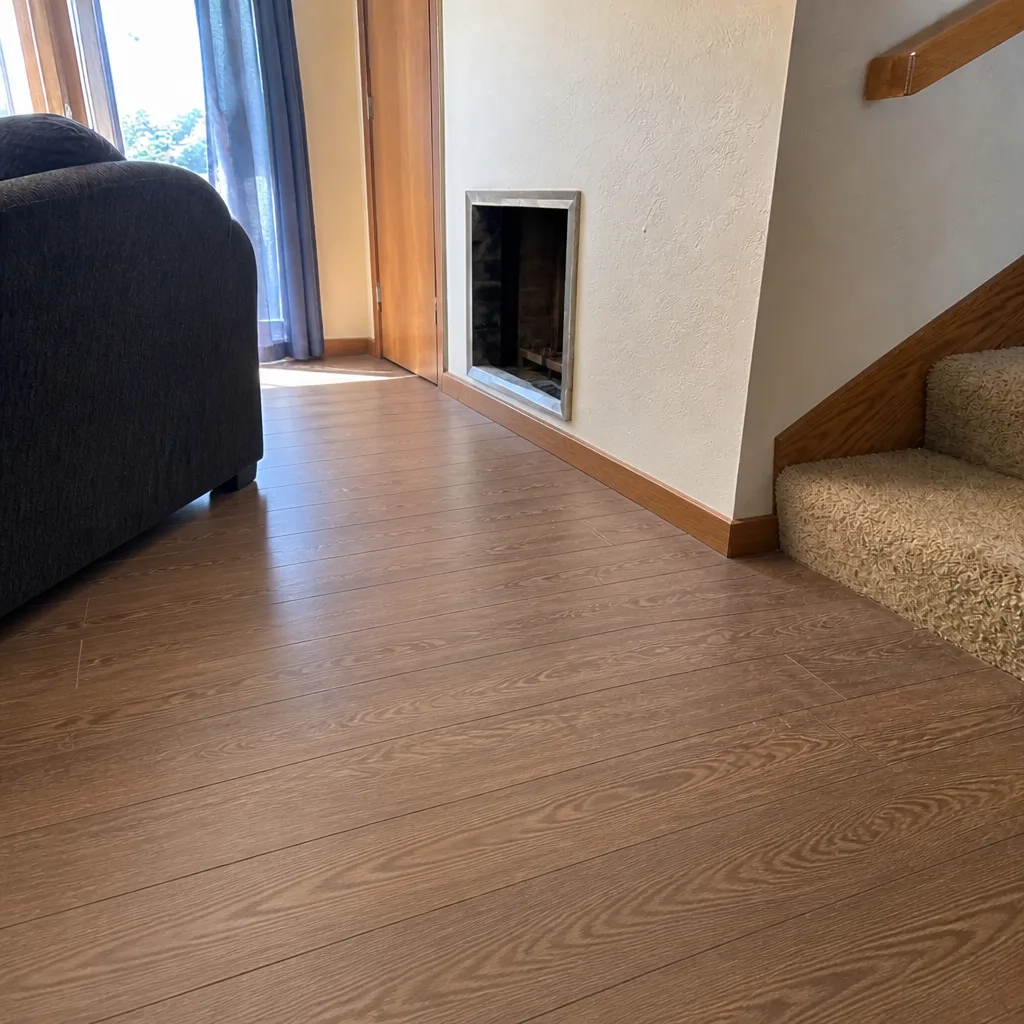 After
When to Call a Professional
Some situations are clear signals that a seasonal cleaning shouldn’t wait for the calendar. Call if a musty or smoky smell comes from the vents and doesn’t clear after a filter change. Call if anyone in the house has worsening allergy or asthma symptoms during heating or cooling season. Call after a renovation, a move-in to a home with unknown service history, or any stretch of heavy wildfire smoke that ran your system hard. Call if the fall first-fire smell returns after the initial burn-off, or if you notice lint buildup at the exterior dryer vent. And call if you simply want an honest read on where your system stands before the next transition. Arvada Air Duct Cleaning Co offers free estimates in Arvada – call (833) 482-6448. We answer 24/7. Fast dispatch from 7am to 7pm, Sunday through Friday.
Frequently Asked Questions
Twice a year for most Arvada homes works best: once in spring before cooling season and once in fall before heating season. Homes with pets, allergy sufferers, young children, or heavy smoke exposure often benefit from the same twice-a-year cadence with closer attention to filters in between. Call (833) 482-6448 for an exact quote – estimates are free.
That smell is usually settled dust on the heat exchanger burning off at first fire, and it normally fades within a heating cycle or two. If it keeps returning after the burn-off, the system is likely overdue for cleaning and possibly pulling dusty air through badly loaded filters. A professional assessment will tell you which it is; call (833) 482-6448 for an exact quote and estimates are free.
Yes, in two ways. Arvada sits at 5,338 feet, directly in the path of Front Range wind events that push fine particulates into homes at rates lower-elevation cities don’t experience, and the same wind loads pollen and grit into fresh-air intakes in spring. That’s why cleaning at the spring and fall transitions captures more debris than a single annual appointment. Call (833) 482-6448 for an exact quote – estimates are free.
No. Standard filters protect the equipment from larger debris, but fine PM2.5 smoke particles pass through and settle inside duct liners, where normal operation can’t reach them. A higher-MERV filter matched to your blower helps, and a professional cleaning removes what’s already settled. Call (833) 482-6448 for an exact quote – estimates are free.
No. A dryer that still works can still have a lint accumulation building in the vent run, and that accumulation is a documented fire hazard. Lint restricts airflow and raises heat well before drying performance noticeably drops, so treating the dryer vent as a scheduled item is the safer path. Call (833) 482-6448 for an exact quote – estimates are free.
Ask for before-and-after photos and a walkthrough from the duct opening to the air handler. Proper containment from Abatement Technologies keeps debris in the cleaning setup rather than the home, and a thorough job ends with a sealed, cleaned, and verified result you can inspect. Call (833) 482-6448 for an exact quote – estimates are free.
The Bottom Line
Seasonal air duct care in Arvada comes down to reading the four seasons correctly. Spring brings post-winter residue and pollen infiltration; summer pushes fine wildfire smoke particles into duct liners where standard filters can’t stop them; fall turns the furnace on and carries months of settled dust through the system, with the first-fire smell telling you whether it’s normal burn-off or a cleaning signal; winter’s dry air makes dust stick and raises microbial concerns on flex duct. Clean at the spring and fall transitions, change filters every three months, seal leaks at the same visit as the cleaning, and treat dryer vent cleaning as part of the same cycle. Done in that order, each service carries the next.
Get a Free Estimate
Arvada Air Duct Cleaning Co provides Arvada Air Duct Cleaning Co full-system care – air duct cleaning, dryer vent cleaning, HVAC cleaning, duct repair and sealing, and air quality sanitizing – using professional-grade equipment from Rotobrush, Nikro, and Abatement Technologies, with air quality products from Honeywell, Aprilaire, and Guardsman. Our technicians have up to 10 years of experience, and every job ends with a sealed, cleaned, and verified system and before-and-after photos. Call (833) 482-6448. We answer 24/7. Fast dispatch from 7am to 7pm, Sunday through Friday. The estimate is free, and the written estimate sets the final price.
Written by the team at Arvada Air Duct Cleaning Co.