
Last updated November 23, 2026
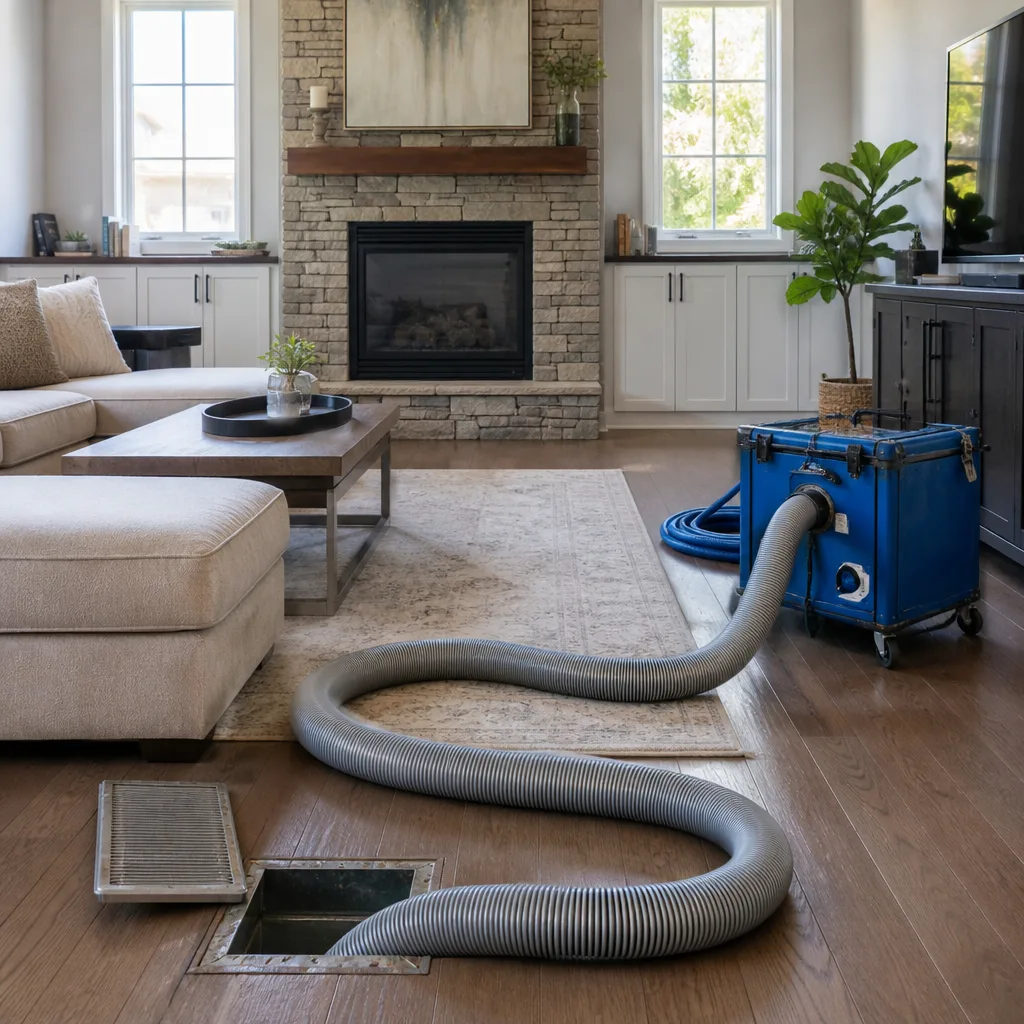 Whole-home duct cleaning
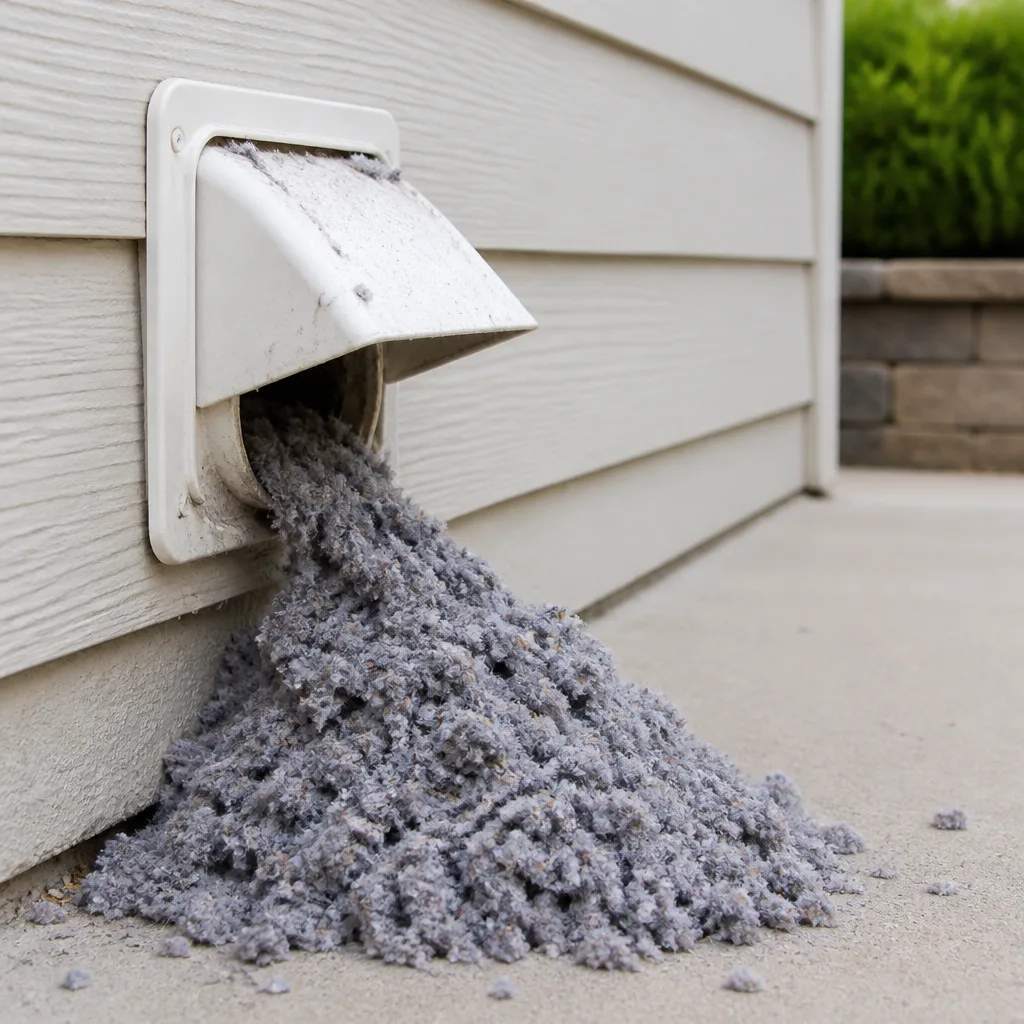 Dryer vent cleaning
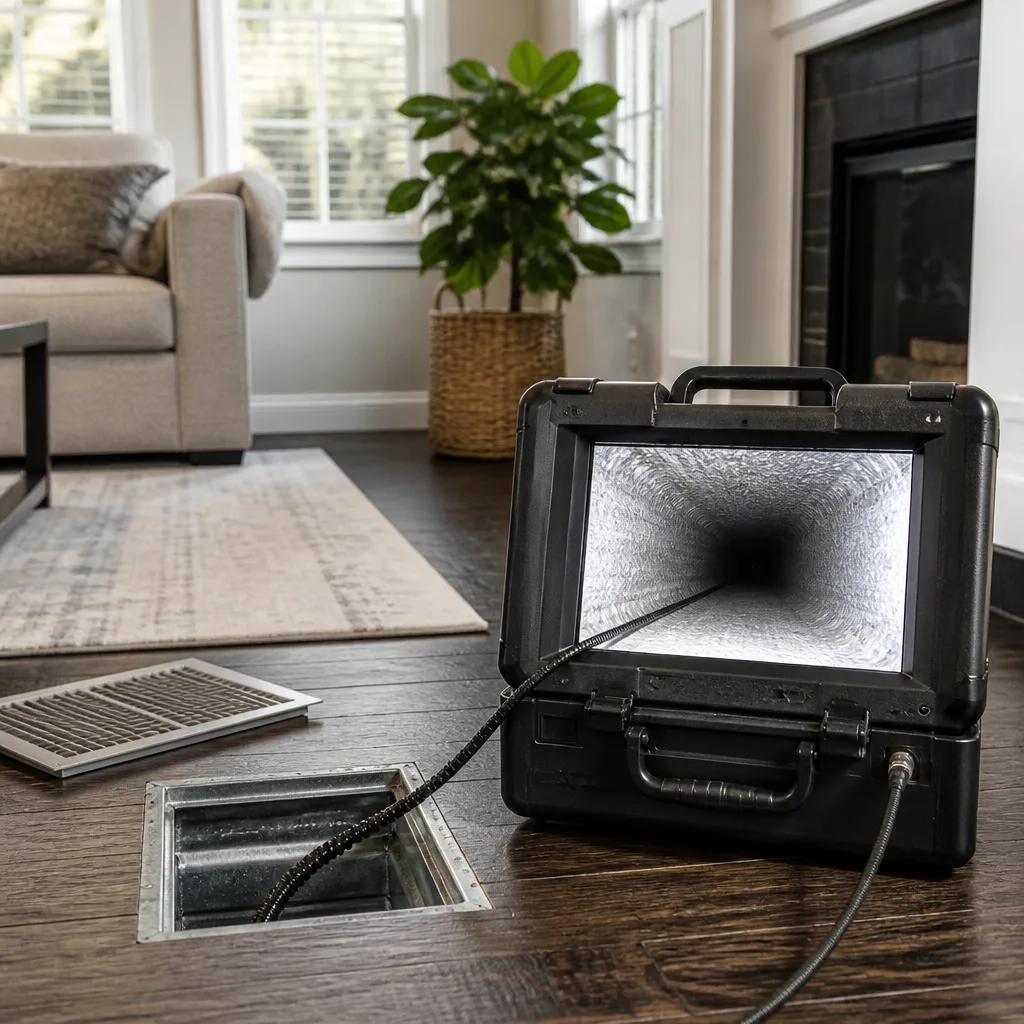 Camera inspection
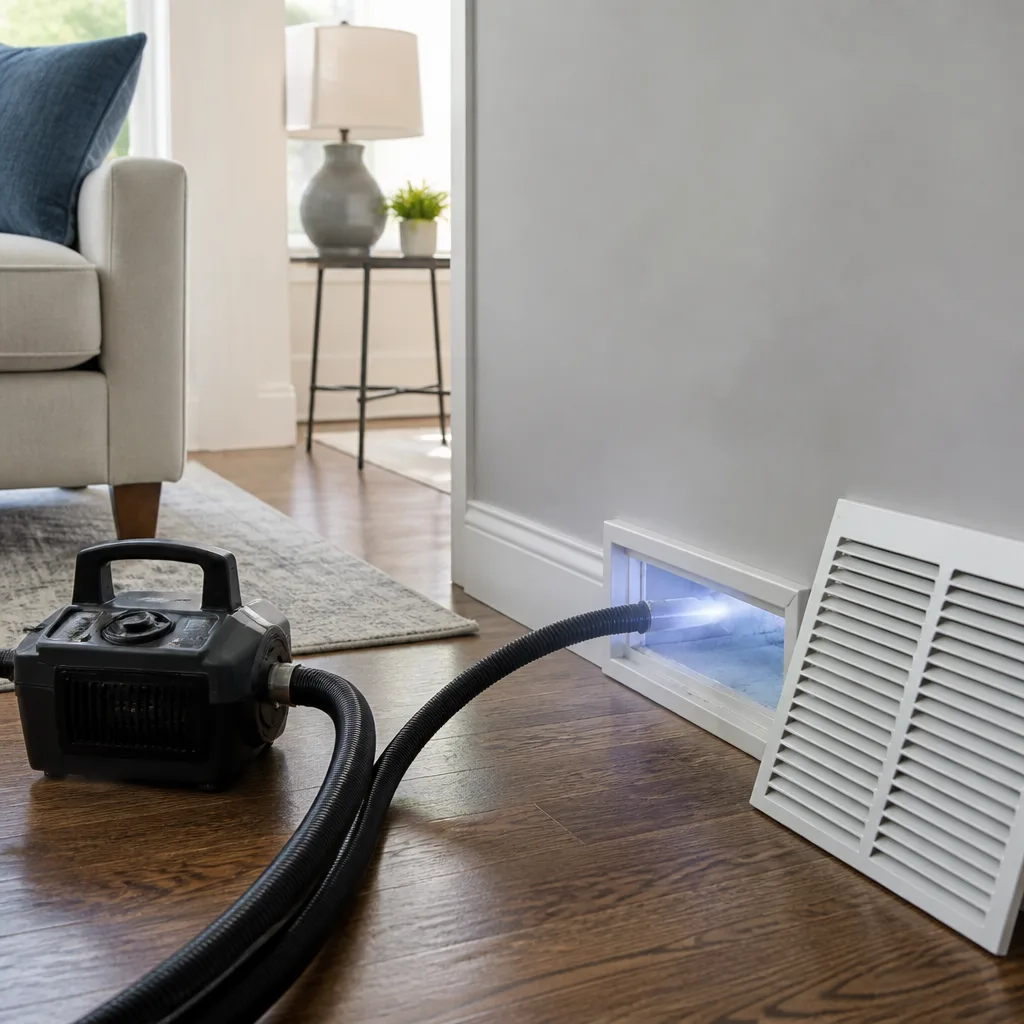 Sanitizing & deodorizing
Whole-system duct and dryer vent check with before-and-after photos - you see exactly what came out of your vents
That "$99 whole-house special" is a bait ad - the real number appears once they are in your hallway, or the "clean" is a shop-vac at the register. We photograph the inside of your ducts before and after instead.
Air Duct Cleaning Emergency Preparedness Guide for Arvada Homes
Most homeowners treat duct cleaning as a spring-cleaning chore. Something to get to eventually. But after the Marshall Fire burned through adjacent Boulder County communities in December 2021, thousands of homeowners discovered that wildfire smoke doesn’t just smell. It deposits fine particulate and volatile compounds inside duct liners that continue off-gassing long after outdoor air quality returns to normal, and standard cleaning protocols aren’t sufficient for smoke remediation. That’s the gap this guide fills. In Arvada, where wildfire corridors sit close, Front Range wind events push smoke and debris across the metro, and much of the housing stock predates modern duct sealing, a duct emergency is a real possibility. We’ll walk you through what to do before, during and after one, from smoke infiltration to flood damage to renovation dust.
Quick Answer
Air duct emergency preparedness in Arvada means knowing three things in advance: what type of contamination you’re facing (smoke, moisture, or construction debris), how fast you need to act (smoke infiltration may call for encapsulation or liner replacement, moisture damage gives you a 48 to 72 hour window before mold colonizes insulated flex duct, and construction dust needs cleaning after the project finishes but before you run the system hard), and how to document everything for insurance. The homeowners who handle these events well are the ones who already have a plan and a contact before the event hits.
Styles & brands we work with
- Whole-home duct cleaning
- Dryer vent cleaning
- Camera inspection
- Sanitizing & deodorizing
Table of Contents
- Post-Wildfire Smoke Infiltration: Why Standard Cleaning Falls Short
- Flood and Moisture Events: The 48 to 72 Hour Window
- Construction Contamination: Protecting the System During Renovation
- HVAC Shutdown Protocol During an Air Quality Emergency
- Documentation for Insurance Claims
- Building Your Household Duct Emergency Plan
- What Recovery Looks Like After a Contamination Event
- Ongoing Maintenance: The Best Emergency Is the One You Avoid
Post-Wildfire Smoke Infiltration: Why Standard Cleaning Falls Short
Wildfire smoke isn’t just soot. It’s a mixture of fine particulate matter, volatile organic compounds, and ash that settles into every crevice of your duct system, including the porous interior of insulated flex duct and the fibrous lining of duct board. When smoke infiltrates a home’s HVAC system during a fire event, the residue doesn’t simply sit there. It continues to release odor compounds and fine particulate into the airstream with every cycle, long after the outdoor air quality index has returned to normal.
Here’s the part most homeowners don’t know: a standard mechanical cleaning with a vacuum and brush is a necessary first step, but it doesn’t remove deeply absorbed smoke compounds from duct liner materials. In our experience with the Front Range fire seasons, smoke remediation often requires a more involved protocol.
- Mechanical cleaning first: Rotobrush and Nikro equipment removes loose ash, soot and particulate from duct walls and registers.
- Containment during cleaning: Abatement Technologies containment equipment keeps disturbed debris from migrating into living spaces while the work is happening.
- Sanitizing treatment: Guardsman products address bacteria, mold spores and odor-causing compounds that remain after mechanical cleaning.
- Encapsulation or liner replacement: In cases of severe smoke penetration into duct board or flex duct liner, a coating or replacement may be the only way to fully stop off-gassing.
The decision between cleaning, encapsulation and liner replacement depends on how deeply the smoke penetrated and what material the ducts are made of. That’s a determination a technician makes on site, not over the phone. If you’re in Arvada and a fire event has pushed smoke into your home, the sooner you have the system assessed, the more options you retain.
Flood and Moisture Events: The 48 to 72 Hour Window
Water and ductwork don’t mix. Insulated flex duct is especially vulnerable because the insulation itself holds moisture against the inner liner, creating a humid microclimate that mold can exploit quickly. In our experience, the 48 to 72 hour window after a moisture event is the difference between a cleaning and a full replacement. After that window closes, mold colonization inside insulated flex duct is often irreversible, and the only remedy is removing and replacing the affected runs.
Arvada sees its share of moisture events, from burst supply lines to sump failures to the spring runoff that pushes water into basements along the foothills. When water reaches your duct system, here’s what the response timeline looks like:
- 0 to 24 hours: Stop running the HVAC system immediately. Every cycle pushes moist air through the ductwork and spreads the problem. Photograph everything before touching it.
- 24 to 48 hours: Get an assessment. A technician can determine whether the moisture reached the duct insulation and whether the structure of the duct is compromised.
- 48 to 72 hours: If mold has begun to colonize, cleaning alone won’t resolve it. Affected sections need replacement, and the surrounding system needs sanitizing with a product appropriate for microbial contamination.
- Beyond 72 hours: Expect that any flooded or saturated flex duct needs full replacement, along with an inspection of the air handler for moisture damage.
The key point: don’t wait to see if it dries out. Duct insulation is designed to slow heat transfer, not to dry quickly. It stays wet far longer than the visible surfaces in your home, and mold doesn’t announce itself with a smell in the early stages. Call (833) 482-6448 to get an assessment. We answer 24/7. Fast dispatch from 7am to 7pm, Sunday through Friday.
Construction Contamination: Protecting the System During Renovation
A renovation is a controlled dust storm. Drywall dust is fine and alkaline, and it coats everything in its path, including the inside of your ductwork, the blower wheel and the evaporator coil. Insulation fibers from batt or blown insulation carry the same problem. Most contractors don’t think to seal the supply and return registers before demolition begins, and by the time the project wraps, the damage is already distributed through the system.
What drywall dust does to a blower wheel is specific and worth understanding. The wheel is balanced to spin at a precise speed. When dust builds unevenly on its blades, the wheel goes off-balance, which produces vibration, reduced airflow, and eventually bearing wear. By the time you notice the noise, the blower may need removal and deep cleaning, and it’s possible the motor has already taken damage.
The right sequence for renovation projects in Arvada:
- Before the project: Seal every supply and return register with plastic and tape. Turn the system off during the dustiest phases (demolition, drywall sanding, insulation work).
- During the project: Keep the system off or use a temporary filter rated for construction use. Change the filter frequently.
- After the project: Schedule a full system cleaning from the duct opening to the air handler, including the blower compartment and coil. Don’t just run the system and hope the filter caught everything.
- If you haven’t sealed the registers: Expect that the cleaning will need to be more thorough, and the blower may need specific attention.
We schedule renovation cleanups regularly in Arvada and we’ve watched drywall dust compromise blower wheels more than once. Our technicians have up to 10 years of experience. If you’ve just finished a project, a call to (833) 482-6448 books an assessment before you run the system at full capacity.
HVAC Shutdown Protocol During an Air Quality Emergency
When outdoor air quality goes bad, whether from wildfire smoke, a nearby industrial event or an atmospheric inversion that traps pollution at ground level along the Front Range, the instinct is to crank up the fan and hope for the best. That’s usually the wrong move. Your HVAC system pulls outdoor air through the returns and cycles it through the ductwork. If that outdoor air is loaded with fine particulate, you’re pulling the contamination directly into your home.
What to run, and what to stop:
- Turn off the system if it draws fresh air directly from outside. Many systems have a fresh air intake, and running the fan with a fresh air intake pulls smoke straight into the return plenum.
- Run the system on recirculate with a high-MERV filter. A MERV 13 filter captures fine particulate and keeps indoor air as clean as possible during a smoke event, but only if the system is set to recirculate, not to introduce outdoor air.
- Keep the thermostat fan on “on” or “circulate” if you have a high-MERV filter installed. Continuous air circulation through a good filter keeps indoor particulate levels lower than intermittent operation.
- Turn off the whole-house humidifier if one is connected to your system. Humidifiers pull water from the water supply and can add unnecessary moisture to the air during a smoke event.
- Close all windows and exterior doors. Set any fresh air intake dampers to closed position.
Arvada’s Front Range exposure to wind-driven smoke makes this protocol worth knowing before the incident. Homeowners who know their system’s fresh air configuration in advance act faster and protect the duct system from taking on the heavy particulate load that leads to liner contamination.
Documentation for Insurance Claims
Insurance coverage for duct system contamination varies. Some policies will cover the duct cleaning after a covered event, others will not, and the quality of the documentation you provide often makes the difference. Get in the habit of documenting before the contractor arrives, and keep meticulous records throughout.
Here’s how to build documentation that supports a claim:
- Photograph before any work begins. Shoot the interior of every register and return opening, the air handler compartment, and any visible duct sections. Take photos with the register cover removed, using a flashlight for depth.
- Record dates and times. Log the date the event occurred, the date you first noticed the problem, and every subsequent conversation with your insurer.
- Keep the contractor report. Ask for a written report from the technician that describes what was found, what was cleaned or replaced, and why. Abatement Technologies containment equipment and professional-grade tools give your report a level of credibility that a shop vac and a brush do not.
- Get before-and-after photos of the actual work. A reputable contractor provides these routinely. Keep the electronic files in a folder with the rest of your documentation.
- Keep all estimates and invoices separate from the report. The estimate justifies the cost; the report justifies the work.
If your insurer asks for a second opinion, don’t be surprised. In our experience, the cleanest claims are the ones with the clearest documentation. The homeowner who got photos before touching anything and has a contractor report in hand has a much smoother path than the one trying to reconstruct the sequence months later.
Building Your Household Duct Emergency Plan
Emergency preparedness is a discipline, not a product. The households that handle a duct emergency well are the ones that did three things before the emergency: understood their system, knew who to call, and kept a basic record. If you haven’t done any of those things, spend a half-hour on them now.
Start with the system. Find the air handler, identify the air filter size and location, locate the main supply and return trunks, and check for any fresh air intake dampers. Write down the model numbers of the air handler, the humidifier if there is one, and note the filter MERV rating you’re currently using. That information saves time when you make the call.
Next, meet the system conditions you might face:
- Smoke event: you know how to shut off the fresh air intake and set the system to recirculate. You have spare MERV 13 filters.
- Water event: you know how to shut off the HVAC system and where the main water shutoff is. You know the 48 to 72 hour window and won’t delay the assessment.
- Construction event: you know how to seal the registers before a project starts, and you know to schedule a cleanup before the system runs full-time again.
Then keep the contact information where you’ll find it. Arvada Air Duct Cleaning Co is a full-system indoor air specialist, and we handle duct cleaning, dryer vent cleaning, HVAC cleaning, duct repair and sealing, and air quality sanitizing. Our team is ready to help when an event forces the conversation. The best emergency plan is the one you don’t have to use, but having it in place makes the difference when you do.
What Recovery Looks Like After a Contamination Event
Recovery is a sequence, not a single visit. Once the immediate event has passed and the source of contamination has been controlled, the cleanup has to move through every component of the system from the duct opening to the air handler. Skipping a step at the beginning leaves contamination to migrate back into what you just cleaned.
Here’s the sequence we use in Arvada when we’re brought in after a contamination event:
- System inspection and photo documentation. Every register, return and duct run is inspected and documented before any equipment is connected.
- Containment setup. Abatement Technologies equipment keeps the disturbed debris in the work zone, not in the living space. This matters for both air quality and cleanup speed.
- Mechanical cleaning. Rotobrush and Nikro equipment agitates and extracts debris from duct walls, registers, and the blower compartment.
- Component cleaning. The blower wheel, coil, and air handler interior are cleaned separately from the duct runs. A duct cleaning that doesn’t include these components leaves the contamination source intact.
- Duct repair and sealing. If the event exposed leaks, gaps or disconnected runs, these are sealed before the system goes back into service. Sealing after cleaning prevents the next contamination from finding a shortcut into the system.
- Sanitizing treatment. Guardsman products are applied where appropriate to address microbial contamination and residual odor. This is the final step, not a substitute for mechanical cleaning.
- Before-and-after verification. The finished state is photographed and documented. The system should be sealed, cleaned and verified before the work is considered complete.
If the event was a fire and the repair and sealing step revealed that duct board or flex duct is too contaminated to clean effectively, the replacement recommendation is part of the recovery, not a surprise add-on. We build the estimate around what the system actually needs, not a fixed package.
Ongoing Maintenance: The Best Emergency Is the One You Avoid
Most duct emergencies in Arvada homes aren’t actually sudden. They’re the result of gradual contamination that reached a breaking point: filters changed too infrequently, dryer vents never cleaned, a slow leak behind a bathroom wall, or construction dust that never got properly addressed. The homeowner who stays current on maintenance rarely faces an emergency that could have been prevented.
Routine air duct cleaning does two things at once: it removes accumulated debris before it becomes a higher-stakes problem, and it gives a technician the opportunity to spot problems early. Loose duct connections, moisture intrusion, worn flex duct and a clogged blower wheel all look small in a routine inspection and large once they’ve caused a failure.
Our dryer vent cleaning is scheduled as part of the full-system menu, not as an upsell, because a clogged dryer vent is a fire hazard in its own right. Our HVAC cleaning keeps the blower and coil from becoming a debris source that recontaminates the ducts you just cleaned. Duct sealing addresses the leaks and gaps that let outdoor contaminants and attic or crawlspace air into the system in the first place. Each piece supports the others.
For homeowners between service visits, three habits make a real difference:
- Change filters on schedule and use the MERV rating appropriate to your system.
- Keep an eye on register airflow; a room that’s suddenly weaker can signal a duct leak or a block further back.
- Schedule a professional assessment after any fire event, water event or major renovation, even if nothing looks wrong.
A half-day of scheduled service beats a week of emergency cleanup. Every time.
Common Mistakes to Avoid
- Running the HVAC system immediately after a fire event. Every cycle pulls the smoke particulate more deeply into the duct liner and blower compartment. Shut the system down and get an assessment before running it hard.
- Waiting to see if the moisture dries. Duct insulation holds moisture longer than visible surfaces. By the time mold is obvious, the 48 to 72 hour window has already closed.
- Hiring a duct cleaner who only cleans ducts. A one-trick service leaves the blower, coil and leaking duct connections untouched. The next contamination event finds the same leaks and starts the cycle again.
- Skipping register sealing before a renovation. Drywall dust settles into the system and shortcuts the cleaning effort before it starts. Seal the registers before demolition and you’ll need less cleaning after.
- Relying on a single photograph. Insurance adjusters want a documented sequence, not one image. Photograph everything, keep the times and dates, and get a contractor report.
- Pulling outdoor air into the system during a smoke event. If your system has a fresh air intake, running the fan during a smoke event pulls the smoke directly into the return plenum. Know your configuration before the event.
- Continuing to run the system after a water event. Every cycle pushes moist air through the ductwork and spreads the problem to areas that were previously dry.
See the difference
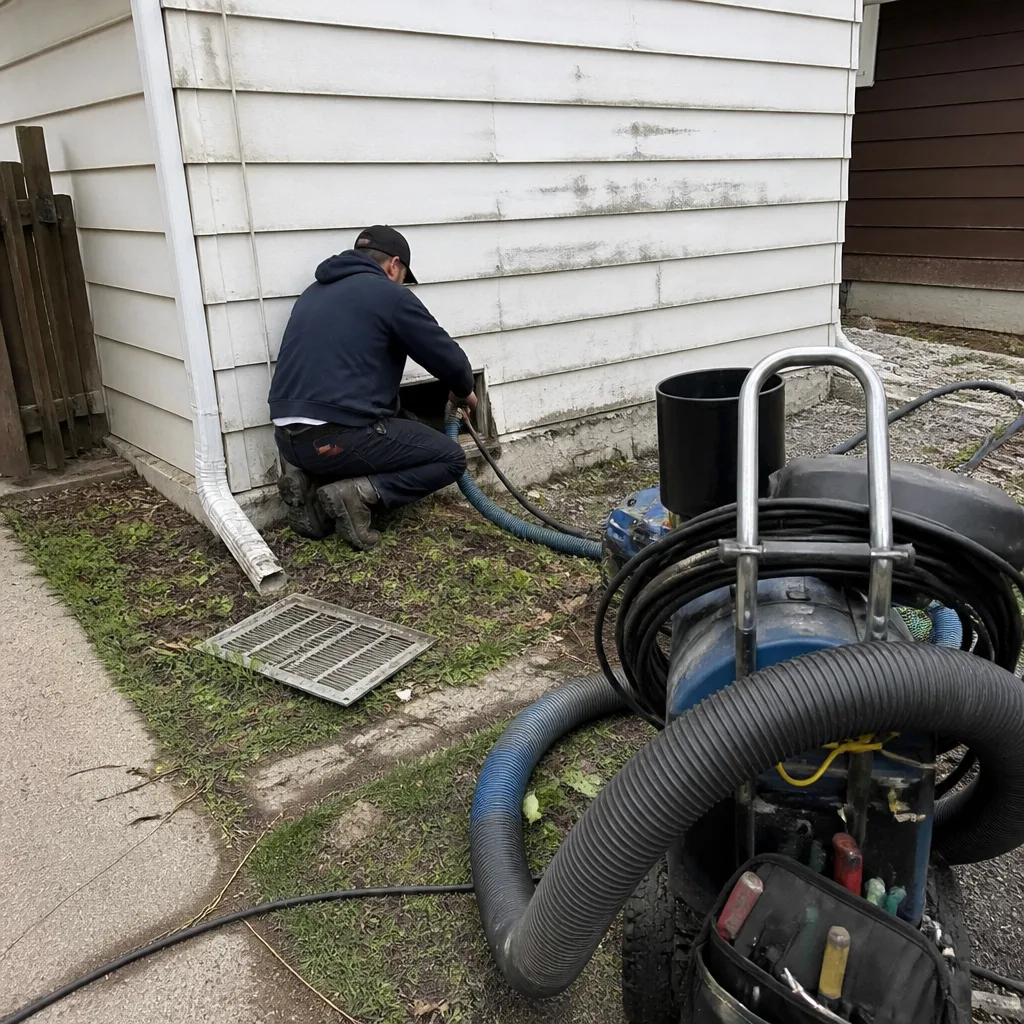 Before
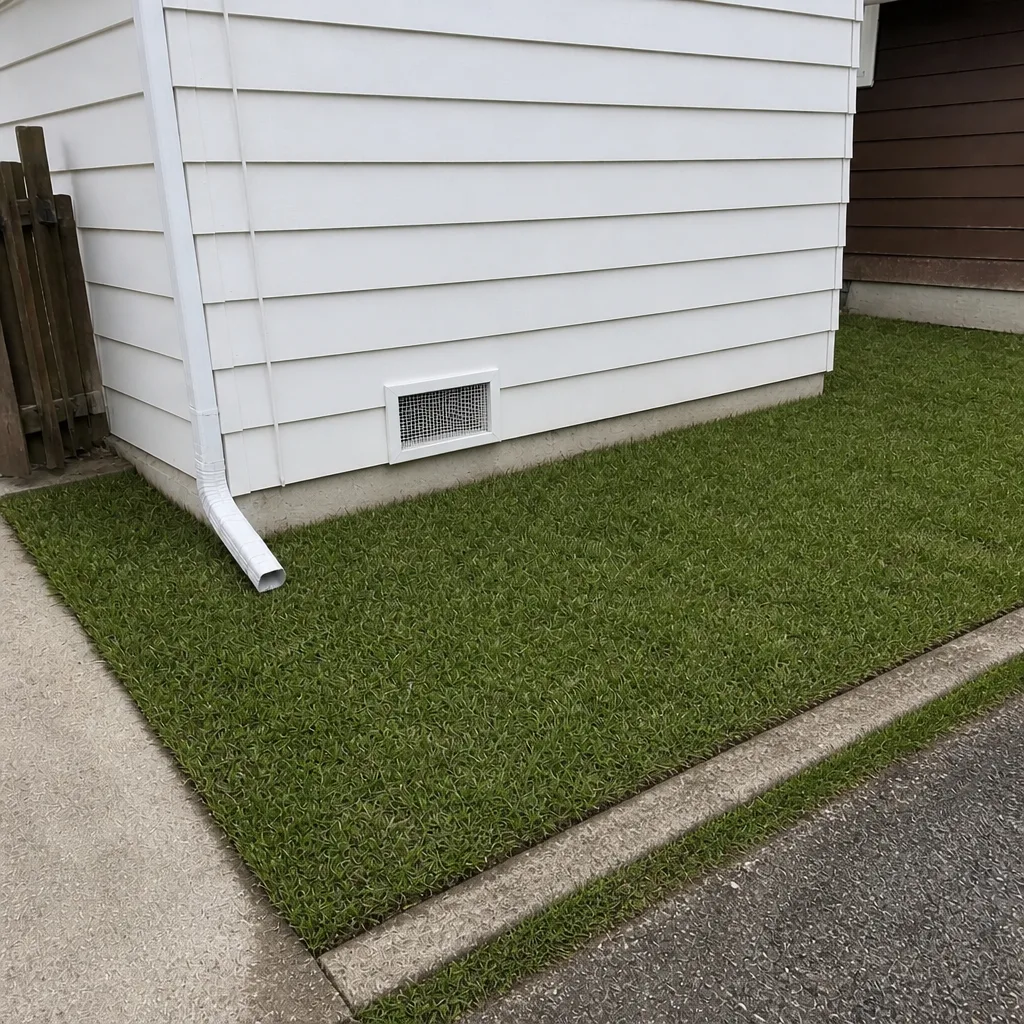 After
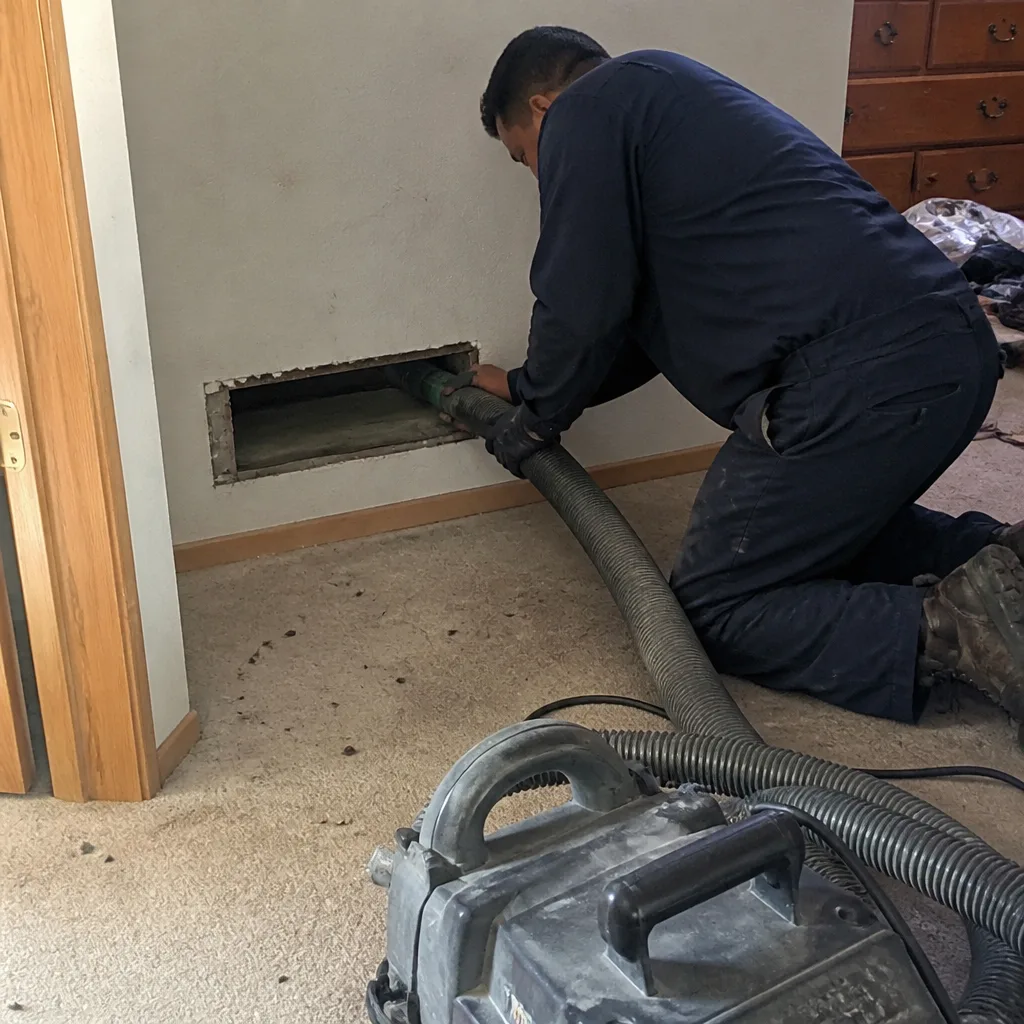 Before
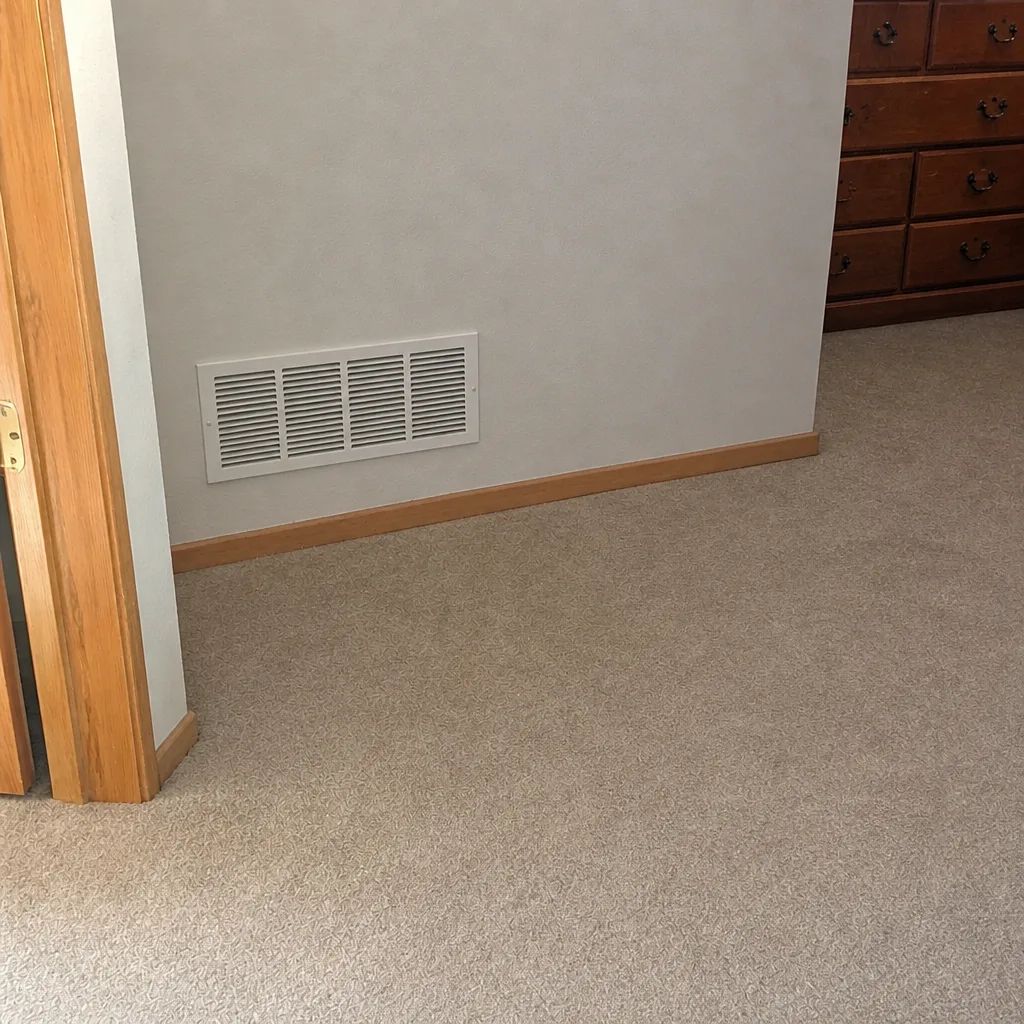 After
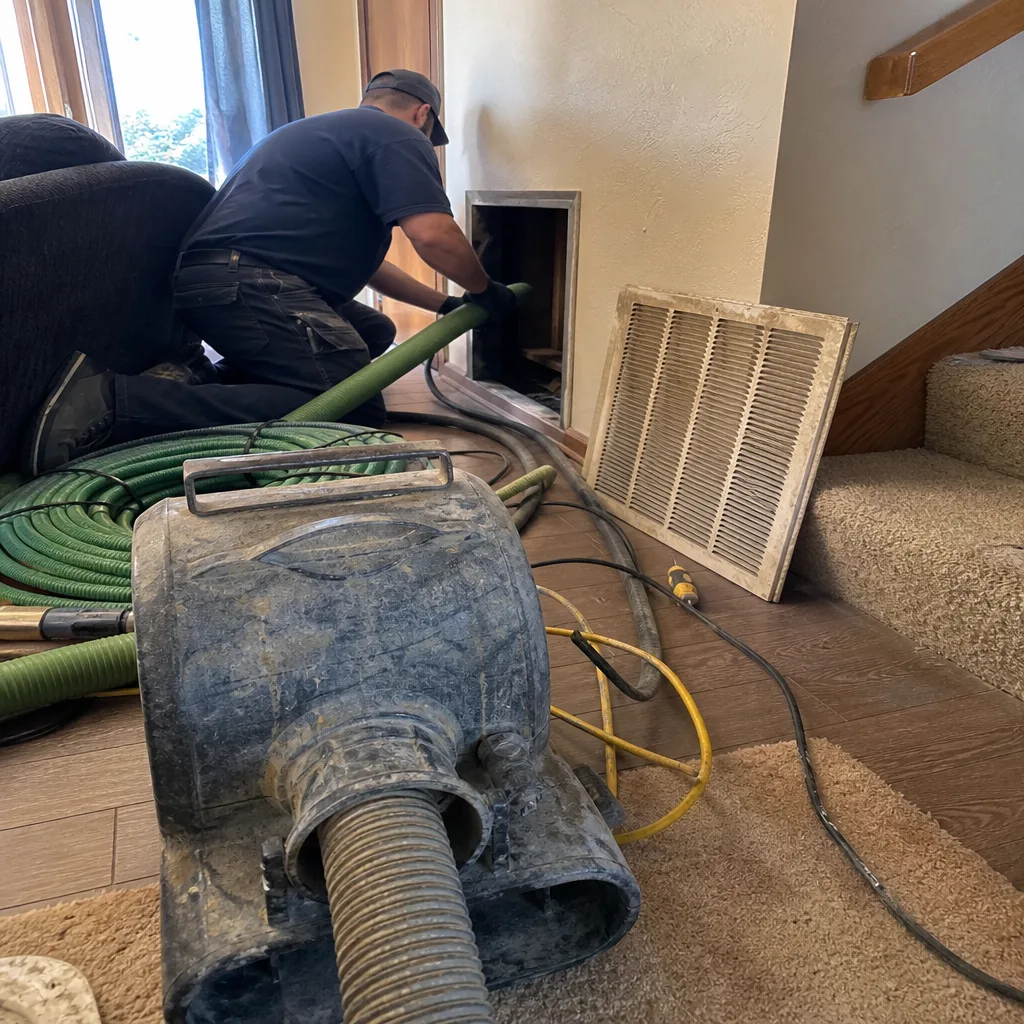 Before
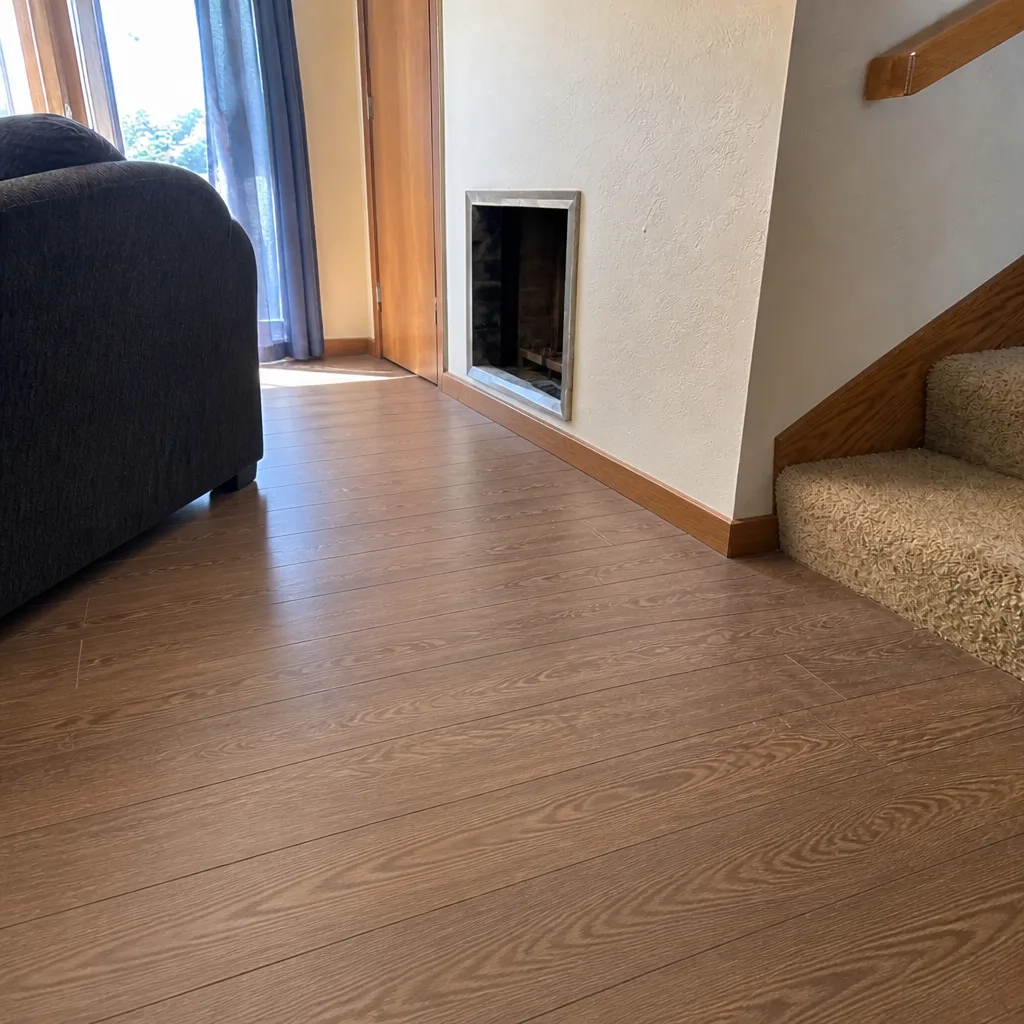 After
When to Call a Professional
Not every duct issue requires a professional visit, but the situations in this guide all do. Call for an assessment if your home has been in a fire or smoke event, if water has entered the duct system or a water event has occurred on the same floor as the air handler, if you’ve just finished a renovation that wasn’t sealed properly, if you’ve noticed a persistent smoke or musty odor in the duct system, if you’re preparing a claim for a covered event, or if your system is producing weak airflow and you haven’t had it inspected recently.
Each of these has a specific protocol that differs from routine cleaning, and improvising a solution after the fact costs more time and money than getting the right assessment at the outset. Arvada Air Duct Cleaning Co offers free estimates in Arvada – call (833) 482-6448. We answer 24/7. Fast dispatch from 7am to 7pm, Sunday through Friday.
Frequently Asked Questions
As soon as the outdoor air quality has returned to normal and you can safely have technicians in the home, typically within the first week. Waiting doesn’t improve the outcome, and for severe smoke infiltration the volatile compounds continue to off-gas into the duct liner over time. Get an assessment on the calendar early so you know whether your system needs standard cleaning or encapsulation. Call (833) 482-6448 for a free estimate – we answer 24/7. Fast dispatch from 7am to 7pm, Sunday through Friday.
Sometimes cleaning saves the system, sometimes it doesn’t, and the determining factor is timing. If you get an assessment within the first 48 hours after water reaches the duct system, there’s a good chance the duct can be dried, cleaned and sanitized before mold colonizes. After 72 hours, insulated flex duct is usually too contaminated and needs replacement. Call for an assessment as early as possible.
Look at the blower wheel first. If the wheel is coated with fine gray dust, the same contamination is present throughout the ductwork. You’ll also see dust accumulating on the register grilles even after you’ve cleaned them. A professional assessment confirms it and a full-system cleaning addresses both the ducts and the blower. Our technicians have up to 10 years of experience with exactly this kind of contamination in Arvada.
Coverage varies by policy, and many policies do cover duct cleaning after a covered fire or smoke event, but the documentation you provide matters. Photograph every register and the air handler before any work begins, keep a contractor report that describes what was contaminated and what was cleaned, and save all estimates and invoices separately. If you’re not sure about your policy, call your insurer directly before scheduling the work.
It means turning the system off if it draws fresh air from outside, running it on recirculate with a high-MERV filter if you have one, and keeping windows closed until outdoor air quality recovers. The goal is to stop pulling contaminants into the system during the event and let a recirculating filter do the work of keeping indoor air clean. It’s the simplest step most homeowners skip, and it protects the duct system from taking on the heaviest particulate load.
For most Arvada homes, every three to five years is a reasonable baseline, but it depends on your household. Pet owners, allergy sufferers, families with young children, and homeowners in older housing stock where the ductwork predates modern sealing benefit from more frequent service. If you’ve just moved into a home or finished a renovation, schedule a cleaning regardless of the calendar. Call (833) 482-6448 for a free estimate – the written estimate sets the final price.
The Bottom Line
Duct emergencies aren’t unpredictable. They’re the predictable result of a few specific scenarios – wildfire smoke infiltration, moisture events, and construction contamination – that most homeowners have no plan for. This guide is the plan. Know your system’s configuration, know the specific protocols (system off during smoke events, immediate assessment after water reaches the ductwork, register sealing before renovation), document everything, and keep a professional contact ready. Arvada’s proximity to wildfire corridors and its exposure to Front Range wind events make this preparation worth the effort. Arvada Air Duct Cleaning Co handles the full system from the duct opening to the air handler, with professional-grade Rotobrush and Nikro equipment, Abatement Technologies containment, and Guardsman sanitizing as the final step. Call (833) 482-6448 for a free estimate. We answer 24/7. Fast dispatch from 7am to 7pm, Sunday through Friday. Every price is set per job by the written estimate, no surprises once the work starts.
Written by the team at Arvada Air Duct Cleaning Co.