
Last updated November 23, 2026
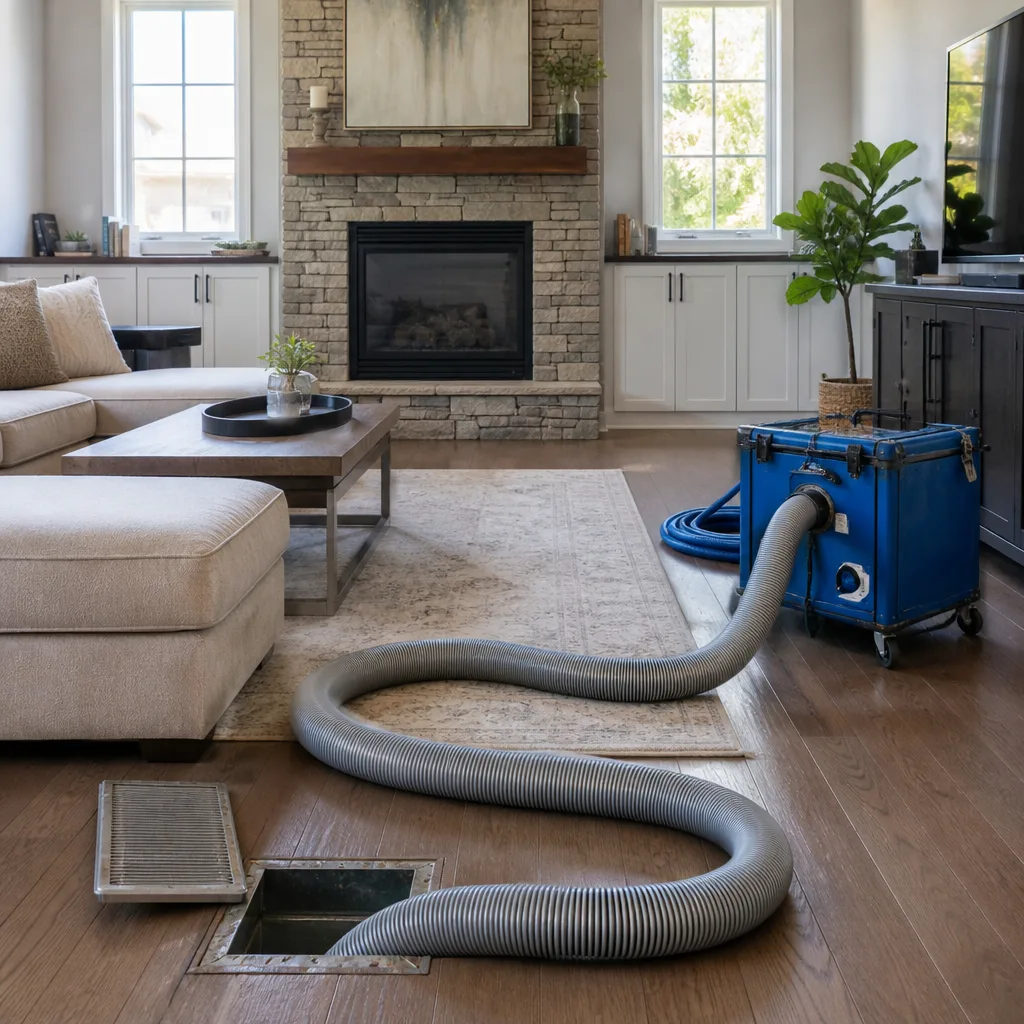 Whole-home duct cleaning
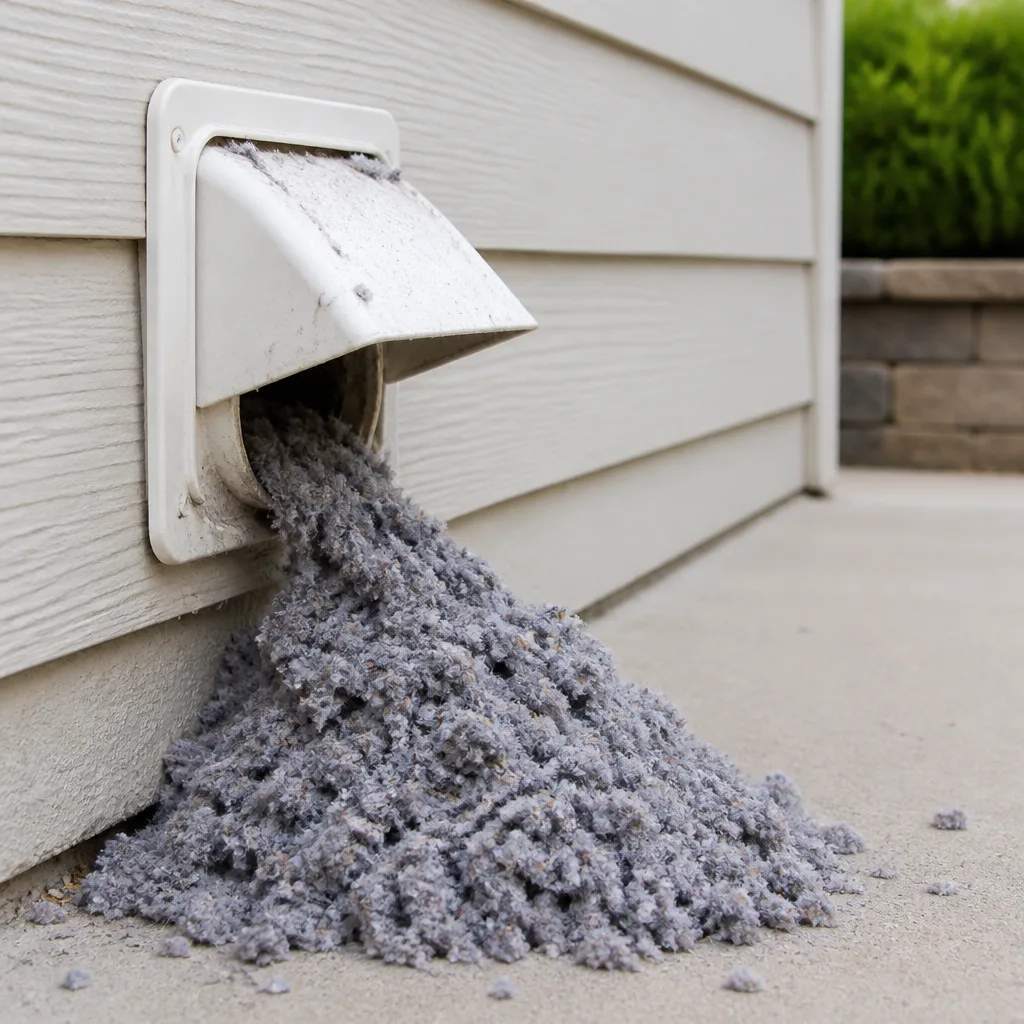 Dryer vent cleaning
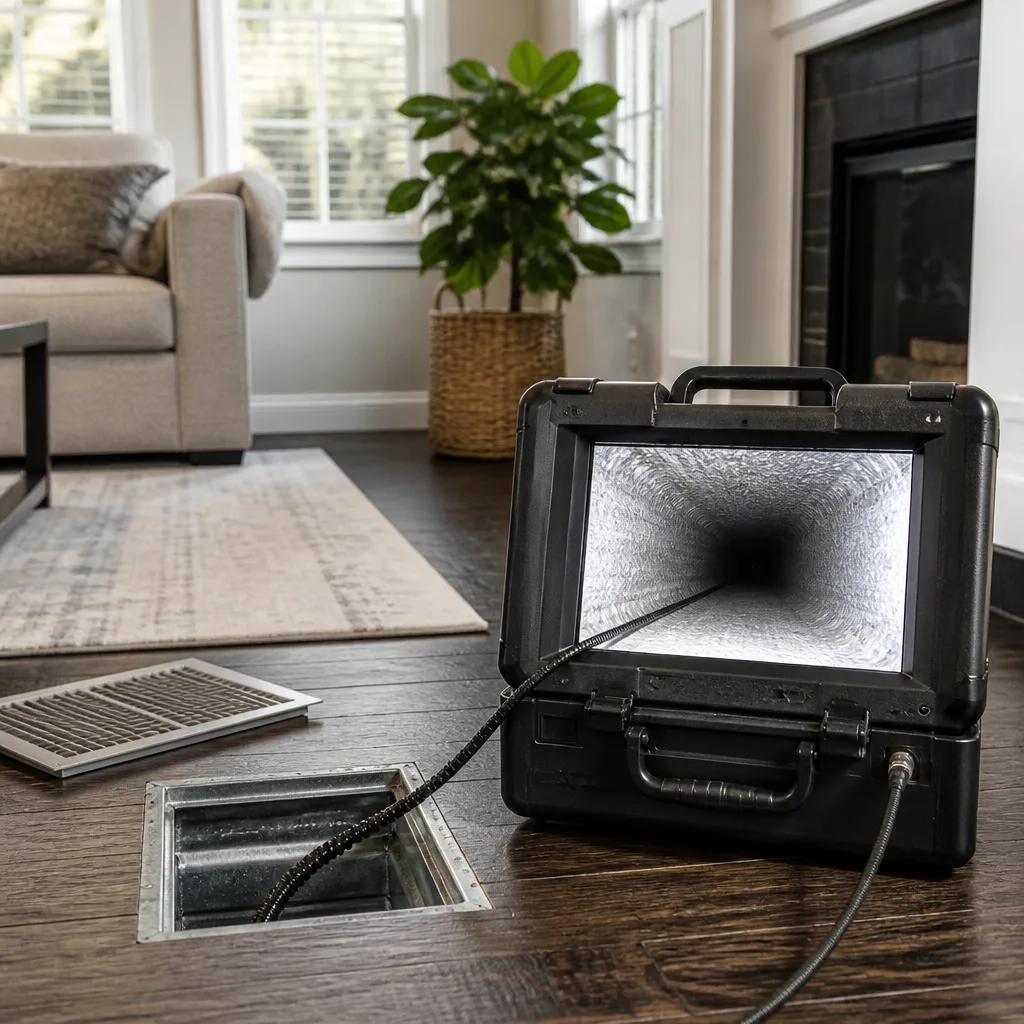 Camera inspection
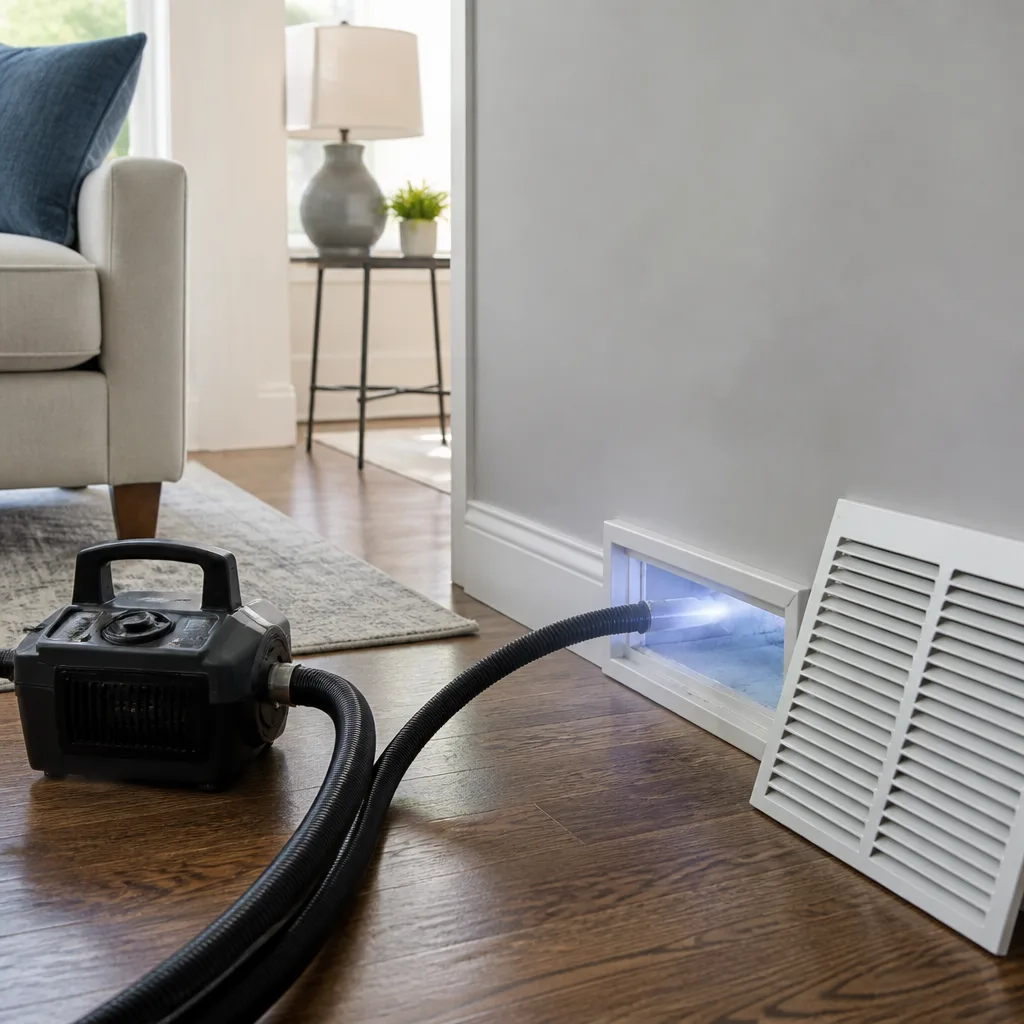 Sanitizing & deodorizing
Whole-system duct and dryer vent check with before-and-after photos - you see exactly what came out of your vents
That "$99 whole-house special" is a bait ad - the real number appears once they are in your hallway, or the "clean" is a shop-vac at the register. We photograph the inside of your ducts before and after instead.
Air Duct Cleaning Cost Breakdown: The Arvada Homeowner’s Reference for 2026
The $299 “whole-house” quote and the $850 quote can describe the exact same job title with completely different outcomes. That gap confuses a lot of homeowners, and it’s understandable. Most pricing articles tell you to get three bids and pick the middle one, which is advice that ignores the only two variables that actually matter: what equipment shows up and what the scope of work covers. Neither number is automatically fair or unfair until you know what it buys.
This guide translates each line item in an Arvada duct cleaning quote into the real labor and machinery behind it. You’ll learn how the three main pricing models create different incentives, what professional-grade equipment actually costs to run, which add-ons are worth paying for, and how to compare two bids line by line instead of by total. By the end, you’ll be able to read a proposal the way a technician does.
Quick Answer
Air duct cleaning in Arvada typically runs $350 to $600 for a standard home with a straightforward duct layout, with full-system jobs that include sanitizing, dryer vent cleaning, and duct sealing landing in the $700 to $1,200 range. Quotes under $200 usually mean a single-pass vacuum of the accessible vents rather than a full mechanical cleaning from the duct opening to the air handler. The written estimate you receive should itemize every component so the final invoice matches it exactly.
Styles & brands we work with
- Whole-home duct cleaning
- Dryer vent cleaning
- Camera inspection
- Sanitizing & deodorizing
Table of Contents
- Why Two Arvada Quotes for the Same Job Can Differ by Hundreds of Dollars
- The Three Pricing Models and What Each One Rewards
- What Professional Equipment Actually Costs Per Job
- Typical Line-Item Costs for Arvada Homes in 2026
- Add-On Services Decoded: Dryer Vents, Sanitizing, Sealing, and Coil Cleaning
- Arvada Factors That Legitimately Move the Price
- How to Compare Two Quotes on Technical Merit
- What a Proper Full-System Cleaning Involves
Why Two Arvada Quotes for the Same Job Can Differ by Hundreds of Dollars
When a homeowner in Arvada calls three companies about air duct cleaning, the proposals often describe identical services in identical language. “Whole-house duct cleaning.” “All vents and returns.” “Sanitizing included.” The words match. The work behind them frequently doesn’t.
Part of that is equipment. A portable shop vacuum rated at a few hundred cubic feet per minute and a truck-mounted negative-pressure unit pulling 4,000 CFM or more both qualify as “duct cleaning equipment” under a loose reading. But they remove wildly different amounts of debris, and one of them can actually push loosened dust back into living space if it isn’t paired with proper containment. The other holds the whole system under negative pressure so debris travels out, not sideways into your kitchen.
The rest is scope. Two bids can both say “all vents” and mean completely different things:
- Vent openings only: the visible registers get vacuumed. The trunk lines, branch runs, plenum, and air handler coil stay untouched, which is where most accumulated debris actually sits.
- Full mechanical cleaning: every run from the duct opening to the air handler is agitated with a rotary brush or air whip, held under negative pressure, and verified before the system is reassembled.
- Full system plus repair: everything above, plus sealing leaky joints and cleaning the components that share the airstream, including the blower and coil.
Those three scopes carry genuinely different labor hours and equipment costs. In our experience around Arvada, a quote that undersells scope is far more common than one that overprices equipment. When you see a total that seems low, the first question to ask isn’t “why so cheap?” It’s “what’s been left out?”
The Three Pricing Models and What Each One Rewards
The pricing structure a company uses tells you what it’s incentivized to do. That’s not a marketing point; it’s basic economics, and it’s the single most useful thing to understand before you call anyone in Arvada.
Per-vent pricing
Each register or return carries its own charge, so a home with more outlets costs more. That sounds fair on the surface, and sometimes it is. The risk is that per-vent pricing rewards speed over thoroughness. The number of vents is fixed; the time spent on each one is not. A crew paid per vent has every reason to spend four minutes on a run rather than twelve, and the trunk line connecting those vents may not be included at all unless the contract says so specifically. If a per-vent quote reaches your table, ask what happens to the trunk lines, the plenum, and the air handler, and get those answers in writing.
Flat-rate, per-system pricing
One price for the whole system, agreed before anyone touches a vacuum. This model rewards doing the job right the first time, because the price doesn’t change if a run turns out to be longer or dirtier than expected. It’s the structure we use at Arvada Air Duct Cleaning Co: one flat price per system, no per-vent charges, and a written scope that lists exactly what’s included. The tradeoff honest companies accept is that flat-rate pricing requires a real inspection before quoting, since nobody can quote the whole system without seeing it.
Square-footage pricing
Price scales with the size of the home. A 1,400 square foot ranch in Arvada pays less than a 3,000 square foot two-story, which reflects the larger duct network and longer runs. The weakness is that square footage says nothing about the condition of the system or how accessible the runs are. A small home with a crawl space full of disconnected flex duct can be harder than a large home with clean, accessible trunk lines. Square footage is a starting point, not a scope.
Whichever model you encounter, the question to hold in your head is simple: does this structure pay the contractor more for doing better work, or for doing faster work? A flat rate for a defined, itemized scope is the answer that protects you.
What Professional Equipment Actually Costs Per Job
Equipment is the least discussed and most consequential line in any duct cleaning price. It’s also the reason two quotes can differ by several hundred dollars without either company being dishonest.
A truck-mounted negative-pressure system pulling 4,000 CFM or more runs on a substantial power plant, requires fuel and maintenance, and needs a hose run from the truck to the home’s main trunk connection. Setup alone takes time. That machinery keeps the entire duct system under negative pressure while mechanical agitation knocks debris loose, so what comes off the duct walls goes out to the collection unit instead of settling back into the system. The per-job operating cost is real, and it shows up in the quote.
A portable unit requires no truck, no fuel, and no hose run. Setup is a few minutes, and the equipment cost per job is a fraction. What it doesn’t do is hold a large duct network under true negative pressure. On a simple system with short runs, a quality portable setup can do a reasonable job. On a 2,800 square foot Arvada home with multiple trunk lines and long branch runs, it generally can’t, and a thorough crew working with limited suction either has to spend far more time or deliver less than the customer expects.
Equipment brand matters for the same reason. Professional-grade machinery from Rotobrush and Nikro is built for continuous commercial use, with rotary agitation and filtration that hold up under repeated jobs. Abatement Technologies equipment handles containment and air filtration, keeping debris and fine particulate out of the living space during the work. That class of tooling is what the higher quotes are paying for, and it’s a fair thing to ask about directly: what machine will be used, what CFM does it develop, and how is containment handled?
There’s a related question about HVAC cleaning that often comes up here. The blower, coil, and drain pan share the same airstream as the ducts, so cleaning ducts without touching the air handler leaves the biggest debris source in place. A company that understands filtration systems, the way technicians trained on Honeywell and Aprilaire products do, can tell you whether your system needs that component cleaned and what it adds to the invoice.
Typical Line-Item Costs for Arvada Homes in 2026
The ranges below are typical estimates for Arvada residential work in 2026, not fixed prices. Every home is different, and the written estimate you receive is what sets the final cost.
| Service | Typical Estimated Range | What It Covers |
|---|---|---|
| Standard full-system duct cleaning | $350 – $600 | Mechanical agitation and negative-pressure extraction from the duct opening to the air handler, all supply and return runs, filter grilles |
| Large or complex duct system | $550 – $850 | Homes over 2,500 sq ft, multiple trunk lines, zone systems, or runs through finished basement ceilings |
| Dryer vent cleaning | $125 – $225 | Full run from the dryer connection to the exterior termination, lint removal, airflow verification |
| Air quality sanitizing | $150 – $350 | Application of an antimicrobial treatment to the interior duct surfaces after cleaning |
| Duct repair and sealing | $250 – $700 | Reconnecting separated joints, sealing leaks at the plenum and trunk transitions, addressing disconnected flex runs |
| Coil and blower cleaning | $150 – $325 | Cleaning the evaporator coil, blower wheel, and drain pan, which sit in the airstream |
| Full-system package | $700 – $1,200 | Duct cleaning plus sanitizing, dryer vent, and sealing, quoted as one flat price for the full scope |
Read that table with one thing in mind: these are whole-system prices, not teaser rates that climb once a technician is in the door. A quote that starts low and grows as each component is “discovered” on site isn’t a discount, it’s a different pricing model wearing a coupon. The number you should be able to name before the work begins is the number on the invoice when it ends.
Add-On Services Decoded: Dryer Vents, Sanitizing, Sealing, and Coil Cleaning
Add-ons aren’t automatically upsells. Some protect real value, and some address a genuine hazard. Knowing which is which lets you say yes or no with confidence.
Dryer vent cleaning: worth it, every time
The National Fire Protection Association flags dryer vent maintenance as critical home maintenance, and for good reason: lint accumulation in the vent run is a documented fire hazard, and it also forces your dryer to work harder to move air. On an Arvada home, the exterior termination may run through an exterior wall with a short vent path or through an interior chase to a wall or roof cap, and accesses vary widely. That’s why this belongs in the same visit as duct cleaning rather than a separate appointment. If you’re calling for dryer vent cleaning on top of duct work, ask whether the vent run will be checked for crushed flex pipe or disconnected sections, since the cleaning is only meaningful if the path is intact.
Air quality sanitizing: the step that protects the work
Sanitizing applies an antimicrobial treatment to the duct interior after the debris is gone. It addresses bacteria, mold spores, and odors, and the reason to consider it is that cleaning alone removes the material but doesn’t treat what’s left on the surface. Guardsman products are formulated for this application, and it’s a step most cleaning-only companies skip. For households with allergy sufferers or pets, or anyone who just finished a renovation and wants the system to start clean, this is a reasonable add. For a home with no odor issue and no sensitivity concerns, it’s optional.
Duct repair and sealing: the efficiency question
Cleaning a duct system that leaks is like washing a bucket with a hole in it. Leaks at the plenum, trunk joints, and boot transitions dump conditioned air into attics, crawl spaces, and wall cavities. Sealing those leaks at the same time is far cheaper than scheduling it separately, and it’s the difference between a system that’s clean and a system that’s clean and efficient. If a technician discovers a disconnected flex run or a torn boot during cleaning, fixing it isn’t an upsell. It’s completion.
Coil and blower cleaning: the component most often ignored
The evaporator coil and blower wheel sit directly in the airstream. A dirty coil narrows airflow, and a dirty blower wheel loses balance and performance. Cleaning the air handler component isn’t always necessary, but if the coil is visibly fouled, cleaning the ducts without it leaves the biggest source of debris in place.
Arvada Factors That Legitimately Move the Price
Arvada is a big, varied city, and its housing stock runs from mid-century ranches to newer builds on the west side. A few local conditions genuinely affect what a job costs, and a good estimate accounts for them.
Older galvanized duct systems
Older Arvada homes often have original galvanized steel ductwork, with seams riveted and sealed with duct tape that has long since dried and cracked. Galvanized systems take more mechanical agitation to clean than newer flex duct, and they often need seam sealing to close the gaps that develop over decades. Neither of those tasks is optional when it’s needed, and both appear as separate, itemized costs on a good estimate.
Larger homes with complex trunk layouts
A 2,800 square foot two-story with multiple trunk lines, zone dampers, and returns in every bedroom carries far more duct length than a 1,400 square foot ranch. More length means more time under agitation, more entry points, and more verification at the end. That’s why the larger-system range in the cost table is higher, and why square footage is a starting point for the estimate even when the pricing model is flat-rate.
Inaccessible crawl space and attic runs
Plenty of Arvada homes run ducts through narrow crawl spaces or attics with limited clearance, and some runs are effectively inaccessible without removing insulation or opening a ceiling. A technician who can’t reach a run can’t clean it, and an honest estimate will tell you which runs are reachable before the work begins. If a quote claims the whole system was cleaned without anyone going into the crawl space, ask which runs were cleaned. The answer often surprises people.
Recent renovations and moving-day timelines
A home that’s just been renovated has drywall dust, construction dust, and sawdust settled into every run. Cleaning after a renovation is a different job from routine maintenance, with a different scope and a higher debris volume. Homeowners who just moved into an Arvada home often have both conditions in the same visit, and it’s worth mentioning both on the call so the estimate covers what’s actually there.
How to Compare Two Quotes on Technical Merit
Total price is the last thing to compare, not the first. The useful comparison is line by line, and this numbered process makes it straightforward.
- Line up the scope. Put both quotes side by side and check for the same items on each: all supply and return runs, trunk lines and plenum, air handler or coil, dryer vent, sanitizing, sealing. Anything on one and not the other is a scope difference, not a price difference.
- Ask what equipment will be used. Specifically: whether it’s a truck-mounted negative-pressure system or a portable unit, what CFM it develops, and how containment is handled during agitation. The answers on this question alone will explain most of the price gap.
- Check whether the estimate is written and itemized. A phone quote that only says “whole-house, $299” gives you nothing to compare and nothing to hold the company to. A written scope with line items is the working document; the total is just the sum.
- Ask how completion is verified. A proper job is sealed, cleaned, and verified before the crew leaves: registers reseated, access panels closed, and airflow checked. Ask what “verified” means in their process. If the answer is vague, that tells you something.
- Look for exclusions. Some quotes exclude crawl space runs, the plenum, or the air handler by default. Others include them and charge more. Knowing which lines are included keeps you from discovering the difference on the invoice.
- Compare like for like. Only now compare the totals. If both quotes cover the same scope with the same equipment class, the difference is worth understanding. If they don’t, you’re not comparing prices at all; you’re comparing two different services that happen to share a name.
That framework is what makes a $299 quote and an $850 quote readable. One is a vent vacuum, the other is a full-system mechanical cleaning with containment. The tools and the time explain the gap, and knowing which one you’re buying is the whole point of this guide.
What a Proper Full-System Cleaning Involves
Understanding what a complete job looks like helps you evaluate any proposal you receive in Arvada. A full-system cleaning from a company that uses professional-grade equipment follows a consistent sequence:
- Inspection and setup. The technician maps every register, return, trunk line, and the air handler access, then identifies which runs are reachable. Negative-pressure equipment connects to the main trunk, and containment and filtration come into play so debris stays in the collection system rather than the home.
- Mechanical agitation. Each run gets agitated with a rotary brush or air whip to knock debris off the duct walls and into the airstream. This is the part that separates a real cleaning from a vac-and-done.
- Extraction under negative pressure. While the system is held under negative pressure, loosened debris travels out through the collection unit. Large duct networks need equipment that can hold that pressure across the whole system.
- Component cleaning. The blower, coil, and drain pan share the airstream and get cleaned when fouled. Access panels and filter grilles are cleaned and reseated.
- Dryer vent run. The full dryer vent from the dryer connection to the exterior termination is cleared and checked for a crushed or disconnected path.
- Sealing, sanitizing, and verification. Leaks at the plenum, trunk joints, and boots get sealed. Guardsman sanitizing treatment is applied when included in the scope. Then registers are reseated, access panels are closed, and airflow is verified before the crew leaves.
That sequence is what “sealed, cleaned, and verified” means in practice, and it’s what separates a full-system job from a vent-by-vent sweep. If a quote doesn’t describe something along these lines, ask why.
Common Mistakes to Avoid
- Choosing a quote on price alone. The lowest bid usually reflects the smallest scope, not the best deal. Compare the itemized scope before you compare the total.
- Accepting a phone quote without an inspection. A flat price for the whole system requires seeing the system. An estimate given over the phone for an Arvada home you’ve never had inspected is a guess at best.
- Assuming “all vents” means the trunk and plenum. Many quotes stop at the registers. Ask specifically what happens to the trunk lines, the plenum, and the air handler.
- Skipping the dryer vent because it seems unrelated. The NFPA flags dryer vent cleaning as critical maintenance, and a plugged vent is a fire risk and an efficiency loss. Include it in the same visit.
- Not asking which equipment will be used. A portable vacuum and a truck-mounted negative-pressure system at 4,000+ CFM both technically clean ducts. The outcome differs enormously, and you deserve to know which one is showing up.
- Cleaning without addressing leaks. A freshly cleaned system that leaks air through the plenum and trunk joints still wastes energy. Sealing at the same visit is the cheaper, smarter order of operations.
- Not asking whether crawl space and attic runs are actually reachable. If a quote doesn’t mention accessibility in an Arvada home with limited-clearance runs, ask. It’s the difference between a full cleaning and a partial one.
See the difference
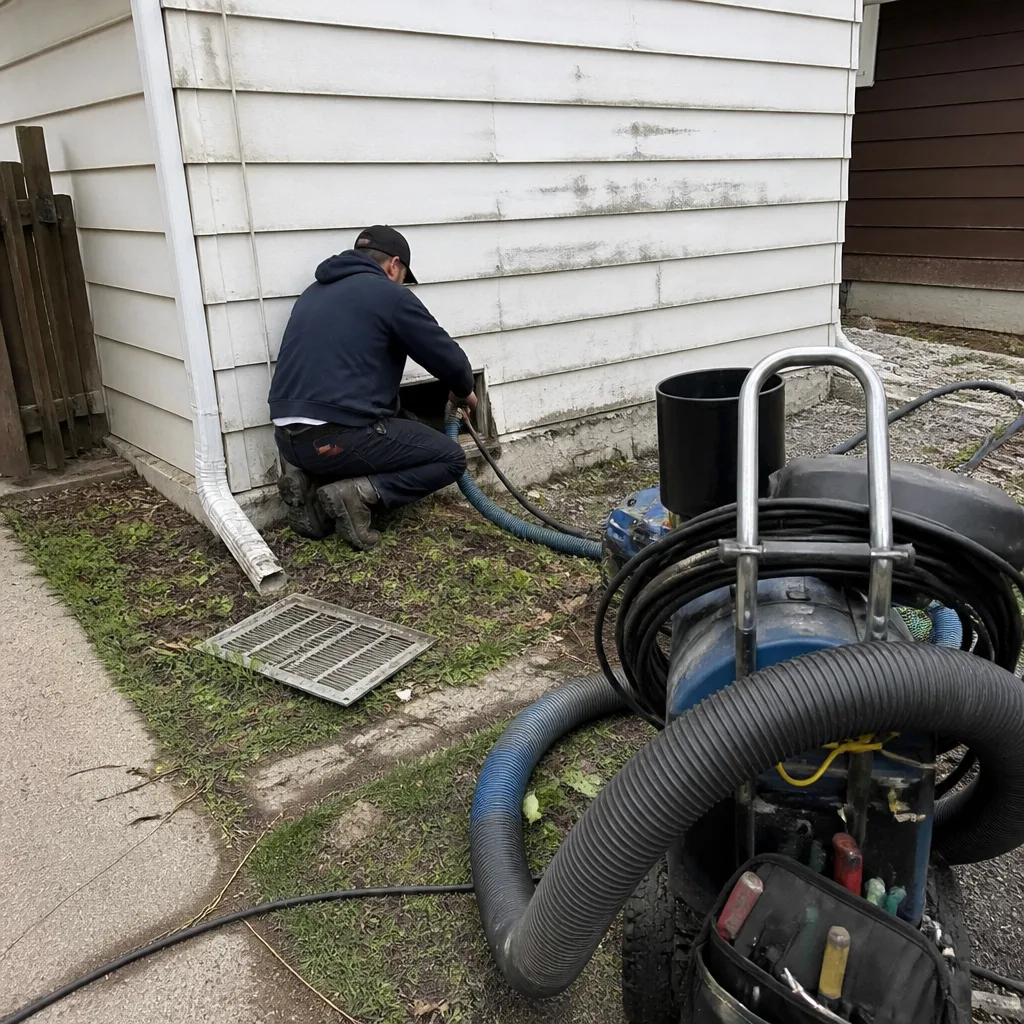 Before
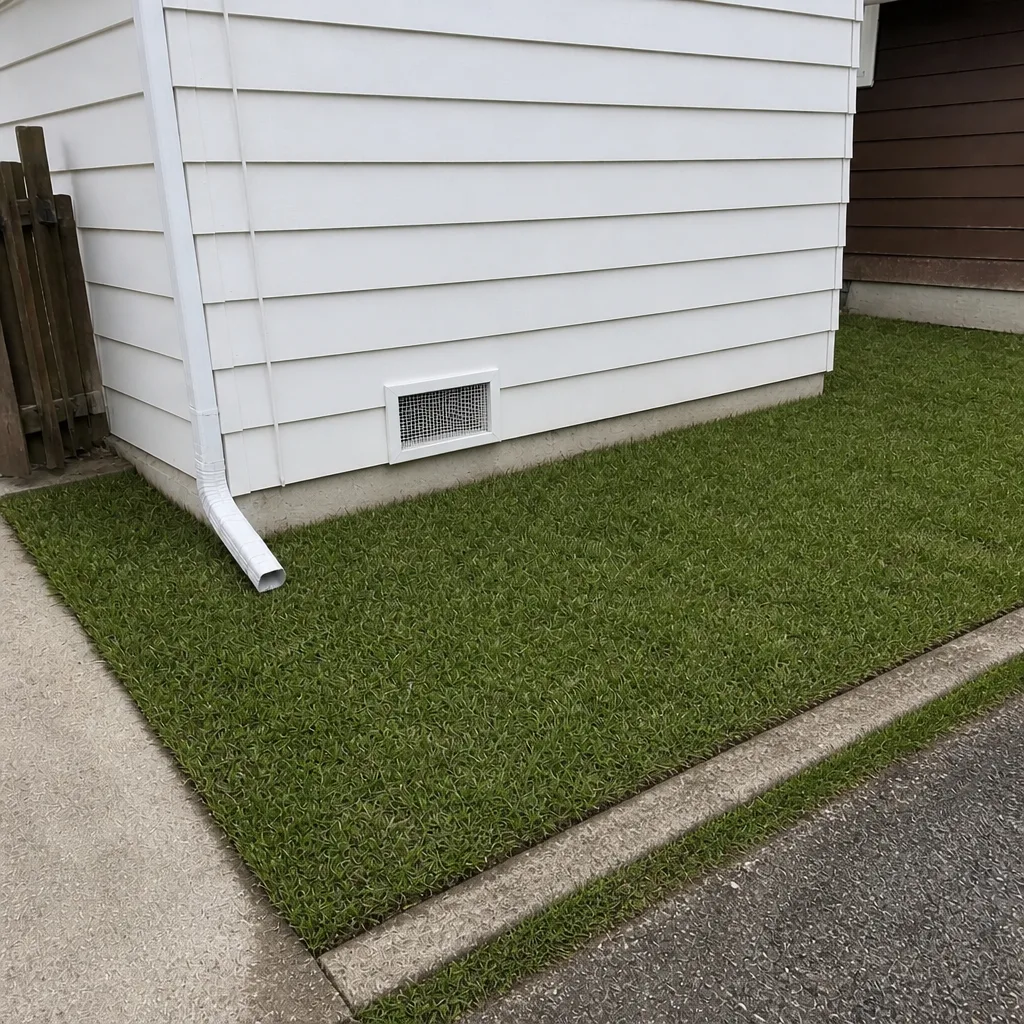 After
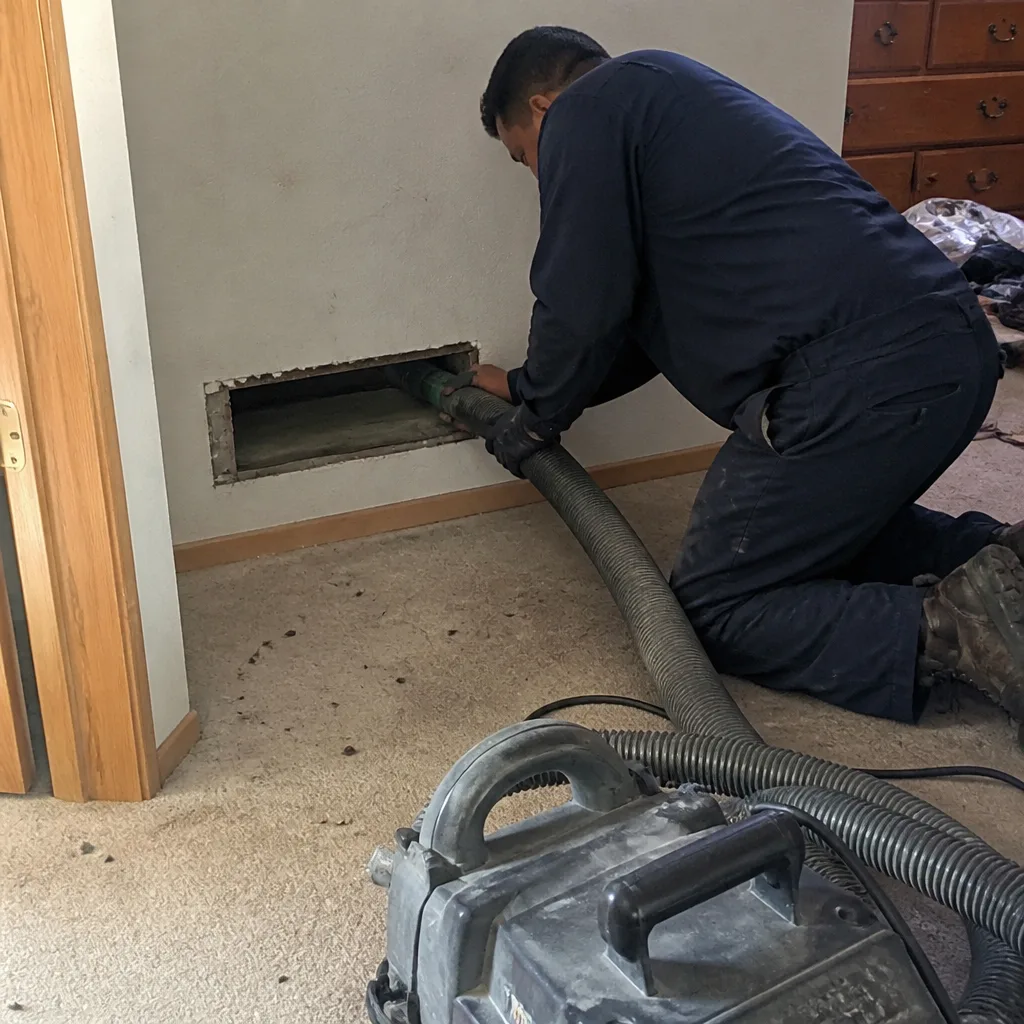 Before
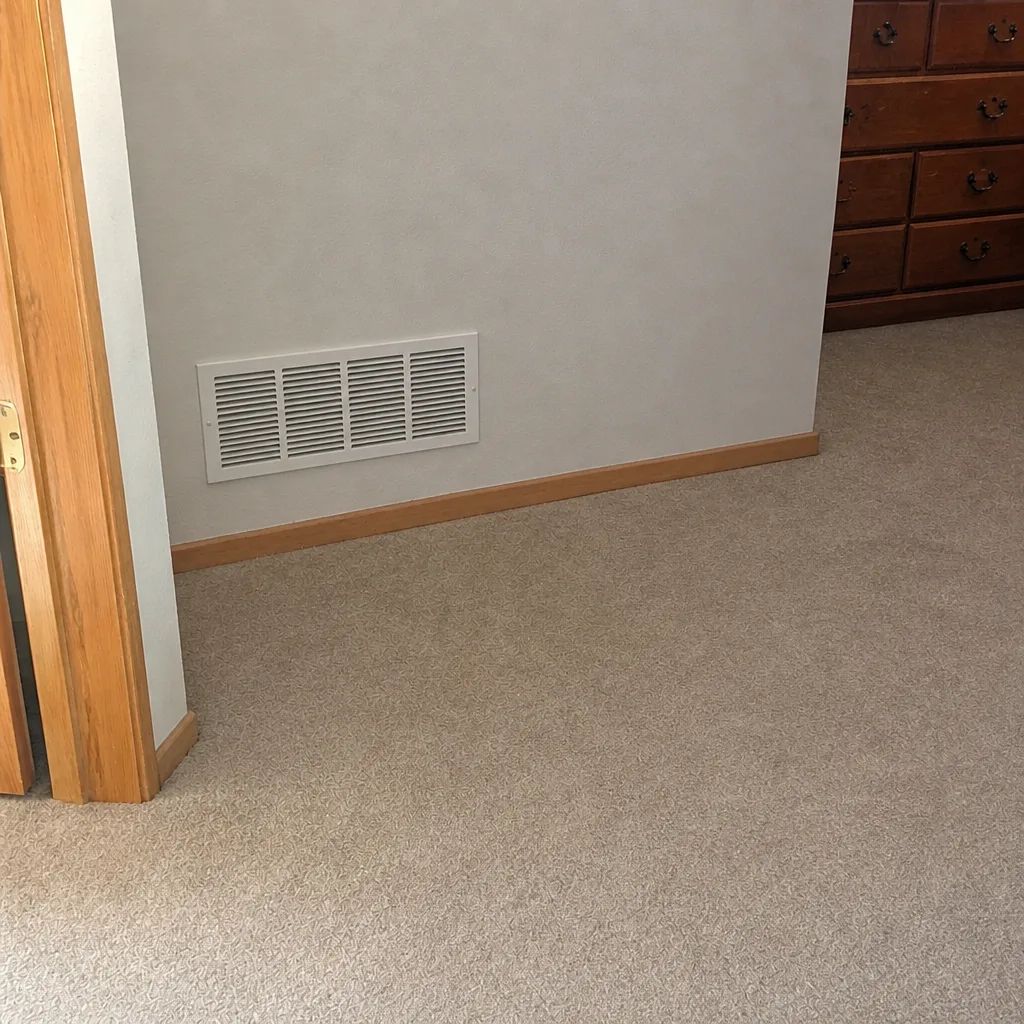 After
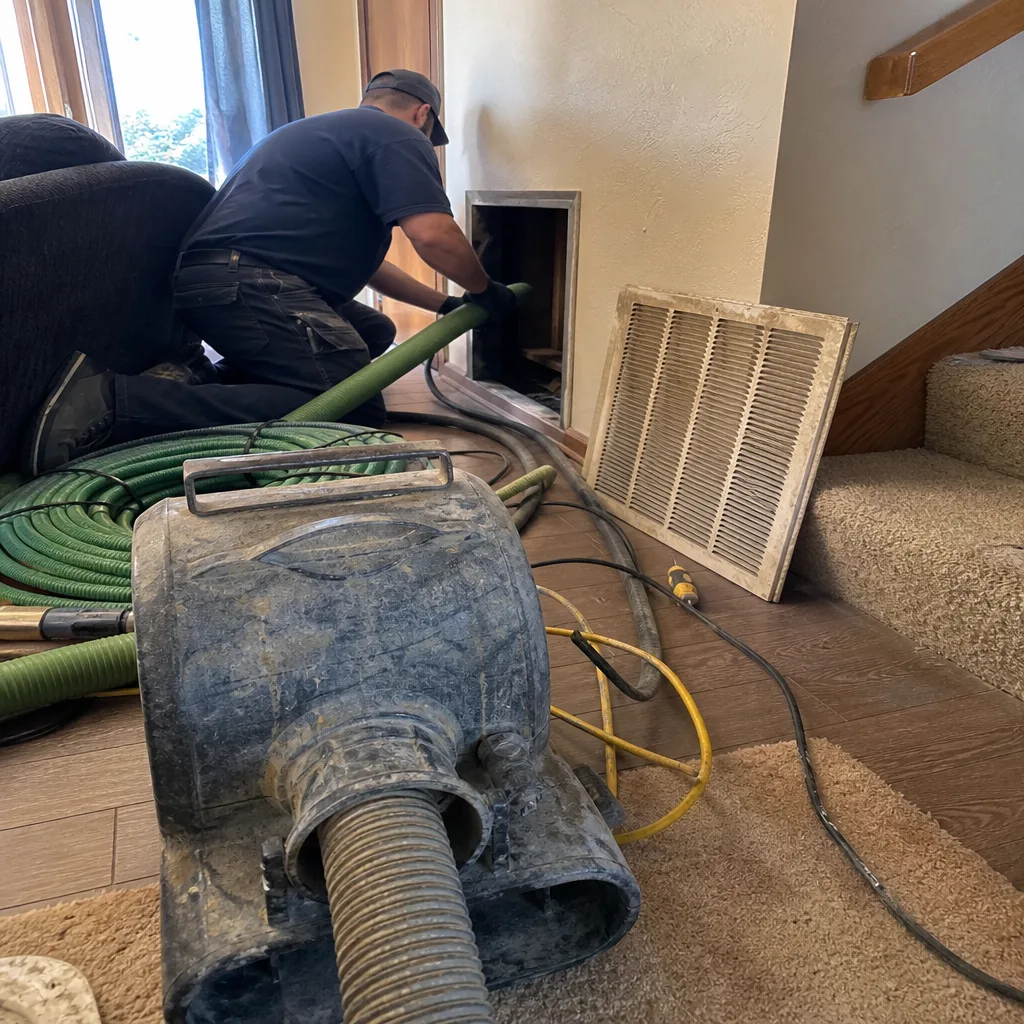 Before
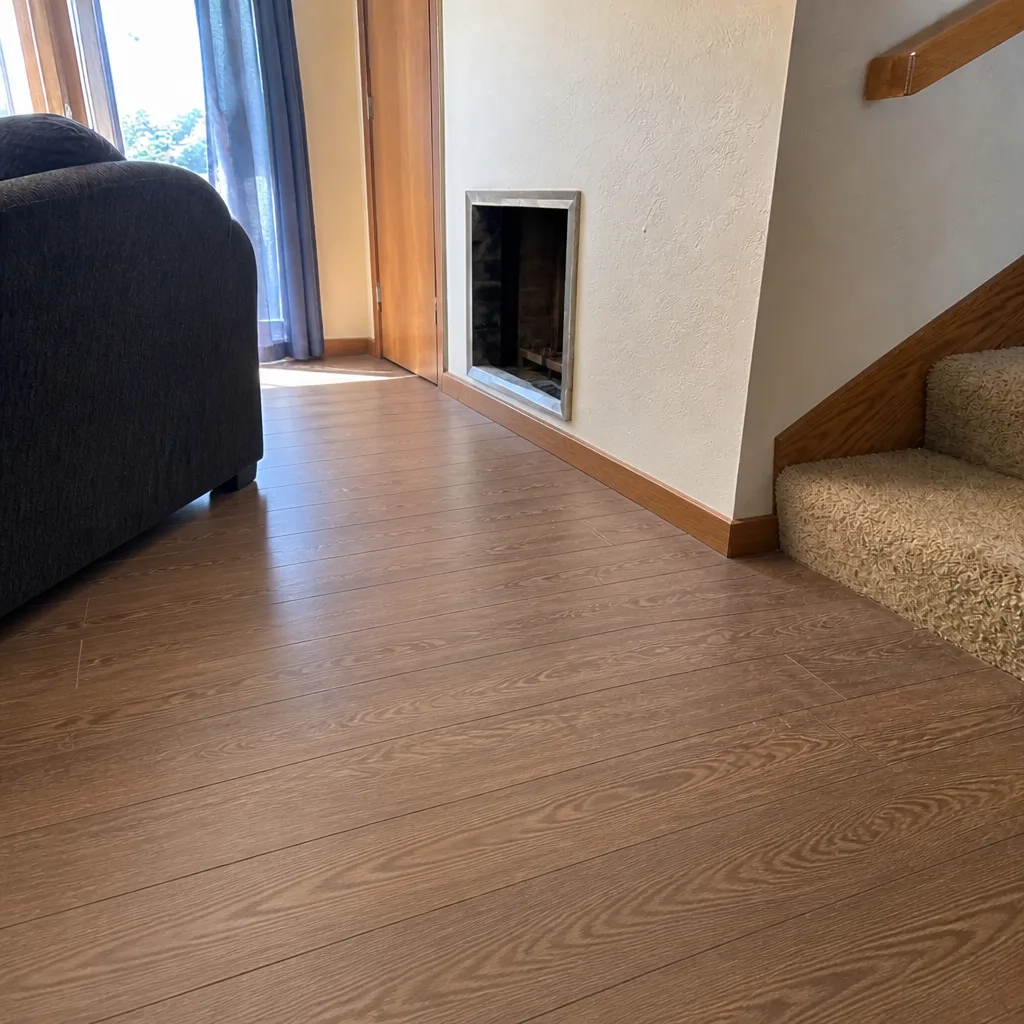 After
When to Call a Professional
Not every home needs its ducts cleaned, and a good company will tell you so rather than sell you a service you don’t need. Call a professional if you’ve recently completed a renovation and drywall dust is circulating, if you’ve just moved into a home and don’t know the system’s history, if you notice visible debris around registers or a musty odor when the system runs, if anyone in the house has allergies or asthma, if the dryer takes longer to dry clothes than it used to, or if your system has visible disconnected or crushed duct runs. A dusty, leaky system in an Arvada home is worth inspecting at minimum.
Arvada Air Duct Cleaning Co offers free estimates in Arvada. Call (833) 482-6448. We answer 24/7. Fast dispatch from 7am to 7pm, Sunday through Friday.
Frequently Asked Questions
Most Arvada homes land between $350 and $600 for a standard full-system cleaning, with larger or more complex systems running $550 to $850 and full-system packages including sanitizing, dryer vent, and sealing reaching $700 to $1,200. The ranges reflect the scope and equipment involved, and the written estimate you receive sets the final price. Call (833) 482-6448 for an exact quote. Estimates are free.
Low quotes usually reflect a smaller scope or lighter equipment, not a better deal. A $99 or $299 offer often covers vent openings only, using a portable unit rather than a truck-mounted negative-pressure system pulling 4,000+ CFM. The difference in equipment cost per job and the difference in labor hours explain most of the price gap. Ask what the quote includes before you compare totals, and call (833) 482-6448 if you want to talk through your own situation.
Ask for before-and-after photos of your own ducts, and confirm that the job is sealed, cleaned, and verified before the crew leaves. That means registers reseated, access panels closed, and airflow checked. A company that can show you photos of your own system and explain what was cleaned, including which crawl space and attic runs were reached, is giving you something to hold them to. Call (833) 482-6448 to schedule an estimate and ask about that verification step.
Most homes don’t need annual duct cleaning. A reasonable interval is every few years for a typical household, sooner after a renovation or a move into a home with unknown history, and sooner for households with pets, allergy sufferers, or heavy dust load. A system that’s visibly dirty at the registers or smells musty when it runs is worth an inspection regardless of the last cleaning date. Call (833) 482-6448 and we’ll talk through what makes sense for your home.
Arvada’s climate runs hot summers and cold winters, which means the HVAC system runs a lot of hours and moves a lot of air through the same duct network year-round. That repeated cycling pushes air through seams and joints that can leak over time, so sealing and cleaning together matter more than in a mild climate. Those conditions are worth mentioning when you request an estimate. Call (833) 482-6448 for a free inspection.
Yes. Dryer vent cleaning is part of the core service, not an upsell afterthought, and it’s worth doing in the same visit as duct cleaning because both address the same air quality and safety concerns in one appointment. The vent path gets checked for crushed or disconnected sections, since cleaning only helps if the path is intact. Call (833) 482-6448 and mention both services when you book.
The Bottom Line
Duct cleaning prices in Arvada range from under $200 teaser offers to $1,200+ full-system jobs, and the honest difference between them is scope and equipment, not profit margin. A flat price for a clearly itemized, full-system scope gives you a number that won’t move once the technician is in the door. Ask what equipment will be used, ask which runs are included, ask how the job is verified, and compare quotes line by line rather than by total. Whether your system needs a straightforward cleaning or a full-system job with sealing and sanitizing, the right estimate will explain what each line buys. That’s a fair thing to expect from any company you call.
Arvada Air Duct Cleaning Co brings professional-grade equipment from Rotobrush, Nikro, and Abatement Technologies to residential work in Arvada, with duct repair and sealing handled alongside cleaning and air quality sanitizing with Guardsman products. Call (833) 482-6448 for a free estimate. We answer 24/7. Fast dispatch from 7am to 7pm, Sunday through Friday. Learn more about Arvada Air Duct Cleaning Co and the work we do.
Written by the team at Arvada Air Duct Cleaning Co.