
Last updated November 23, 2026
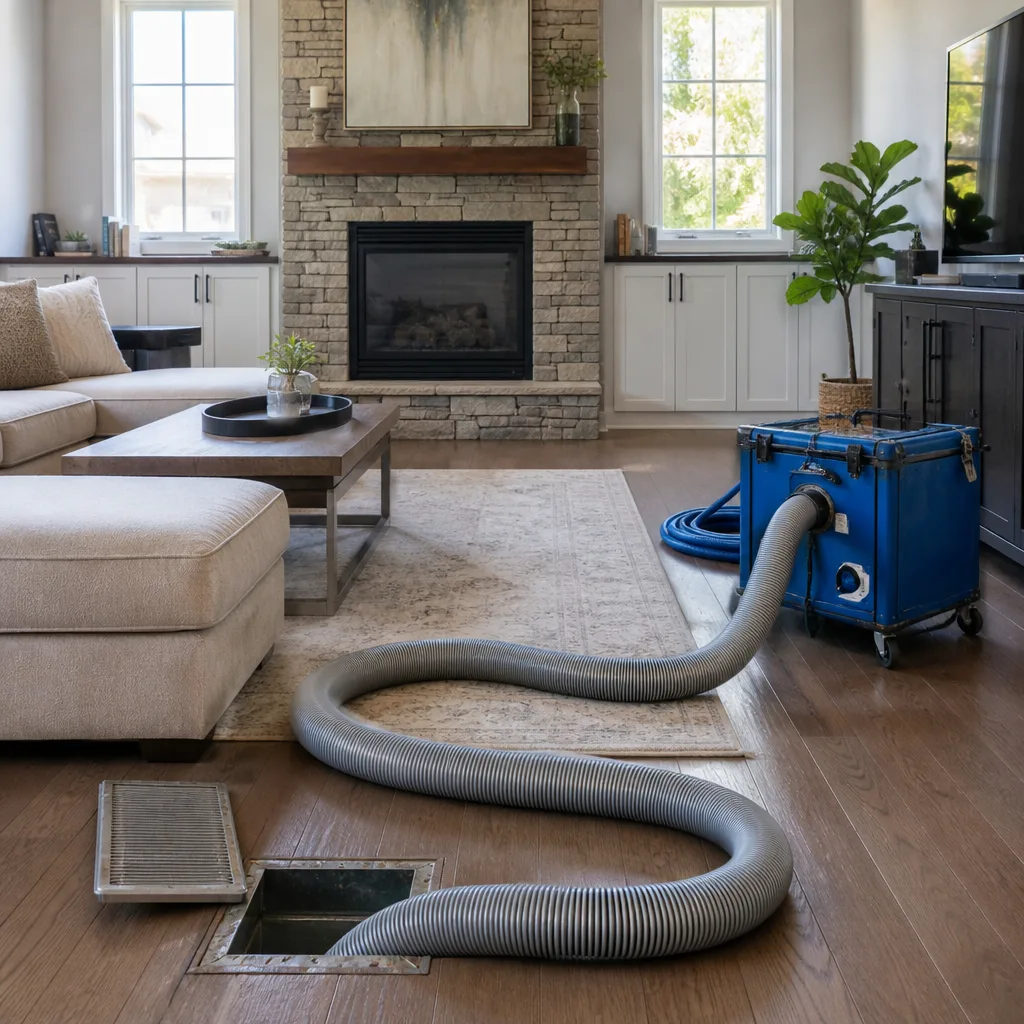 Whole-home duct cleaning
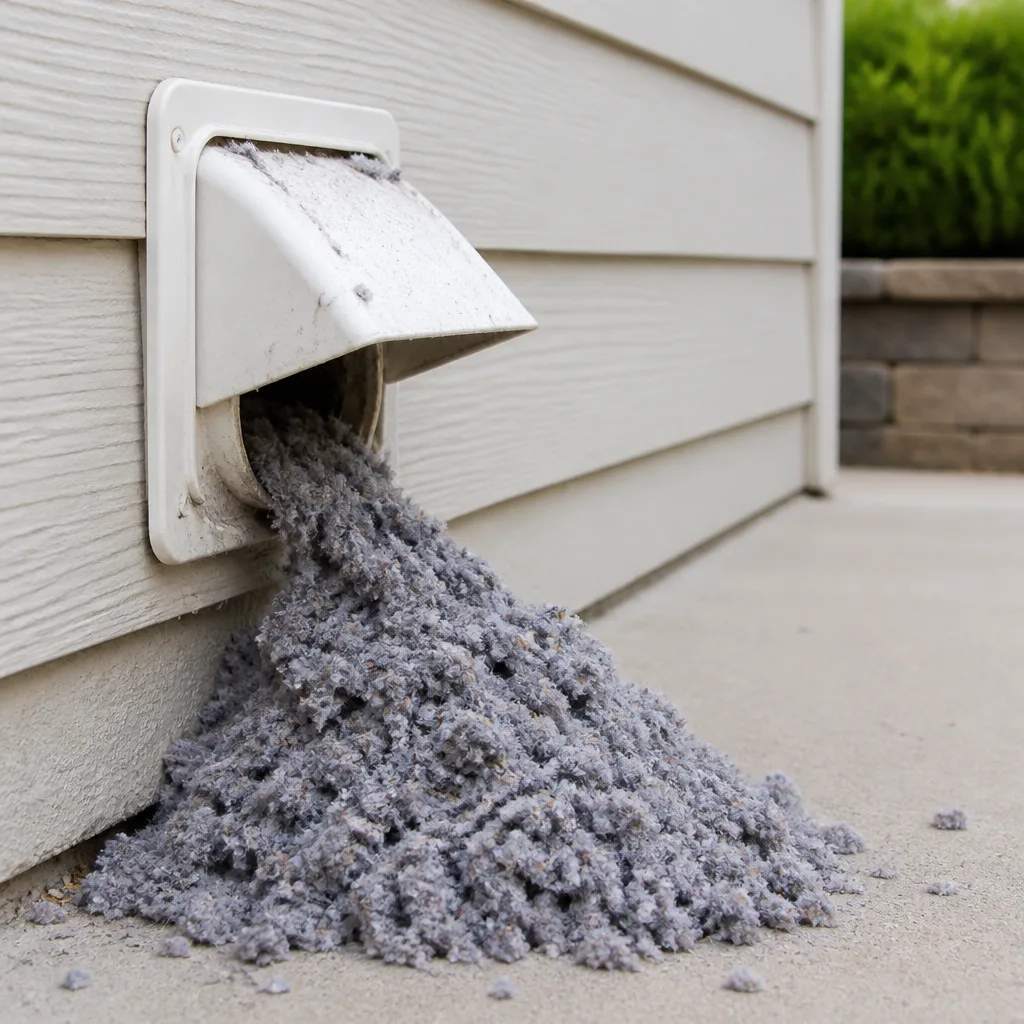 Dryer vent cleaning
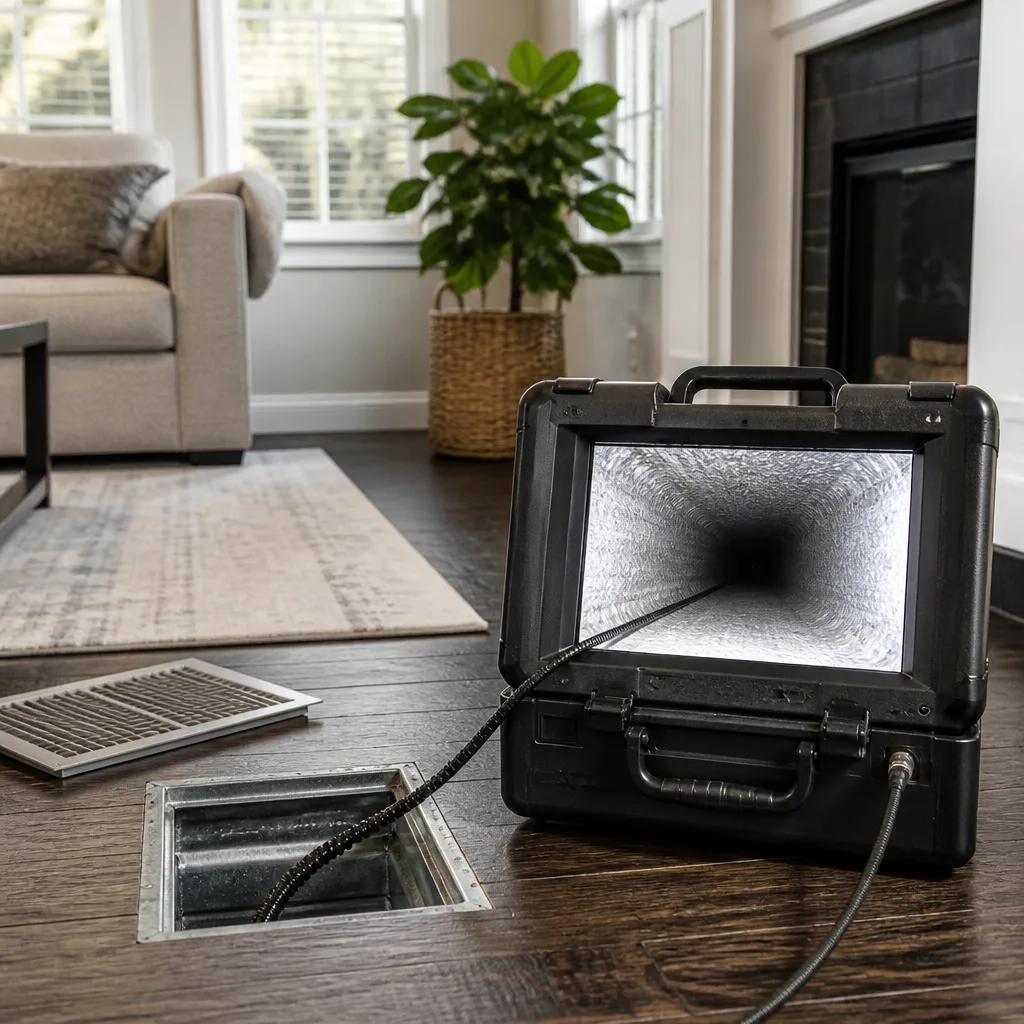 Camera inspection
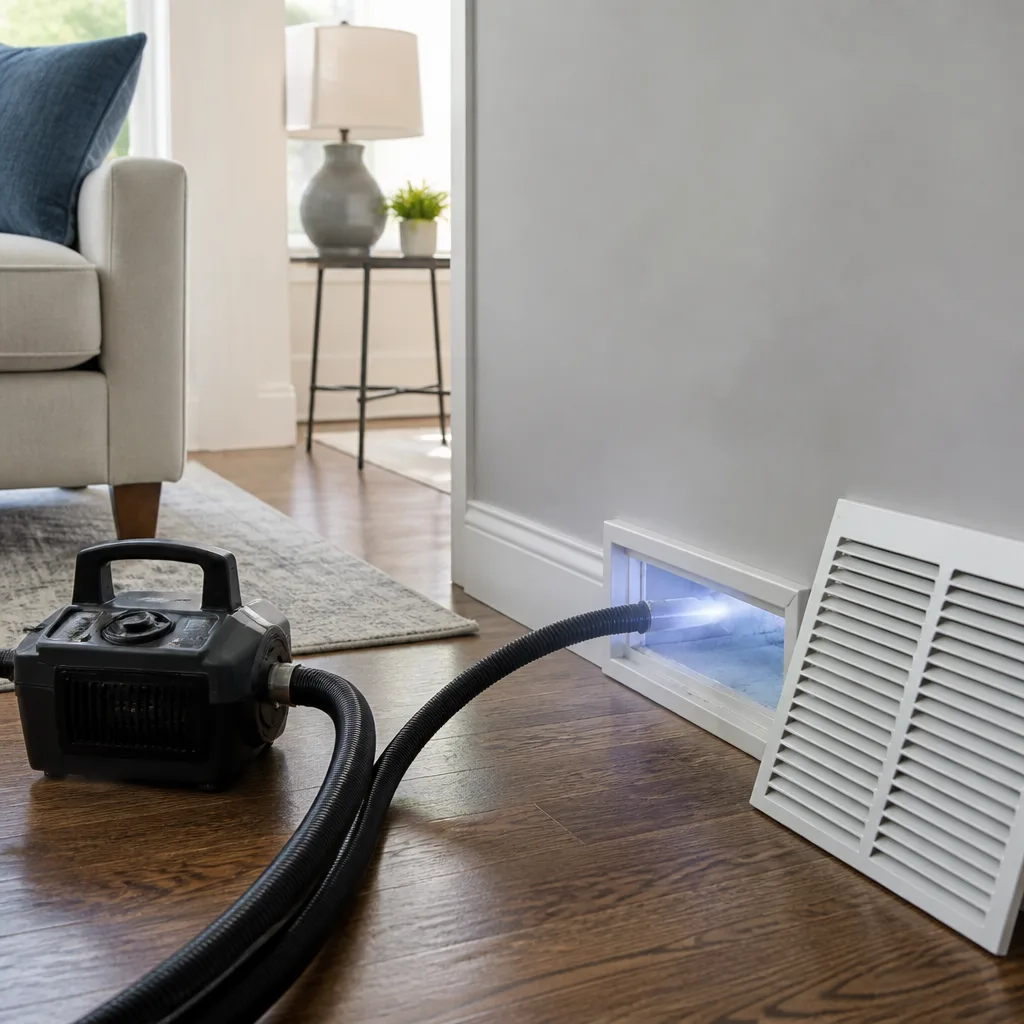 Sanitizing & deodorizing
Whole-system duct and dryer vent check with before-and-after photos - you see exactly what came out of your vents
That "$99 whole-house special" is a bait ad - the real number appears once they are in your hallway, or the "clean" is a shop-vac at the register. We photograph the inside of your ducts before and after instead.
The Complete Guide to Air Duct Cleaning in Arvada
Most Arvada homeowners who’ve “had their ducts cleaned” have only had their supply registers brushed. The return side, the air handler, and the blower compartment were often never touched, which means roughly half the contamination stayed exactly where it was. That’s the gap this guide closes. We’ll walk through what a full-system cleaning actually involves in Arvada’s semi-arid climate, why wildfire smoke seasons leave a different signature inside ductwork than most people expect, what older ranch-home duct layouts look like from the inside, and how to read a post-cleaning inspection so you know the job was finished. No shortcuts, no vague promises.
Quick Answer
A complete air duct cleaning in Arvada means source-removal cleaning of every component in the system – supply trunks, return plenums, the air handler cabinet, the blower wheel, and the drain pan – under negative pressure, followed by a verification walkthrough with before-and-after photos. It is not register brushing, and it is not a shop-vac pass. A thorough job leaves the system sealed, cleaned, and verified, not partially dusted and closed back up.
Styles & brands we work with
- Whole-home duct cleaning
- Dryer vent cleaning
- Camera inspection
- Sanitizing & deodorizing
Table of Contents
- Why Arvada’s Climate Makes Duct Cleaning Different
- Source-Removal Cleaning vs. What Budget Services Do
- Every System Component a Complete Cleaning Must Address
- The Equipment Behind a Professional-Grade Cleaning
- What Older Arvada Ranch Homes Hide in Their Ducts
- Dryer Vent Cleaning as Fire Prevention
- Duct Repair and Sealing: Why Cleaning Alone Isn’t Enough
- How to Read a Post-Cleaning Inspection
Why Arvada’s Climate Makes Duct Cleaning Different
Arvada sits at roughly 5,300 feet on the western edge of the Denver metro, tucked against the Front Range foothills. That elevation and position shape what ends up in your ductwork. The air here is dry for much of the year – semi-arid, with low humidity that keeps fine particulate matter airborne longer than it would be in a humid climate. Dust doesn’t settle as quickly. It circulates, and every pass through the system deposits a thin layer inside the duct walls. Over a heating season, those layers add up.
Then there’s wildfire smoke. Front Range summers have brought weeks of smoke haze in recent years, and those fine particles – far smaller than household dust – pass through standard furnace filters more easily than most homeowners realize. When they settle inside ductwork, they don’t stay put. Every time the blower kicks on, a portion of that accumulated particulate lifts back into the airstream and into the living space. Allergy sufferers and households with young children tend to notice this first.
Arvada’s housing stock adds another variable. The city has a deep inventory of mid-century ranch homes, many built between the 1960s and 1980s, with original galvanized duct runs. Galvanized steel is durable, but it accumulates debris in seams, joints, and the flat-bottomed sections where airflow slows. Homes near the Ralston Creek and Croke Canal corridors also deal with seasonal dust from surrounding open ground, and the older neighborhoods around Olde Town Arvada and Arvada Plaza have plenty of systems that haven’t been opened up in a decade or more.
What does all this mean in practice? A duct system in Arvada collects a different mix than one in a humid coastal city – more fine dust, more smoke-derived particulate, more dry-season accumulation. That’s why air duct cleaning here needs to focus on the fine-particle load, not just the visible debris. Contact cleaning with mechanical agitation reaches what a vacuum alone cannot.
Source-Removal Cleaning vs. What Budget Services Do
The term “source-removal cleaning” is the dividing line between a real job and a cosmetic one. Source removal means physically dislodging the contamination from the surfaces where it clings and capturing it under negative pressure so it leaves the system – not just gets stirred around. In our experience, this is the step budget services skip, and it’s why some homeowners end up feeling like nothing changed after a cleaning.
Here’s the difference in plain terms:
- Source-removal cleaning: Mechanical agitation (rotary brush and air whip) loosens debris from duct walls, then a high-volume negative-pressure vacuum captures it and pulls it out of the system entirely. Containment equipment keeps the dust from migrating into the home during the process.
- Budget “shop-vac” cleaning: A small vacuum is placed at one register while a technician brushes the visible opening. Debris that’s lodged in the seams, on the return side, or in the air handler cabinet is never reached, and the vacuum often lacks the airflow to move it even if it were.
There’s a physical reason this matters. A standard shop vacuum moves maybe a fraction of the air volume that a professional negative-pressure unit does. It can pick up loose dust from a register face, but it can’t lift the adhered layer inside a supply trunk. Professional equipment is built for volume and containment, and the difference shows up the moment you open the system and look downstream of where the vacuum was connected.
You can spot the gap before anyone shows up. Ask a company what vacuum they use and whether they run negative pressure through the whole system or just at the register. If the answer is “a shop vac and a brush,” the job will be partial. Our approach uses equipment from Rotobrush and Abatement Technologies for exactly this reason – the machinery is designed for source removal, not surface dusting.
Every System Component a Complete Cleaning Must Address
A duct system is not just the supply lines running to your registers. It’s a chain from the return grille to the air handler to the supply trunk, and every link holds contamination. A complete cleaning touches all of them. Here’s what a thorough job covers, in order:
- Supply trunks and branches: The ducts that carry conditioned air out to each room. These are brushed and vacuumed from the main trunk through to the register boots.
- Return plenums and return ducts: The larger, often-neglected side of the system that pulls air back to the furnace. Return ducts usually carry the heaviest debris load because they run filter-side and see more unfiltered air.
- The air handler cabinet: The metal box that houses the blower and evaporator coil. Dust accumulates here as a fine blanket and can coat the coil, cutting efficiency.
- The blower wheel: The fan itself. A dirty blower wheel is unbalanced and less efficient – and brushing it requires careful handling so the fins aren’t damaged.
- The drain pan: The condensate pan under the evaporator coil. Standing moisture plus dust equals the start of biological growth, so the pan gets cleaned and checked for drainage.
- Registers and grilles: Removed, cleaned separately, and reinstalled after the ducts are done.
Return-side neglect is the most common failure we see in Arvada homes. A homeowner pays for a cleaning, the supply side gets attention, and the return plenum – which is often the dirtiest part of the system – sits untouched. That’s the “half the contamination stayed in place” problem. A complete HVAC cleaning reaches the air handler and blower compartment in the same visit, so the chain is addressed end to end: from the duct opening to the air handler.
If your system is being cleaned properly, every one of these components gets touched. Ask the technician which ones they’ll cover before they start. You should hear all six.
The Equipment Behind a Professional-Grade Cleaning
You don’t need to know brand names to hire a good duct cleaner, but knowing what the equipment does helps you ask the right questions. Professional-grade equipment exists to solve two problems: reaching and removing contamination, and keeping it out of your living space while the work happens. Here’s how the tools break down and what each one contributes.
- Rotary brush and air-whip systems (Rotobrush): Mechanical agitation loosens adhered debris from duct walls. The rotary brush handles the straight runs and the corners; the air whip reaches into branch lines and turns the tight bends a brush can’t follow.
- High-volume negative-pressure units and containment (Abatement Technologies): These run the whole system under vacuum during cleaning and filter the exhaust so airborne debris stays in the equipment. Containment is the reason a professional cleaning doesn’t leave a fine dust film on your furniture.
- HEPA filtration: Final-stage filtration captures fine particulate – the smoke-derived and dust-sized particles that standard filters miss. This is what makes the visible difference in air quality after the job.
Beyond the cleaning, the equipment matters for what comes after. Duct repair and sealing with proper tape, mastic, and mechanical fasteners – not just a layer of foil tape – is what keeps a cleaned system clean. And air quality sanitizing with products like Guardsman addresses microbial growth and odors that debris removal alone won’t. Those are the steps most duct cleaners skip because they require a second set of tools and a second skill.
We use this equipment because it’s what commercial and restoration contractors rely on. The residential scale is smaller, but the principles are the same: agitate, contain, extract, verify. We also work with air quality brands like Aprilaire and Honeywell on the filtration side, since a cleaned system paired with the right filter media holds its condition far longer than a cleaned system running cheap 1-inch filters.
What Older Arvada Ranch Homes Hide in Their Ducts
The ranch homes that define much of Arvada’s mid-century housing stock have a specific set of duct issues. Galvanized sheet-metal runs from the 1960s through the 1980s are the standard, and while the metal itself lasts, the installation details around it typically haven’t aged well. Here are the red flags worth knowing about in an older Arvada home:
- Seam separation and taped joints that have failed: Original cloth-backed tape and older foil tape dry out and let go over decades. When joints open, the system pulls attic or crawlspace air in and pushes conditioned air out, and both sides of that leak accumulate debris.
- Duct runs stuffed into tight joist bays: Ranch layouts often run rectangular ductwork through floor joist channels. Those sections are hard to reach, collect debris in the flat bottoms, and are frequently left out of a shallow cleaning.
- Disconnected or collapsed branch taps: Flexible branch connections installed decades ago can sag or pull loose from the trunk. Airflow to the affected room drops, and the disconnected section becomes a debris trap.
- Undersized returns: Many older homes were built with a single central return that’s now undersized for modern blower systems. Restricted return airflow means more dust settles in the plenum instead of being filtered.
- Original furnace-side filter grilles: A 1-inch filter slot at the return is standard, and the filter grade it accepts is modest. Fine Front Range particulate slips right through.
In our experience, a ranch home with original galvanized runs usually needs more than a cleaning. It needs a repair-and-seal pass. Cleaning a system with failed joints is like cleaning a room with the windows open; the work doesn’t hold. That’s why we combine the two: sealed, cleaned, and verified is the end state we’re after, and it’s the only way a 1960s Arvada duct system stays clean after the vacuum truck pulls away.
Dryer Vent Cleaning as Fire Prevention
Dryer vent cleaning is part of the core service menu here, not an upsell tacked onto the invoice. The reason is straightforward: lint accumulation in a dryer vent is a recognized fire hazard, and the National Fire Protection Association identifies it as a leading contributor to dryer-related fires. The vent is also an efficiency component – a clogged vent extends dry times, strains the dryer, and can shorten its life.
In Arvada homes, dryer vents typically run either up through the roof or out through a wall to a side vent, and the length of that run matters. Longer runs accumulate lint faster. The flexible transition duct behind the dryer is another common choke point, since it corrugates, catches lint, and is often kinked against the wall. A proper dryer vent cleaning runs the full length of the vent – from the dryer connection to the exterior termination – with a rotary brush and vacuum, then verifies airflow at the exterior hood.
If you notice clothes taking longer to dry, a hot dryer cabinet, or the exterior flapper not opening fully during a cycle, those are signals worth acting on. You can read more about how we handle dryer vent cleaning in Arvada, including what the visit involves and how the vent gets verified afterward.
Addressing the dryer vent in the same visit as the air ducts makes practical sense. The same equipment, the same containment setup, the same visit. It’s one trip to address two separate systems that both affect how your home performs.
Duct Repair and Sealing: Why Cleaning Alone Isn’t Enough
A cleaned duct system with leaky joints is a temporary improvement. Sealing is what makes the cleaning hold. Here’s why it matters on the Front Range specifically: Arvada homes sit in an environment with high summer temperatures and cold winters, and ductwork routed through attics and crawlspaces sees significant temperature swings. Metal expands and contracts, joints flex, and failing tape gets worse over time. Every leak lets debris back in and lets conditioned air out.
Duct sealing typically involves several techniques depending on the leak type:
- Mastic sealing on accessible joints: A heavy, fiber-reinforced paste applied to trunk connections, register boots, and plenum seams. Durable and long-lived.
- Mechanical fastening on separated joints: Screws plus mastic on connections that have pulled apart, rather than tape alone.
- Register boot sealing: The gap between the boot and the drywall or subfloor is a common air-loss point. Sealing it improves airflow to the room and reduces attic or crawlspace air infiltration.
- Return plenum sealing: Restricting return-side leaks reduces negative pressure on the home and cuts the amount of unfiltered air the system pulls in.
The order matters: clean, then seal, then verify. Sealing a dirty system traps debris in place and bakes it on. Sealing a clean system keeps it clean. We also recommend pairing the sealing work with a whole-home filtration upgrade if the system can accommodate it – a thicker media cabinet holding a higher-MERV filter catches far more fine particulate than the original 1-inch slot, which means the next cleaning is years out rather than sooner.
How to Read a Post-Cleaning Inspection
The cleaning isn’t finished when the equipment is packed up. It’s finished when the technician walks you through what was done and shows you proof. Here’s what a proper post-cleaning inspection should include, step by step:
- Before-and-after photos of your own ducts: Not stock images. Photos taken inside your system at the start and end of the job. Ask to see them on the technician’s screen or the report.
- A component checklist: Every listed component – supply trunks, return plenums, air handler cabinet, blower wheel, drain pan, registers – checked off as cleaned. Not “cleaned the ducts” as a single line item.
- Confirmation of sealing: If repair and sealing was done, the technician should point out what was sealed and with what material.
- Filter status: A fresh filter in place at the end, with the size and MERV rating noted so you can replenish it yourself.
- Drain pan verification: If the air handler has a condensate pan, confirm it was cleaned and is draining. Standing water is the start of a problem.
- A walkthrough with the system running: Listen to the blower, check airflow at the registers, and have the technician confirm airflow at the return.
If a company can’t or won’t show before-and-after photos, that’s the answer to whether the job was thorough. Verification is part of the process, not a courtesy. Ask for it before you pay.
Common Mistakes to Avoid
- Assuming “air duct cleaning” means the whole system. Many quotes only cover supply registers. Confirm in writing that the return plenums, air handler cabinet, blower wheel, and drain pan are included – half a system is half a job.
- Hiring on price alone with no equipment details. A low quote that relies on a shop-vac can’t do source-removal cleaning, and in an older Arvada ranch home, that gap matters because debris is already lodged in seams and taped joints.
- Skipping the sealing step after a cleaning. Clean ducts with leaky joints re-contaminate faster. In homes with original 1960s or 1970s galvanized runs, sealing is what makes the cleaning last.
- Ignoring the dryer vent. Lint accumulation is a fire hazard the NFPA flags as a continuous maintenance concern. If your dryer vent hasn’t been cleaned in years, that’s a separate job that should be handled in the same visit.
- Not asking about containment. Proper containment keeps debris out of the home during cleaning. Without it, fine dust ends up on surfaces and in the HVAC system instead of the vacuum.
- Skipping the post-cleaning verification. If you don’t see before-and-after photos and a component checklist, you have no way to know what was actually cleaned.
See the difference
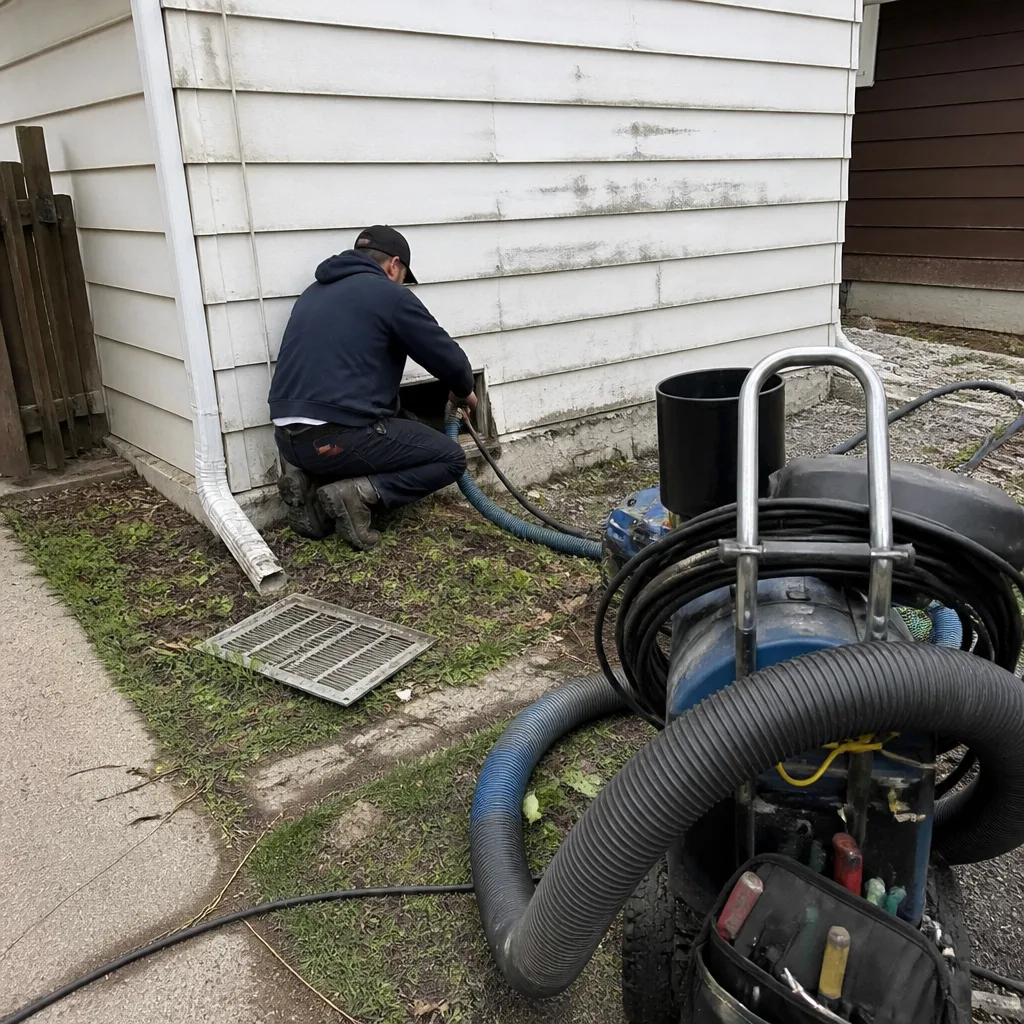 Before
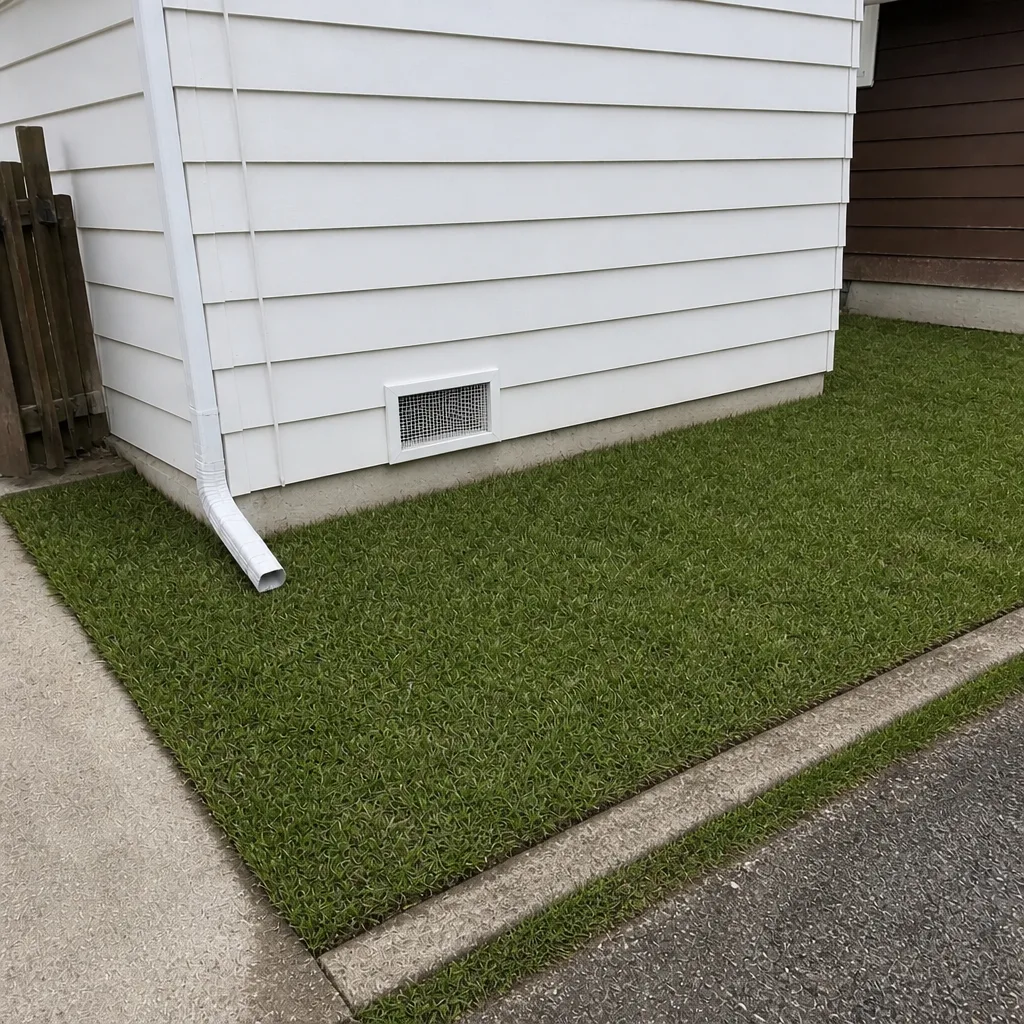 After
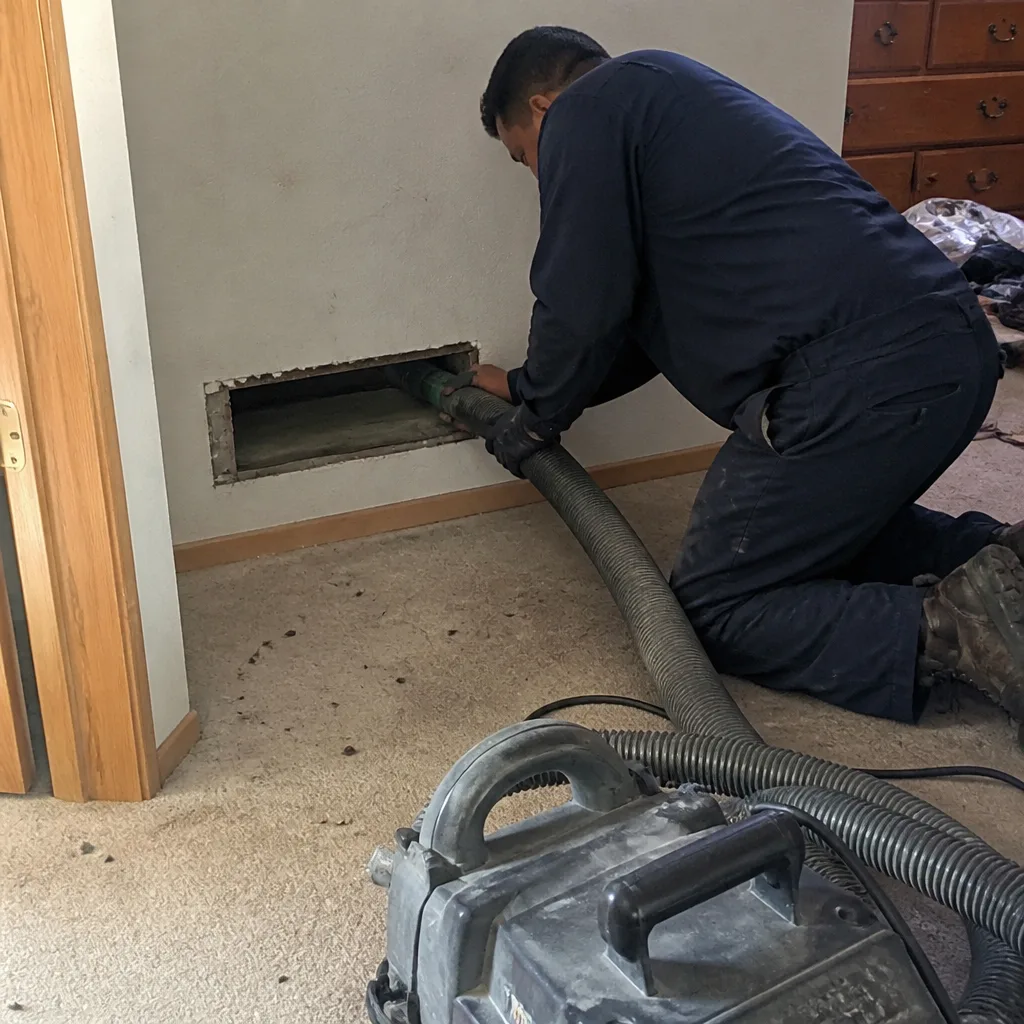 Before
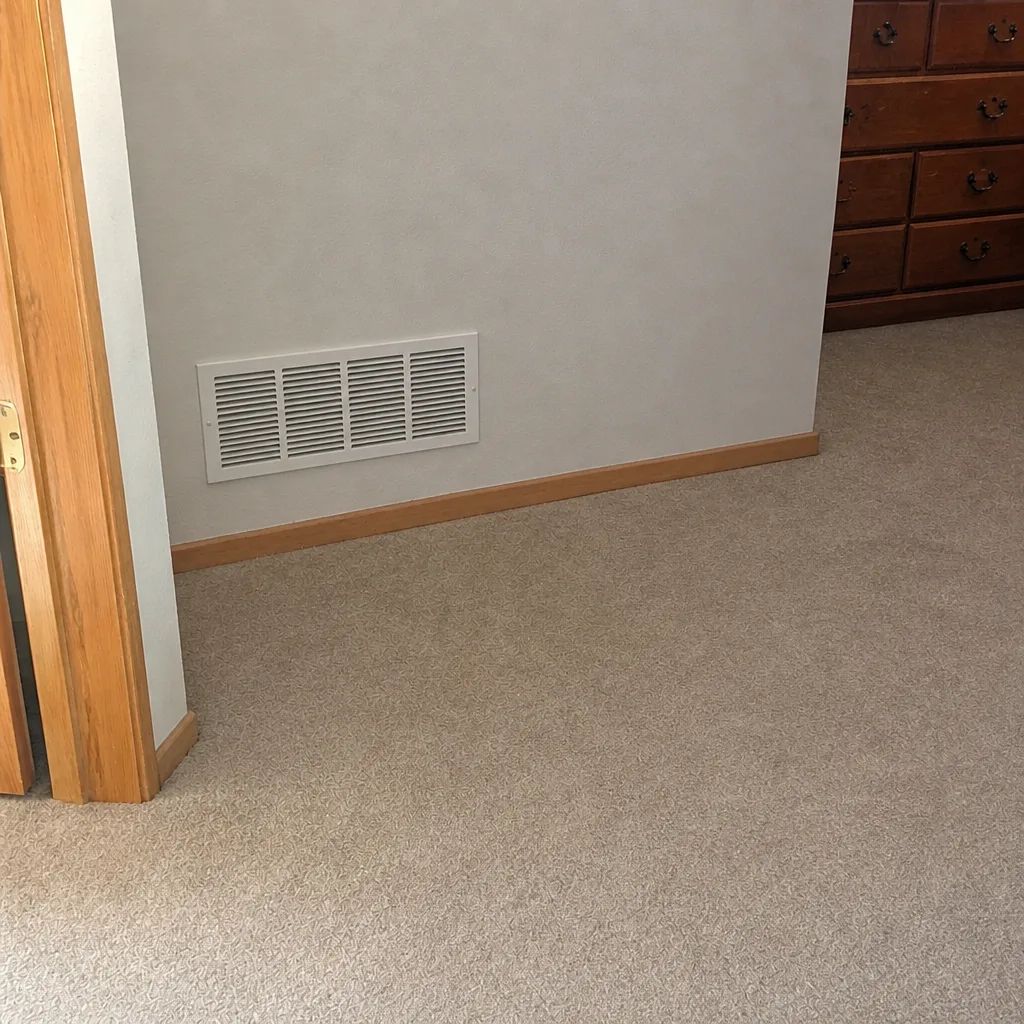 After
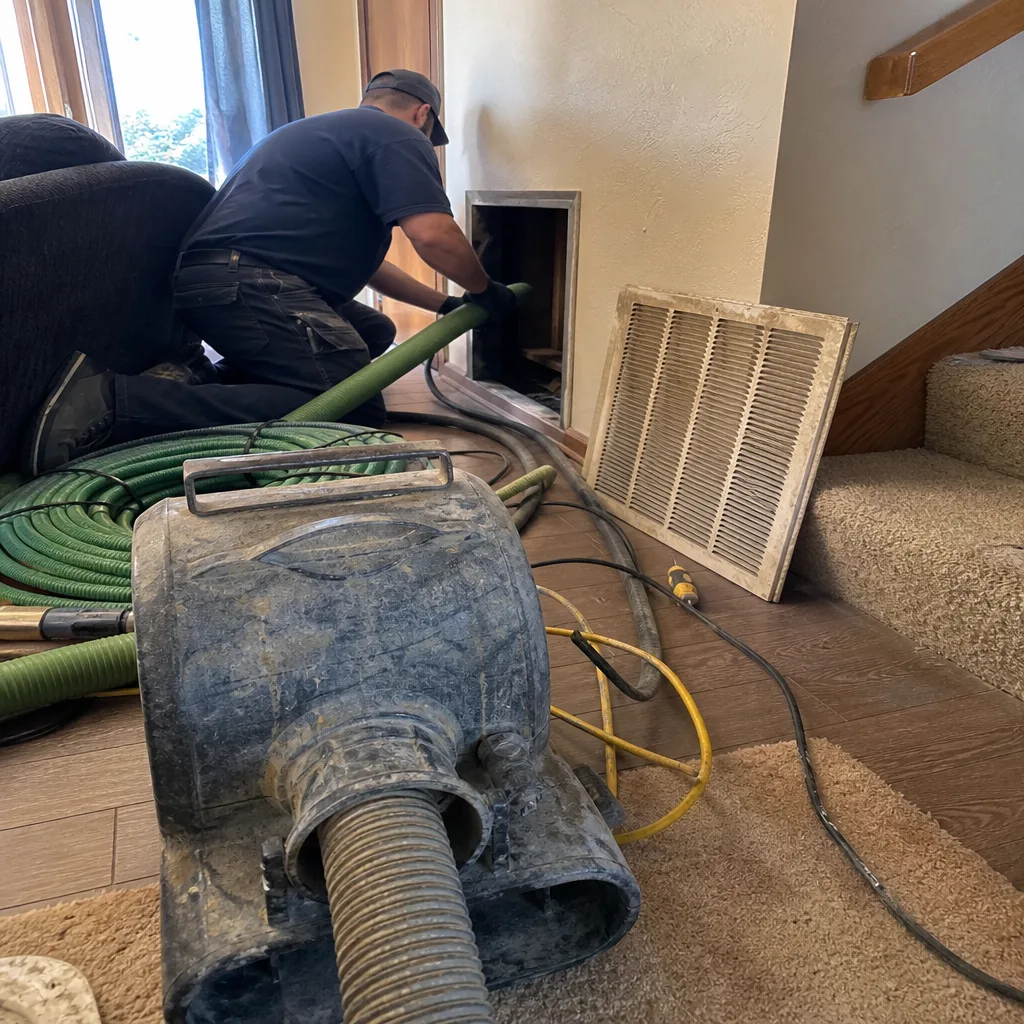 Before
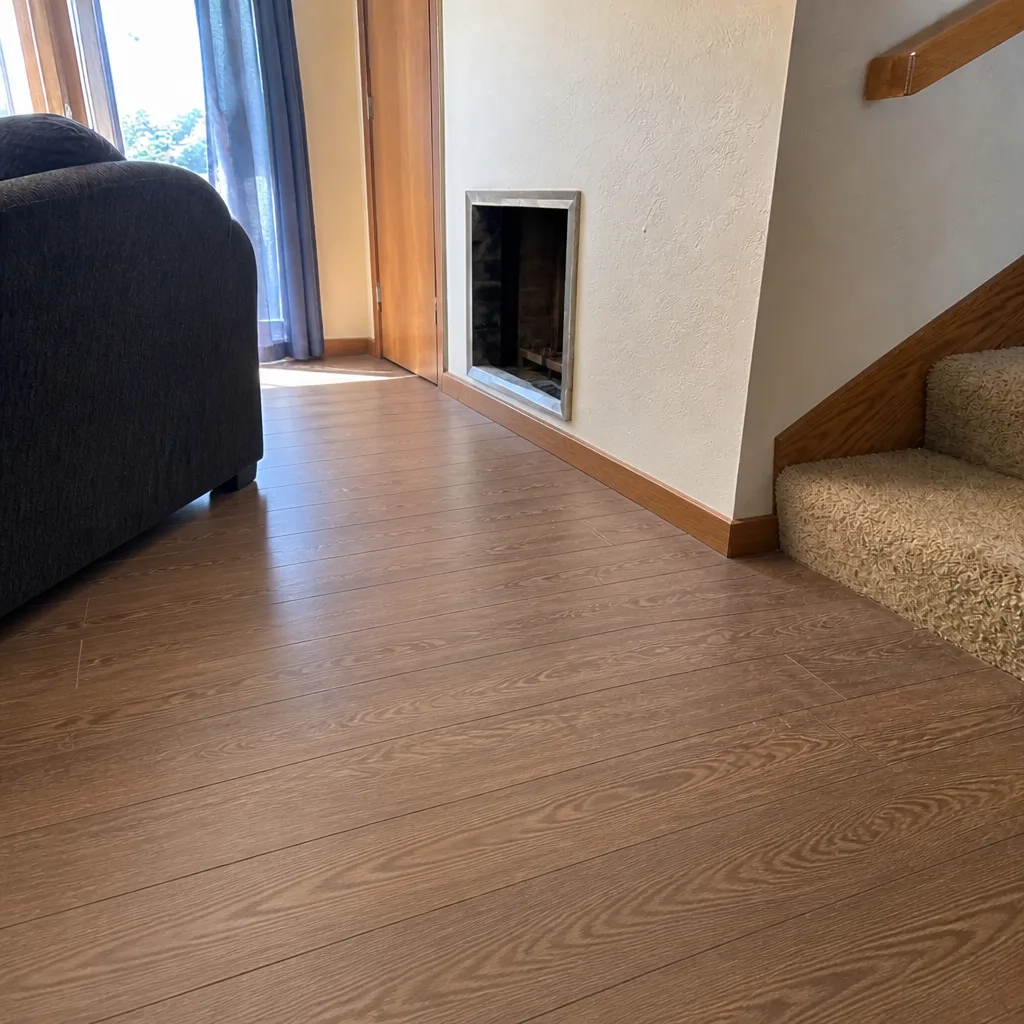 After
When to Call a Professional
Some duct conditions are obvious and some aren’t. Call for a professional evaluation if you’ve recently bought a home and don’t know the duct cleaning history, if you’ve finished a renovation that generated dust, if you’re noticing visible dust discharge from registers when the system runs, if allergy symptoms worsen indoors, or if the system has never had a full cleaning in the time you’ve owned the home. Older Arvada homes with original galvanized runs and failed taped joints are a strong candidate for the repair-and-seal service, and dryer vents that dry clothes slowly are always worth checking. Arvada Air Duct Cleaning Co offers free estimates in Arvada – call (833) 482-6448. We answer 24/7. Fast dispatch from 7am to 7pm, Sunday through Friday.
Frequently Asked Questions
Every three to five years is a reasonable interval for a typical Arvada home, and sooner after a renovation, a move-in, a wildfire smoke season that left noticeable accumulation, or if the home has a heavy pet population. Homes with older duct systems and weak filtration often need a shorter interval because contamination collects faster.
Typical residential air duct cleaning in Arvada runs roughly $350 to $600 for a standard home, depending on system size, number of registers, and whether the return side and air handler are included. Repair and sealing adds to the range because it involves materials and additional labor. The written estimate sets the final price before any work starts. Call (833) 482-6448 for an exact quote – estimates are free.
Because some quotes don’t cover the full system. A low figure often reflects register brushing only, no negative-pressure vacuum, no containment, and no air handler access. Ask any company to specify which components are included before you compare numbers. The difference is in the scope, not the equipment brand.
Ask for before-and-after photos of your own ducts and a component checklist signed off by the technician. A complete cleaning ends with a verification walkthrough while the system is running. If a company can’t produce photos and a checklist, the job wasn’t verified.
Yes. Lint accumulation in a dryer vent is a recognized fire hazard, and the NFPA treats it as a maintenance item that shouldn’t be deferred. Arvada’s dry climate doesn’t eliminate the risk – lint accumulates from the dryer regardless. Long vent runs and flexible transition ducts are the most common choke points.
Yes, and post-renovation is one of the strongest reasons to schedule. Drywall dust and construction debris settle into the supply and return system and get distributed through the home for months. A full cleaning after the dust has settled, with sealing on any joints opened up during construction, is worth scheduling once the renovation is finished. Call (833) 482-6448 for an exact quote – estimates are free.
The Bottom Line
A complete air duct cleaning in Arvada is a full-system job: source removal under negative pressure, every component from the return plenum to the air handler to the supply trunks addressed, duct repair and sealing, air quality sanitizing, and a post-cleaning verification with before-and-after photos. Arvada’s semi-arid climate, Front Range smoke seasons, and aging ranch-home ductwork make the system-specific details matter more than the label on the invoice. If a quote doesn’t spell out the return side, the blower, and the drain pan, it’s not a complete cleaning. Arvada Air Duct Cleaning Co handles the full scope in one visit – air ducts, dryer vents, HVAC components, sealing, and sanitizing.
Call (833) 482-6448 for a free estimate. We answer 24/7. Fast dispatch from 7am to 7pm, Sunday through Friday. One flat price per system agreed before work starts, before-and-after photos as part of the job, and a satisfaction guarantee.
Written by the team at Arvada Air Duct Cleaning Co.