
Last updated November 23, 2026
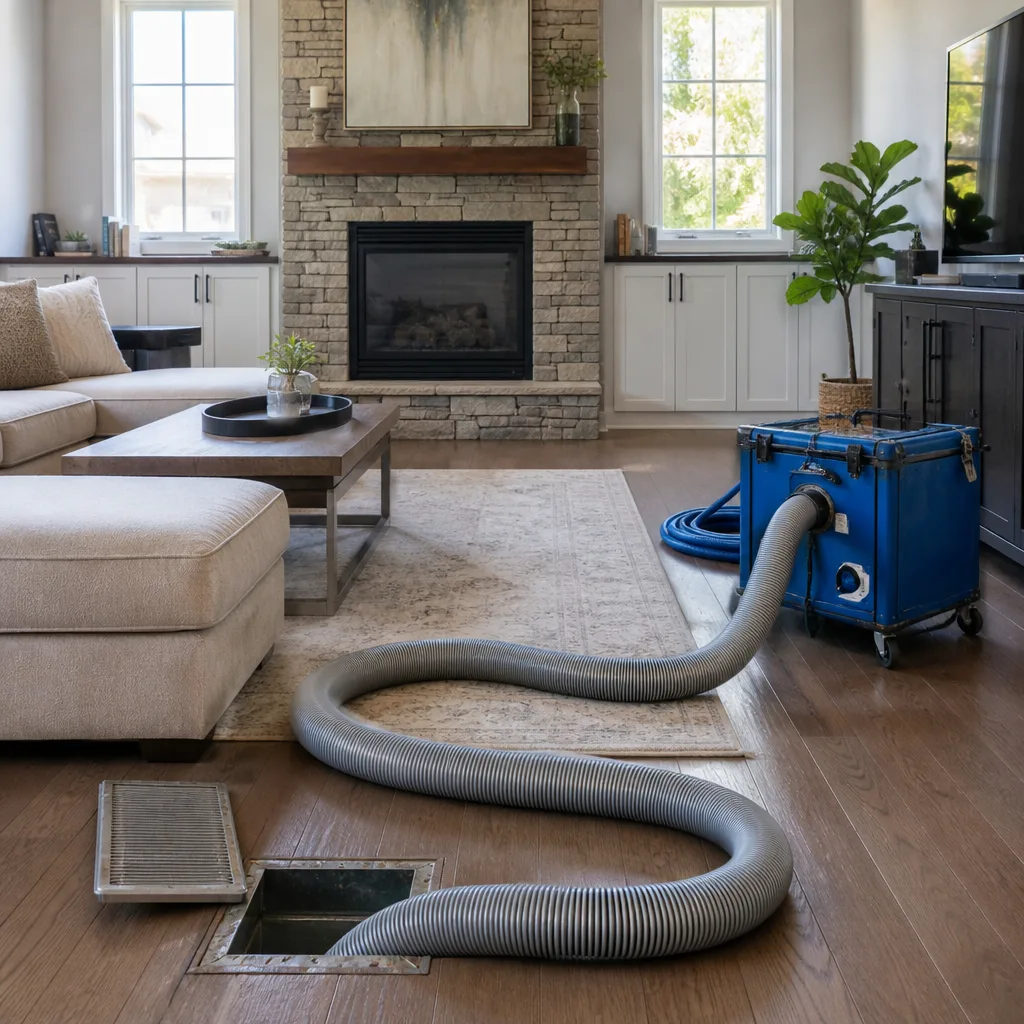 Whole-home duct cleaning
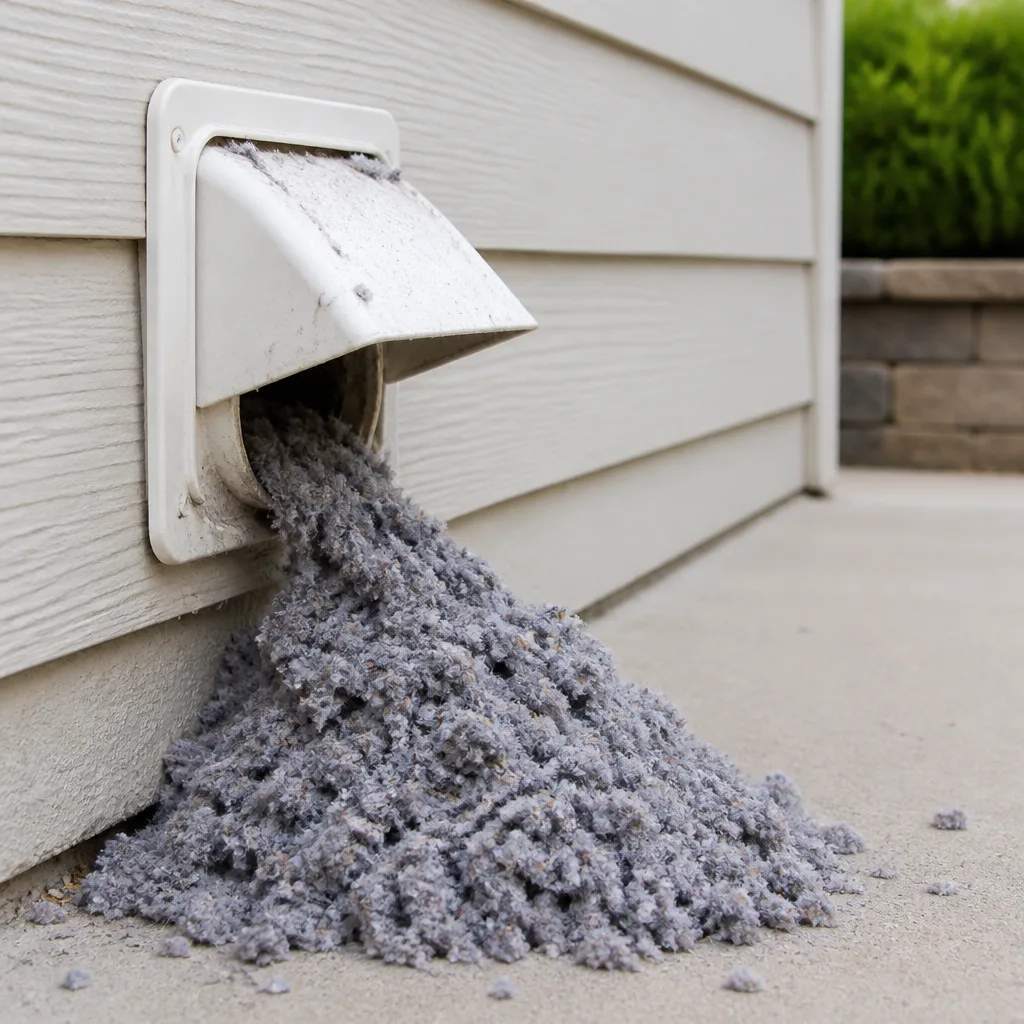 Dryer vent cleaning
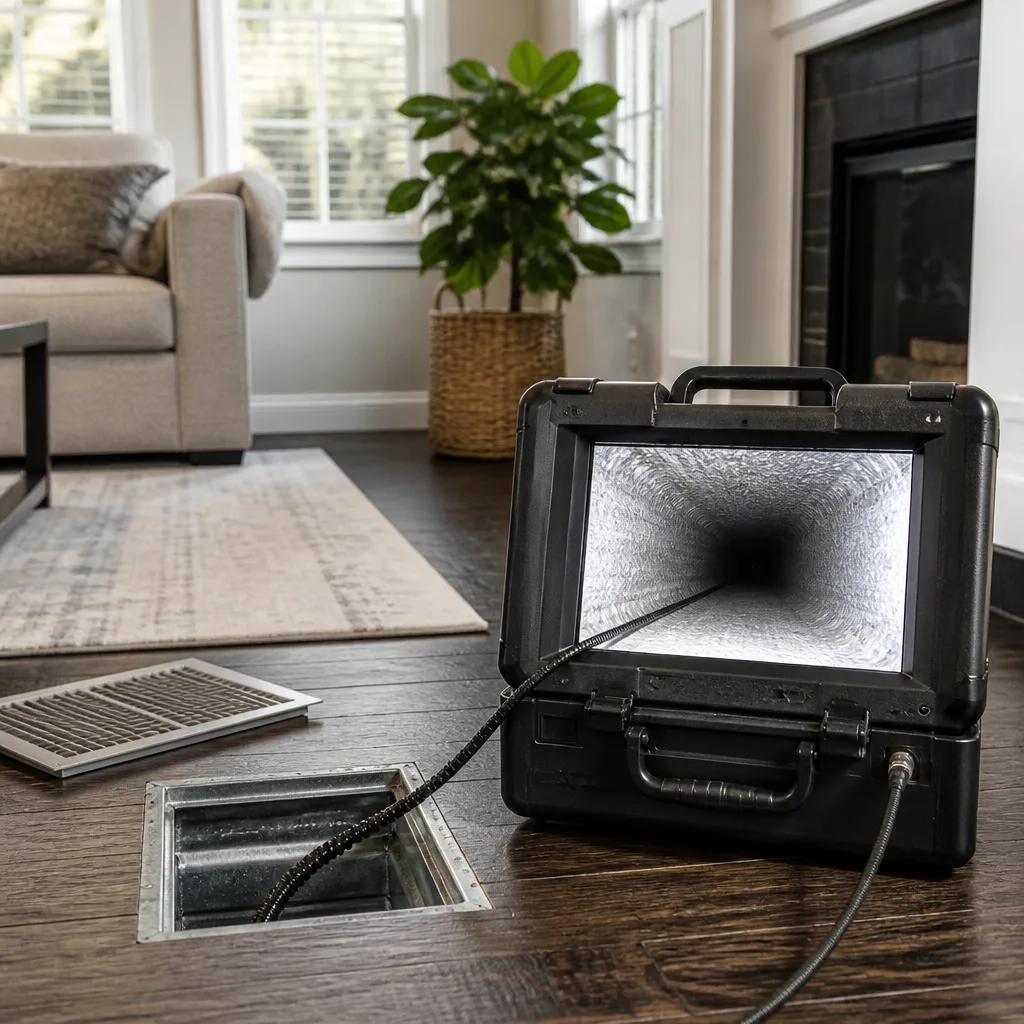 Camera inspection
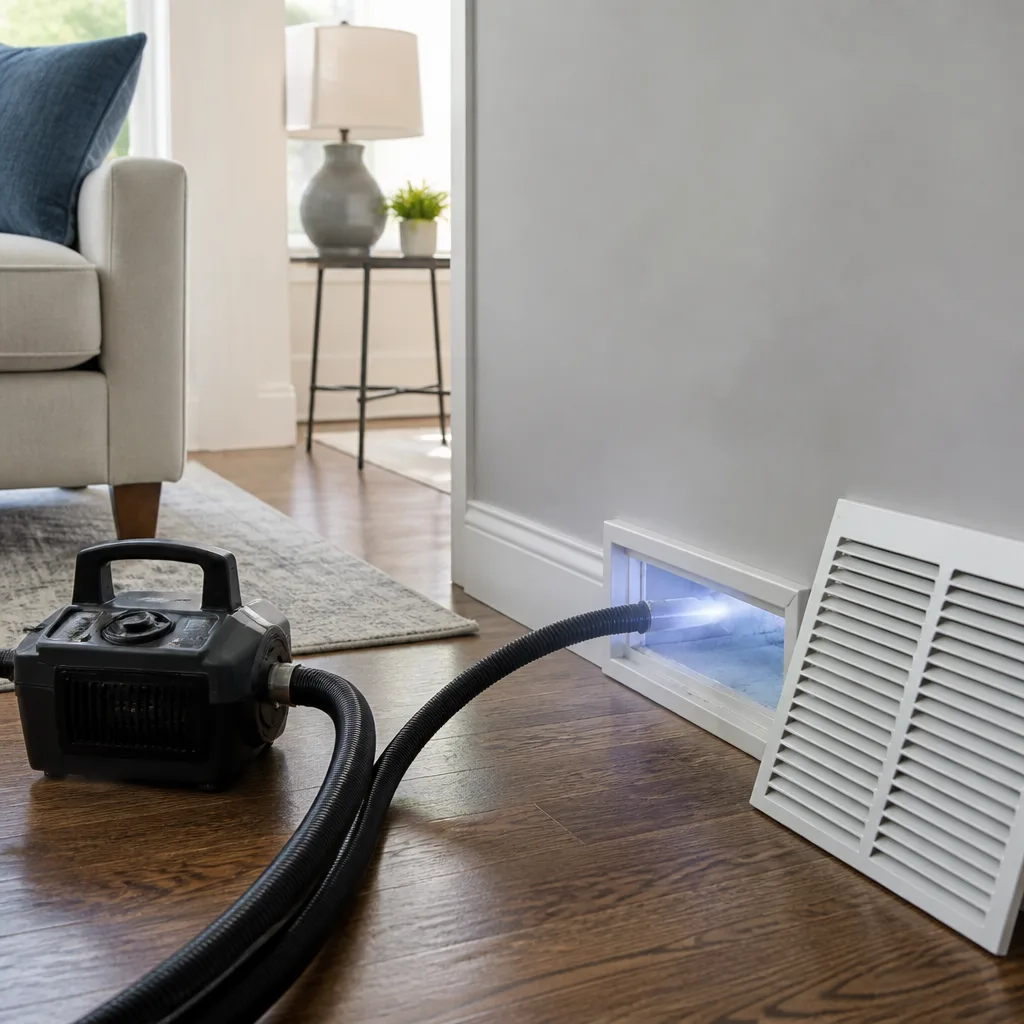 Sanitizing & deodorizing
Whole-system duct and dryer vent check with before-and-after photos - you see exactly what came out of your vents
That "$99 whole-house special" is a bait ad - the real number appears once they are in your hallway, or the "clean" is a shop-vac at the register. We photograph the inside of your ducts before and after instead.
Air Duct Cleaning Warning Signs: An Arvada Homeowner’s Reference Guide
If one room in your Arvada home runs 8-12°F off the thermostat and the HVAC equipment has already been serviced, the problem is usually in the duct distribution system, not the furnace or the AC. That’s the part most homeowners never look at, because it’s hidden behind grilles and drywall. But ducts give you signals long before a repair gets expensive: a smell, an airflow pattern, a dust line, a runny nose that only shows up when the heat kicks on. The trick is knowing which signal points to which problem. This guide breaks the duct system into a diagnostic you can actually read. We’ll cover smell types, a register-to-register airflow test, what debris location tells you, health patterns, and when discoloration means filter bypass. Arvada homes have their own quirks, and we’ll get into those too.
Quick Answer
The main warning signs that your air ducts need attention are: a musty or chemical smell that appears only when the system runs, one or more rooms that stay significantly hotter or colder than the rest of the house despite HVAC service, visible dust or debris collecting at or just inside supply registers, allergy symptoms that flare when the air handler is running and ease when it stops, and dark discoloration streaks around register grilles. Any one of these is worth investigating. Two or more pointing the same direction usually means contaminated or leaky ductwork, not an equipment problem.
Styles & brands we work with
- Whole-home duct cleaning
- Dryer vent cleaning
- Camera inspection
- Sanitizing & deodorizing
Table of Contents
- Reading the Three Smells: Mildew, First-Heat Dust, and Chemical Odors
- The Register-to-Register Airflow Test
- Visible Debris at the Grille vs. Inside the Boot
- Health Patterns: HVAC-Related Flares vs. Outdoor Pollen
- Discoloration Around Registers: Filter Bypass or Normal Dust?
- What Arvada’s Climate and Housing Do to Duct Systems
- The Dryer Vent Sign Most Homeowners Miss
- How to Verify a Duct Cleaning Was Done Right
Reading the Three Smells: Mildew, First-Heat Dust, and Chemical Odors
Smell is the fastest diagnostic your duct system offers, but only if you classify it correctly. Homeowners lump every odor into “musty,” and that leads to the wrong fix. There are three distinct smell categories, and each one points to a different part of the system.
Mildew or damp-earth smell
This is the smell of moisture sitting in duct liner or on the evaporator coil. Fiberglass liner inside return ducts traps dust, and in a home with a humidifier or a swamp cooler, that dust stays damp. A mildew smell that’s strongest at return grilles and fades at supply registers usually means the return side is the source. It’s the signature of a moisture problem, not just a debris problem, and cleaning without addressing the moisture source tends to bring it back.
Burning dust on first heat
Every fall, the first time the furnace runs, a hot-dust smell fills the house. That’s normal for a few minutes – dust settled on the heat exchanger is burning off. What isn’t normal is that smell recurring through the season, or showing up every time the system cycles. Recurring hot-dust odors point to dust accumulation on the heat exchanger and in the supply plenum, which is debris the filter never caught.
Chemical, sharp, or solvent-like odors
This one gets misdiagnosed constantly. A sharp chemical smell can come from a previous sanitizing treatment applied too heavily (some fogging products leave residue in the liner that off-gasses for weeks), from pest activity in the duct runs (droppings and urine have a distinct ammonia edge), or from a refrigerant or combustion issue that has nothing to do with ducts. If the smell appeared right after a cleaning or sanitizing visit, the treatment itself is the likely source. If it appeared on its own, rule out gas and refrigerant first, then look at the ducts.
In our experience, the smell that clears up within a day of the system shutting off is a duct issue. The smell that persists whether the system runs or not is usually coming from somewhere else in the house – a wet basement, a crawlspace, or a bathroom exhaust ducting into the attic instead of outside.
The Register-to-Register Airflow Test
A simple airflow comparison across your registers will tell you more about duct condition than any visual inspection. You don’t need instruments for the basic version. You need a strip of tissue or a piece of light paper and about fifteen minutes.
- Turn the system to fan-only so the blower runs continuously without heating or cooling. This gives a steady airflow to compare.
- Hold the tissue against each supply register and note how strongly it’s pulled against the grille. Use a consistent fold and grip so your comparison is fair.
- Rank each register weak, medium, or strong. Write it down with the room name next to each one.
- Look for outliers. In a well-designed system, registers closest to the air handler are strongest and the far end is weakest, but no single register should be dramatically weaker than the one next to it on the same trunk.
- Check the returns the same way. A return with almost no pull is often blocked by a collapsed flex duct, a closed damper, or debris piled against the grille backing.
- Repeat the test after the system runs for 20 minutes. Airflow that starts weak and improves can indicate a partially blocked section that’s shifting debris as it moves.
Three patterns matter. If one room is weak and everything else is fine, suspect a disconnected or crushed branch duct serving that room – a common finding in homes where flex duct was pulled tight through a tight joist bay. If the entire far side of the house is weak, suspect a trunk issue, a collapsed main, or an undersized return. If airflow is weak everywhere, the problem is at the air handler: a dirty blower wheel, a clogged coil, or a filter that’s loading up faster than it should.
For a more precise reading, a handheld manometer or a pressure gauge at the return will show static pressure. Elevated static pressure at the return is one of the clearest objective signs the system is working harder than it should, usually because of restricted airflow somewhere in the distribution. When we run a system diagnostic, that’s one of the first numbers we look at, and it’s the reason we bring HVAC cleaning into the conversation whenever airflow readings are off.
Visible Debris at the Grille vs. Inside the Boot
Where debris collects tells you where contamination is concentrated, and that changes the cleaning approach. Most homeowners look at the grille and stop there. The more useful view is a few inches past it.
- Dust caked on the grille face is mostly surface dust from the room itself. It tells you the room is dusty, not that the ducts are dirty. It wipes clean and comes back if the room stays dusty.
- Dust accumulating inside the grille slots, on the visible edge of the boot points to debris moving through the system. This is the first sign that airborne particles are being pushed out of the duct and depositing right at the opening.
- Debris lining the inside of the boot – the metal box the register sits in, between the duct and the room – is a strong sign the supply duct itself is contaminated. If the boot is coated, the run behind it almost certainly is too.
- Loose debris on the grille but a clean boot usually means a return is pulling dusty air from somewhere close to the register, like a floor with no filter or a return grille in a carpeted closet.
In Arvada’s older ranch homes, we frequently see the boot connected to a piece of flex duct that sags where it crosses the attic or crawlspace. The low point in that sag collects debris, and over years it becomes a block. The register looks normal; the airflow tells a different story. That’s why we compare the register face test with the airflow test together – one without the other only tells half the truth.
Health Patterns: HVAC-Related Flares vs. Outdoor Pollen
If allergies get worse indoors and you can’t figure out why, the system run cycle is the variable to test. Outdoor pollen has a season; indoor duct contamination flares whenever the blower runs.
Here’s how to separate the two. Track your symptoms for a week alongside the system schedule. If your symptoms are worse in a predictable pattern tied to furnace or AC cycles – especially at startup after the system has been off, or in specific rooms – that points to duct-borne material. If symptoms track with the weather or the time of day regardless of whether the system is running, the source is more likely outdoor or environmental.
The most useful test is a simple one: spend an hour in a room with the system off, then note how you feel. Turn the system on and stay in the same room for another hour. A clear change within the first thirty minutes of runtime points at the duct system. A change that doesn’t happen regardless of run cycle points at something else – a humidity problem, a dust source in the room itself, or a pet dander pattern.
Other patterns worth noting: symptoms that ease when you leave the house for a few hours and return when you come home (the house itself is the source), symptoms that cluster in one room (the branch duct serving that room), and symptoms that started right after a renovation (construction dust pulled into returns and never cleaned out).
We don’t treat or diagnose medical conditions, and anyone with ongoing respiratory symptoms should see their doctor. What we can do is look at the duct system honestly and tell you whether the evidence supports a cleaning. Where sanitizing makes sense, we use air duct cleaning equipment and Guardsman products designed for microbial and odor control, which is a step well beyond a vacuum pass.
Discoloration Around Registers: Filter Bypass or Normal Dust?
Dark streaks around register grilles are extremely common, and most of them are harmless surface dust. The ones that matter are the ones that look different in a specific way.
Normal surface dust
Dust settles on the ceiling and wall around a register because air slows as it exits, and that slow air drops particles. It’s a soft, even smudge, symmetric around the grille, and wipes away easily. Every home has a light version of this. It’s a maintenance chore, not a warning sign.
Filter bypass discoloration
Filter bypass looks different: a sharp, dark line right where the register frame meets the drywall or ceiling, and often a streak pattern that follows the grille slots outward. It’s the visual trace of air escaping around the filter rather than through it. A filter that doesn’t seal to its slot lets unfiltered air slip around the edges, carrying dust directly into the supply trunk. The deposit at the register is the debris that got through. If the streak pattern is heavy and consistent at multiple registers, filter bypass is worth investigating. The fix is usually a filter frame that matches the cabinet opening, and a filter sized correctly for the return grille instead of a loose drop-in.
There’s a related tell: filter bypass in the return also loads the blower wheel faster. If your filter is clean but the blower room looks dusty, that’s a strong signal. And a properly sealed system – sealed at the boots, the plenum, and the filter frame – is the reason we treat sealing as part of the job, not as a follow-up you have to schedule separately. We seal the system so the clean doesn’t reopen the same path.
What Arvada’s Climate and Housing Do to Duct Systems
Arvada sits on the west side of the Denver metro, at the edge of the plains and up against the foothills. Two things drive duct problems here. First, the temperature swings: a 60-degree day in February followed by a 15-degree night is normal, and systems cycle hard enough that ducts that aren’t sealed leak more than in more moderate climates. Second, the dry air. Low indoor humidity in winter cracks flex duct coatings and loosens mastic at joints, and that’s where the leaks start.
The housing stock matters just as much. Neighborhoods like Olde Town Arvada, Scenic Heights, and Alta Vista have ranches and split-levels built decades ago, and many still have original galvanized trunk lines with flex branches that were added later. Those additions are where the failures show up – crushed runs through tight joist bays, ducts disconnected by a remodel, boots that were cut to fit but never sealed to the drywall. Newer construction in Candelas and Whisper Creek usually uses better-sealed ductwork but is more likely to have the balancing damper issue: a tech tweaks a damper to fix one room and the rest of the house loses airflow. And in any Arvada home with a swamp cooler tied into the same duct system, the cooling season is where moisture accumulates and mildew shows up at return grilles first.
None of this is unique to Arvada, but it explains why a duct system here tends to fail in the same three places. A local technician knows to look at the boot seals in older homes and the balancing dampers in newer ones. That’s the difference between cleaning the ducts and addressing why the ducts got dirty.
The Dryer Vent Sign Most Homeowners Miss
Your dryer vent doesn’t share ducts with your HVAC system, but it’s part of the same air movement in the same house, and its warning signs are more serious. The National Fire Protection Association flags dryer vent cleaning as a core home-maintenance item because lint builds up in the vent run and the risk grows with every load.
The signs are simpler than duct signs, and that’s why people overlook them:
- Clothes take noticeably longer to dry than they used to – not a little longer, a lot longer, and it happens gradually so you don’t notice the trend.
- The dryer feels hot on the outside of the cabinet, or the top surface is warmer than usual.
- The vent flap on the outside of the house doesn’t open fully or barely moves when the dryer runs.
- Lint is visible around the lint trap housing, or you find a soft film of lint at the exhaust hood outside.
- The laundry room feels humid or smells faintly like a hot attic after a load.
Any two of those together mean a vent cleaning is overdue. We treat dryer vent cleaning as a core service rather than an add-on, and we schedule it alongside duct work in the same visit when both jobs are due. If your vent run is long or makes several turns, it’s worth checking yearly even when the dryer seems fine, because the buildup in a long run takes less lint to restrict flow.
How to Verify a Duct Cleaning Was Done Right
The most common homeowner complaint we hear about this industry is that a low-priced cleaning turned into a much larger invoice once the technician was on site. The way to avoid that is to know what a complete job looks like before anyone arrives. A full-system cleaning touches every component from the duct opening to the air handler, not just the accessible branches.
- Ask what equipment will be used. Professional-grade equipment matters. We use Rotobrush and Nikro mechanical cleaning tools and Abatement Technologies containment and filtration – the same class of gear used in commercial and restoration work. When containment isn’t part of the setup, debris ends up in the living space instead of the machine.
- Ask for the scope in writing. The scope should cover every supply and return, the boots, the main trunk, the plenum, and the air handler access. If a quote doesn’t list the air handler, ask why.
- Ask for before-and-after photos of your own ducts. This is the single most useful verification step. Photos of your system, not generic stock images, are the plain evidence that the work was done.
- Ask about sealing and repair. Cleaning a leaky system and leaving it leaky is half the job. Ducts that are cleaned and not sealed re-contaminate faster because unfiltered air keeps entering.
- Ask about the final air quality step. Sanitizing after cleaning protects the work already done. We use Guardsman products for that step, and we treat Honeywell and Aprilaire filtration components as part of the system we inspect – not something outside our scope.
- Confirm the price before work starts. One flat price per system, agreed in advance, no per-vent surprises. If the price shifts once the technician is in the attic, that’s the pattern you want to walk away from.
Our technicians have up to 10 years of experience, and the reason we walk the customer through the scope before we start is simple: a customer who understands what’s happening in the system becomes a customer who can spot a shortcut. That’s better for everyone.
Common Mistakes to Avoid
- Blaming the furnace for a duct problem. If you’ve paid for HVAC service and a room is still 10°F off, the equipment has been ruled out. Look at the distribution next, before you spend more on the equipment side.
- Assuming all musty smells are the same. Mildew (moisture), first-heat dust (debris on the heat exchanger), and chemical odors (sanitizer residue or pest activity) need different fixes. Treating them all with a fogger usually makes one of them worse.
- Skipping the return side. Most homeowner inspections stop at the supply grilles. Returns carry the dirtiest air in the house, and in Arvada’s older neighborhoods they’re often the most contaminated part of the system.
- Choosing a quote on price alone. A very low quote rarely covers the full scope: boots, plenum, air handler access, containment, sealing. When it doesn’t, the difference gets billed back. Ask what’s included before you compare numbers.
- Cleaning without sealing. A cleaned leaky duct system re-contaminates through the same gaps. Sealing and repair are what keep the result from being undone in a season.
- Forgetting the dryer vent. It’s not part of the HVAC system, but it’s the same house, the same maintenance schedule, and a more serious risk when neglected. Book it in the same visit.
- Ignoring health patterns that don’t fit the seasons. If allergies flare indoors regardless of outdoor pollen counts, and they track with system runtime, the duct system is the next thing to check – not the allergy medicine.
See the difference
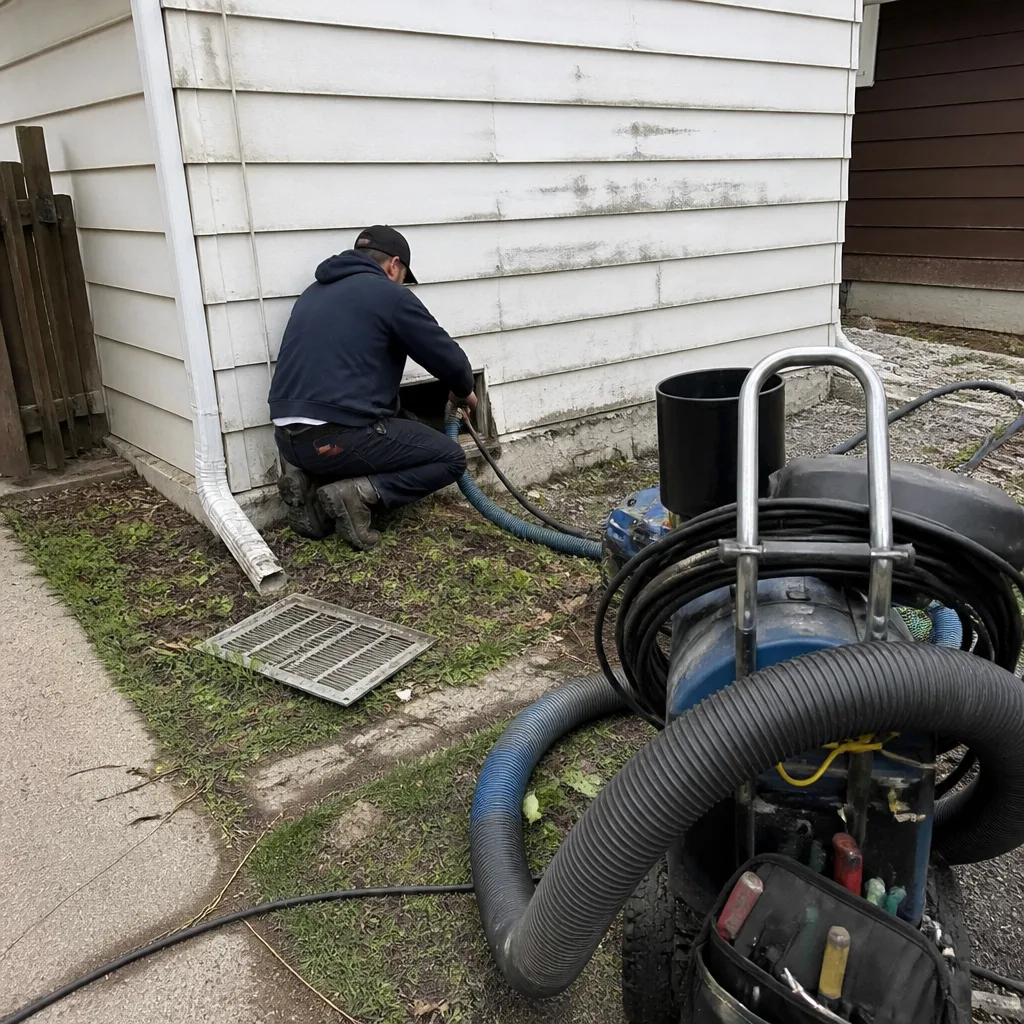 Before
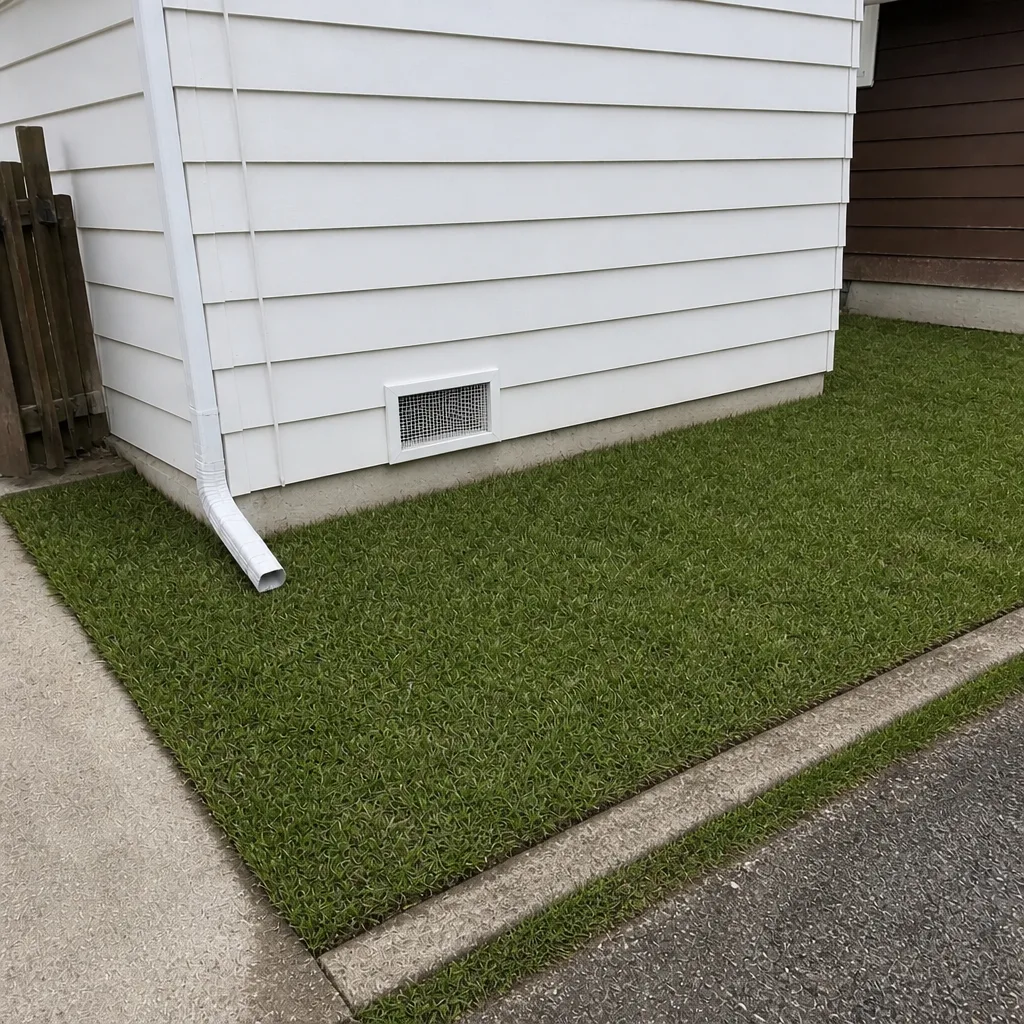 After
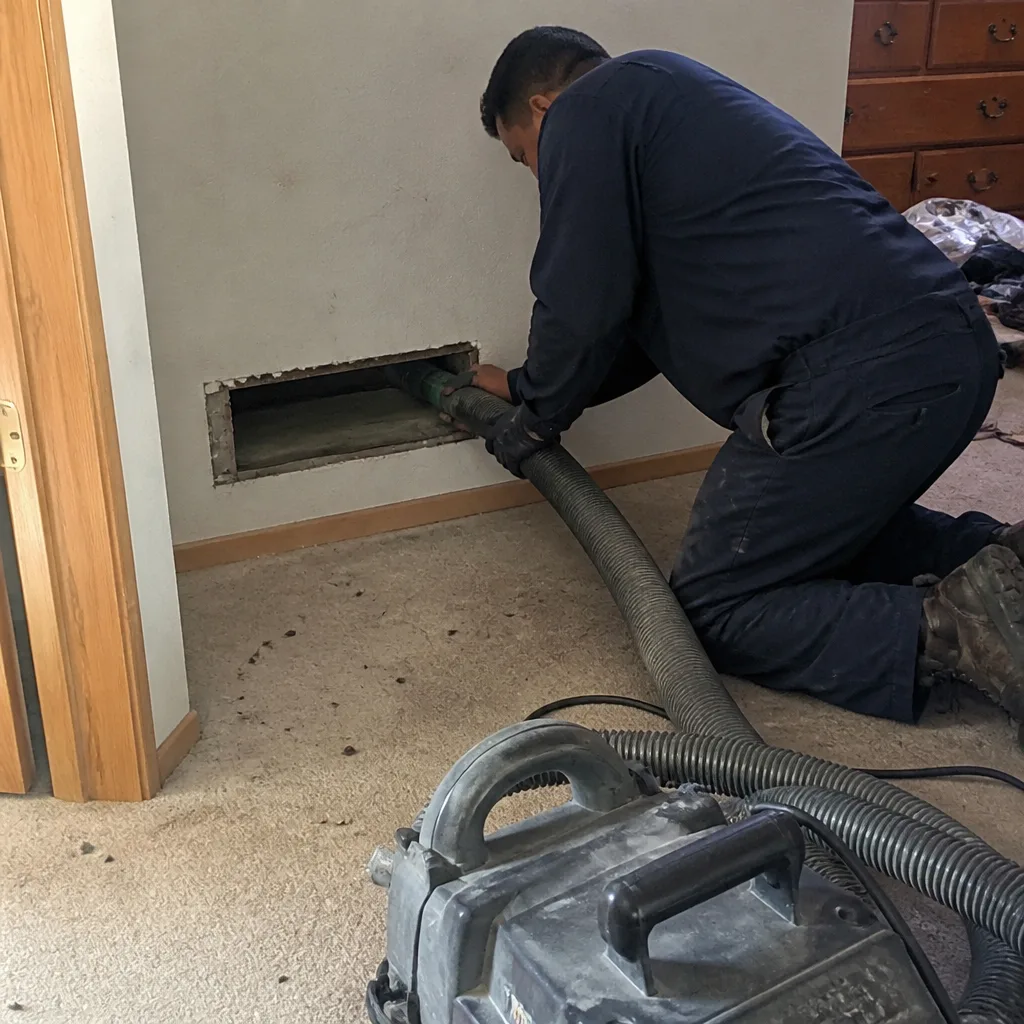 Before
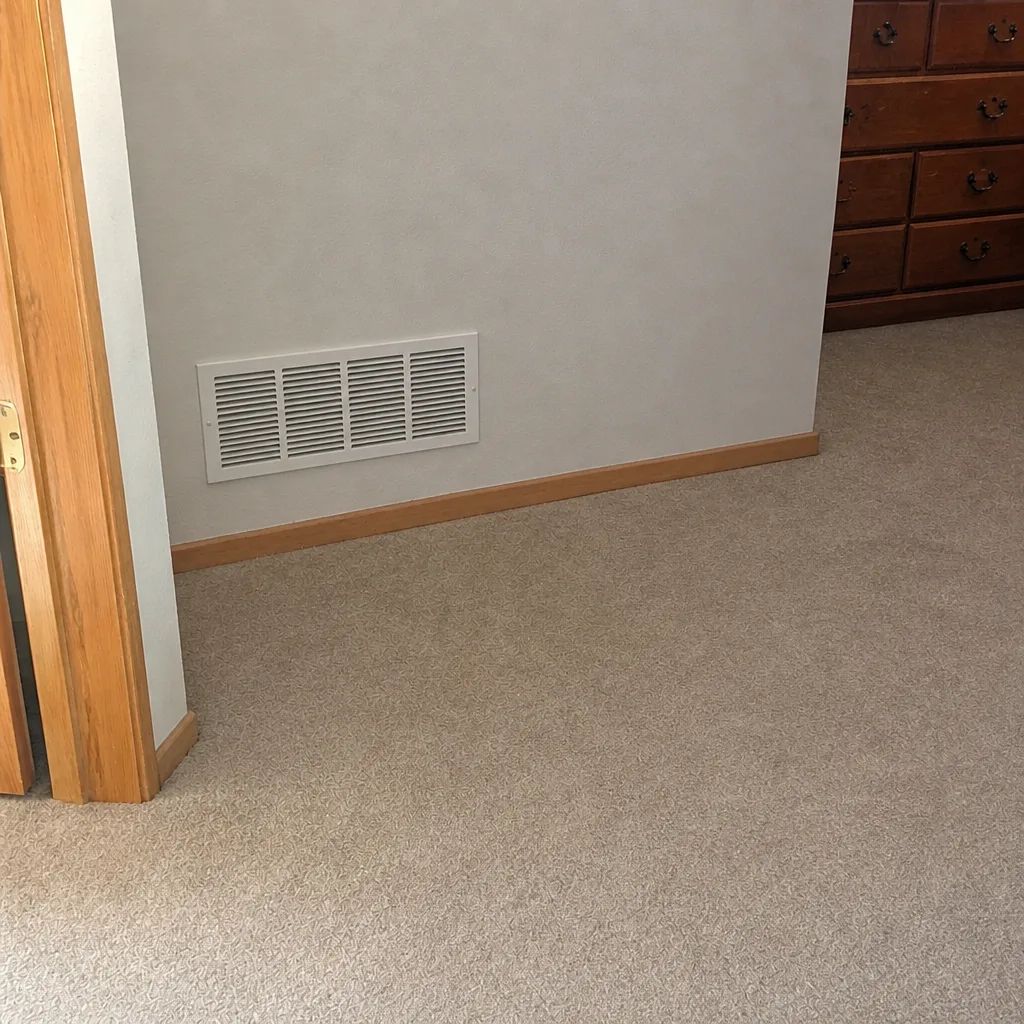 After
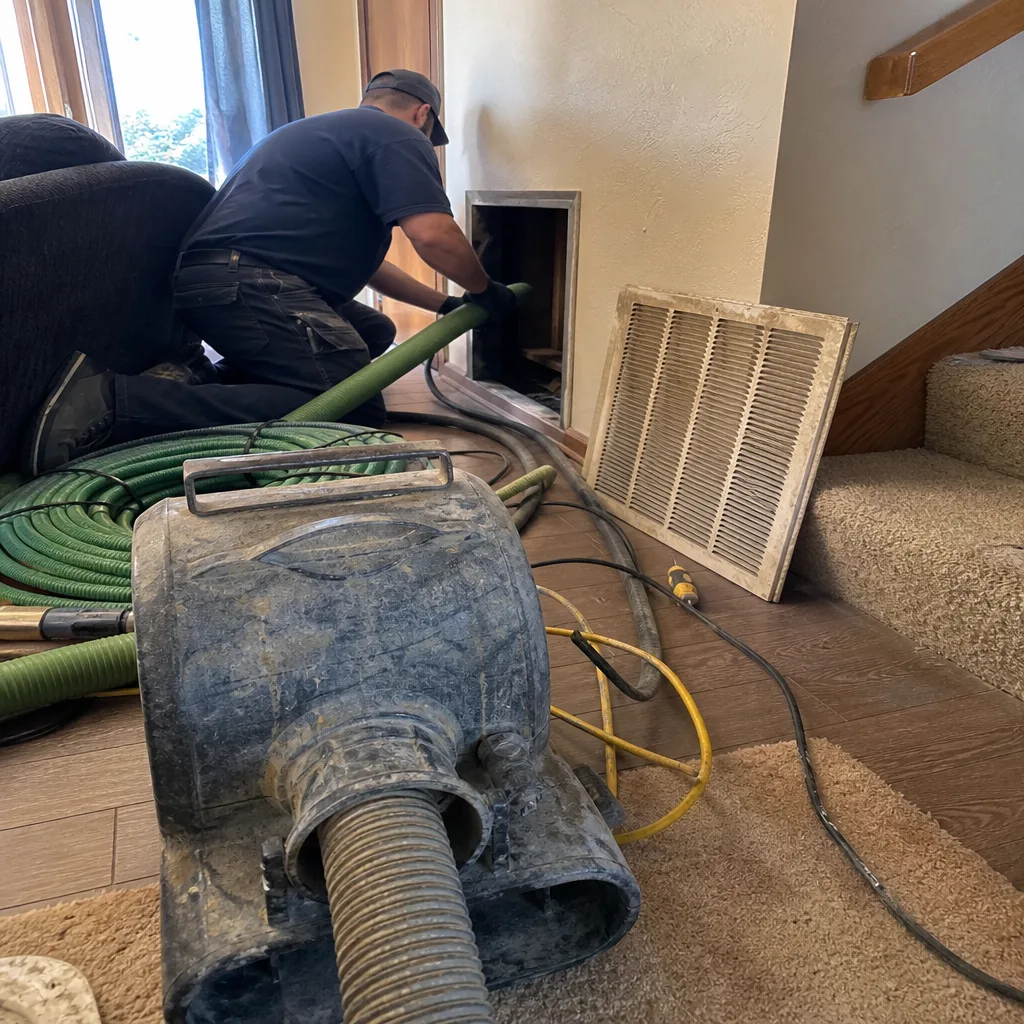 Before
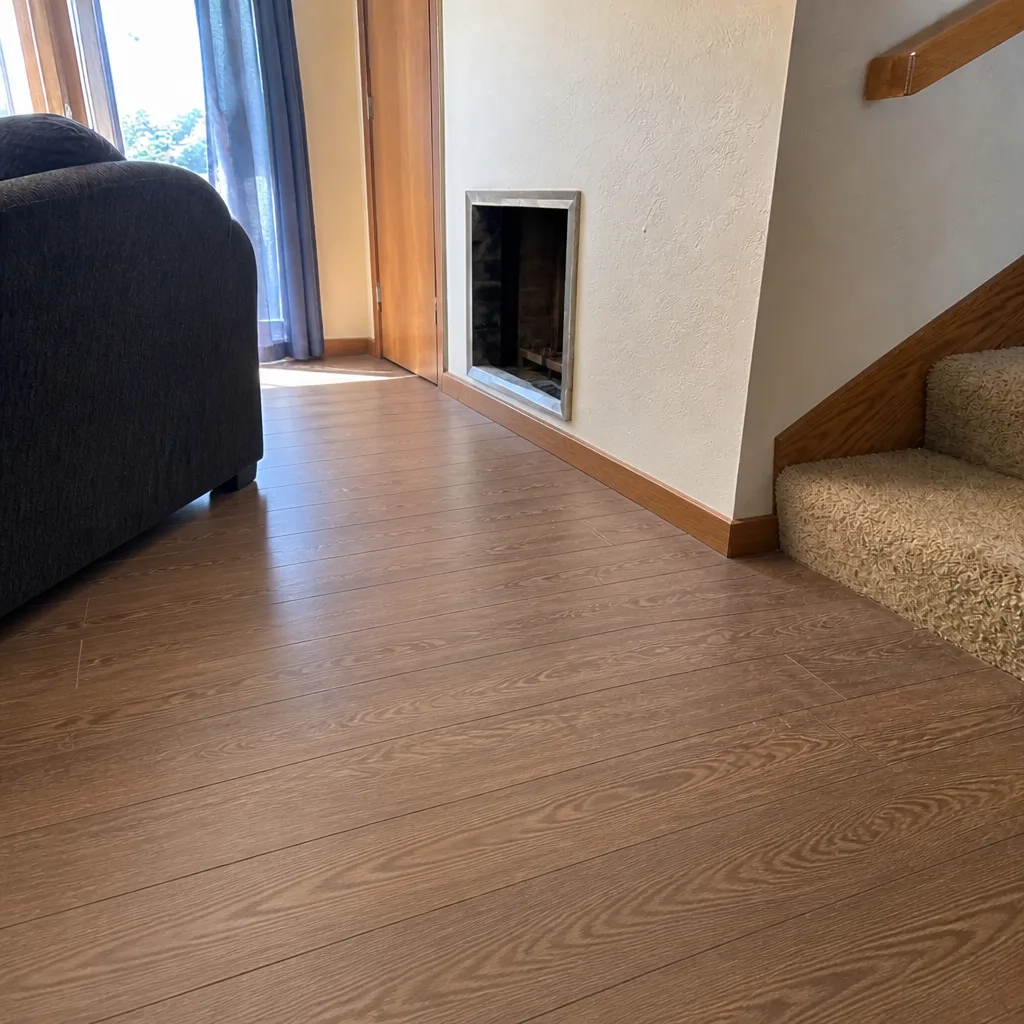 After
When to Call a Professional
Call a professional when you have two or more of the signs in this guide pointing the same direction, or when any single sign is strong enough that you’ve already ruled out the obvious alternatives. If airflow is weak in a whole wing of the house, if a smell returns within days of a cleaning, if you’ve just finished a renovation and the returns are full of construction dust, or if you can’t remember the last time the dryer vent was cleaned, those are reasons to get eyes on the system. The air handler and electrical components inside the furnace cabinet are also not safe to open without training – there’s line voltage inside, and the blower wheel can spin up without warning. That’s a job for a trained technician. Arvada Air Duct Cleaning Co offers free estimates in Arvada – call (833) 482-6448. We answer 24/7, and fast dispatch runs from 7am to 7pm, Sunday through Friday.
Frequently Asked Questions
The first sign is usually a smell that appears only when the system runs – most often a mildew smell at the return grilles or a hot-dust smell that recurs every heating cycle. Visible dust inside the register boots and one room that stays 8-12°F off the thermostat are the next most common early signs. Any of these is worth a professional look. Call (833) 482-6448 for a free estimate.
If the HVAC equipment has been serviced and one room or one wing of the house is still far off the thermostat setting, the problem is in the ducts. A register-to-register airflow comparison confirms it: a single weak register on an otherwise normal system points at a branch duct, and weak airflow across the whole house points at the air handler or return. A technician can measure static pressure to confirm. Call (833) 482-6448 and we’ll walk through it with you.
A smell that appears only when the blower runs is coming from inside the duct system or the air handler – moisture in duct liner, debris on the coil, or dust on the heat exchanger. A smell that’s present whether the system runs or not is usually coming from somewhere else in the house. Cleaning the ducts and addressing the moisture source is the usual fix. Call (833) 482-6448 to schedule an inspection.
Most Arvada homes benefit from a professional duct cleaning every few years, and sooner if there are pets, allergy sufferers, a recent renovation, or a previous cleaning that didn’t include sealing. Homes with swamp coolers tied into the duct system usually need attention more often because of the moisture load. The warning signs in this guide matter more than a calendar rule. Call (833) 482-6448 for a free estimate on your system.
No. A room that runs 8-12°F off the thermostat after the HVAC has been serviced is a duct distribution problem, not normal variation. Common causes are a crushed or disconnected branch duct, a closed balancing damper, or a boot that was never sealed to the drywall. Airflow testing and a visual inspection of the run behind the register usually find the cause. Call (833) 482-6448 to book an inspection.
A very low quote usually covers a narrower scope: the visible branches only, no air handler access, no containment, no sealing. The rest of the work tends to appear on the final invoice. Look for one flat price per system agreed before work starts, before-and-after photos of your own ducts, and a written scope that names every component. Call (833) 482-6448 for an honest estimate on the full system.
The Bottom Line
Your duct system tells you what’s wrong with it before anything breaks, but only if you know what the signals are. Smells point to the source: mildew means moisture, recurring hot dust means debris on the heat exchanger, and a sharp chemical smell can mean a previous treatment or pest activity. Airflow differences between registers point to a specific part of the distribution. Debris location tells you whether the problem is at the grille or deeper in the boot. Health patterns that track system runtime distinguish indoor duct contamination from outdoor pollen. Discoloration patterns distinguish filter bypass from ordinary surface dust. Reading these together gives you a working diagnosis instead of a mystery, and it puts you in a better position to compare estimates on what’s actually included. Arvada Air Duct Cleaning Co provides air duct cleaning, dryer vent cleaning, HVAC cleaning, duct repair and sealing, and air quality sanitizing for homeowners, with professional-grade equipment throughout the system – from the duct opening to the air handler, sealed, cleaned, and verified. Call (833) 482-6448 for a free estimate. We answer 24/7, with fast dispatch from 7am to 7pm, Sunday through Friday.
Written by the team at Arvada Air Duct Cleaning Co.