
Last updated November 23, 2026
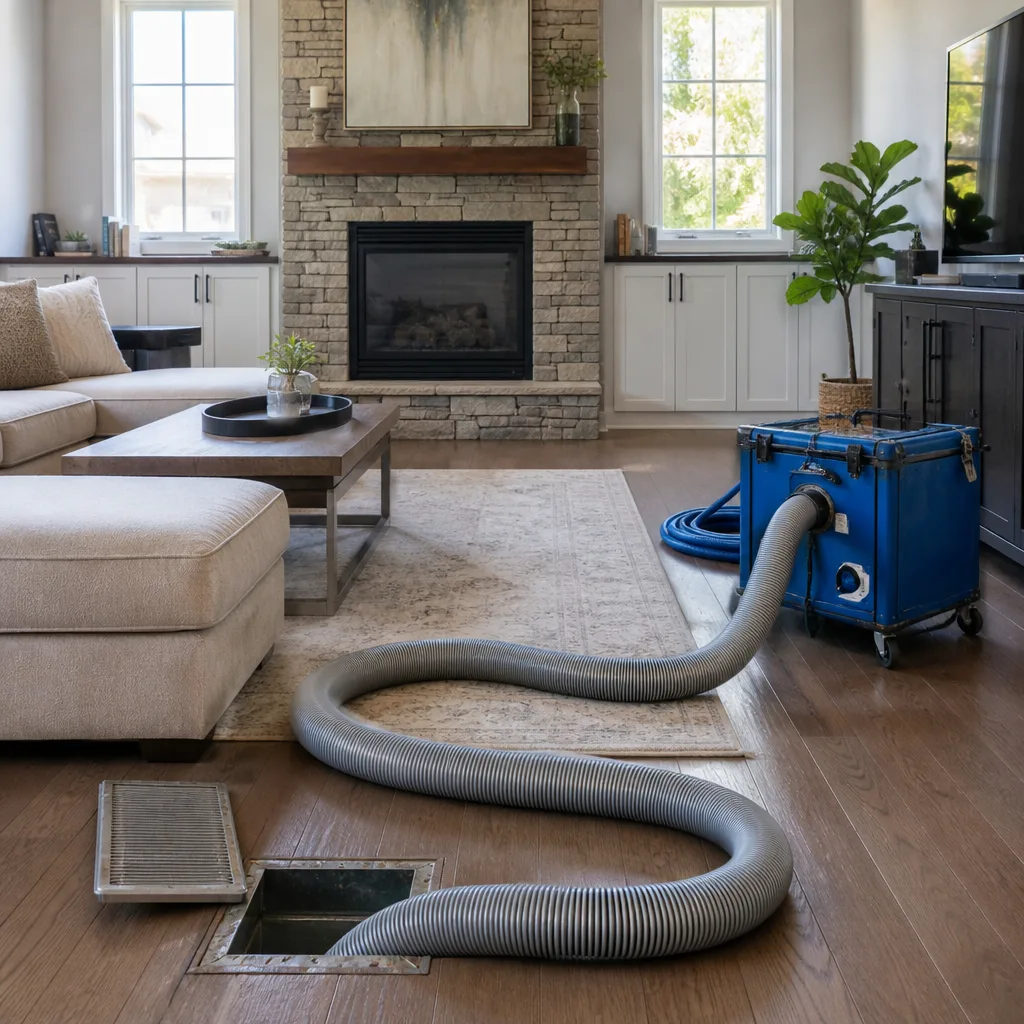 Whole-home duct cleaning
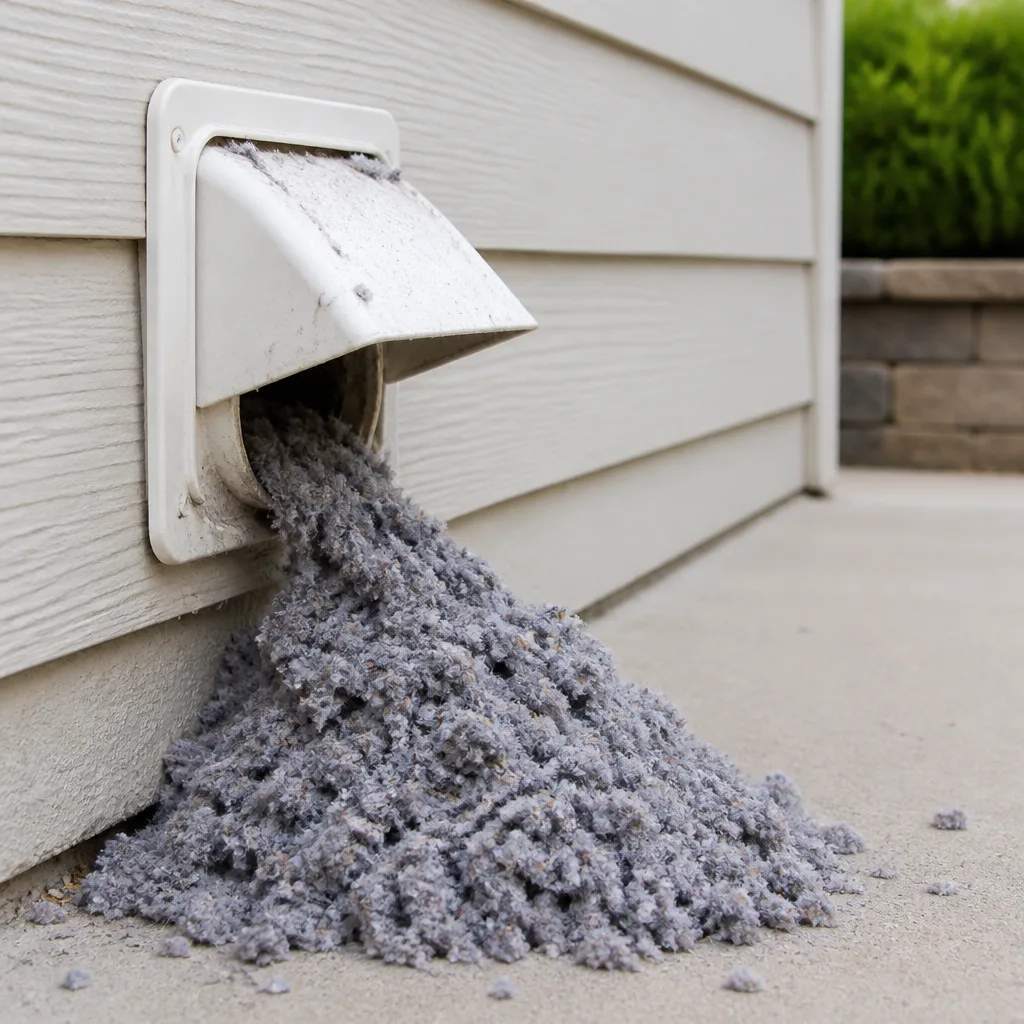 Dryer vent cleaning
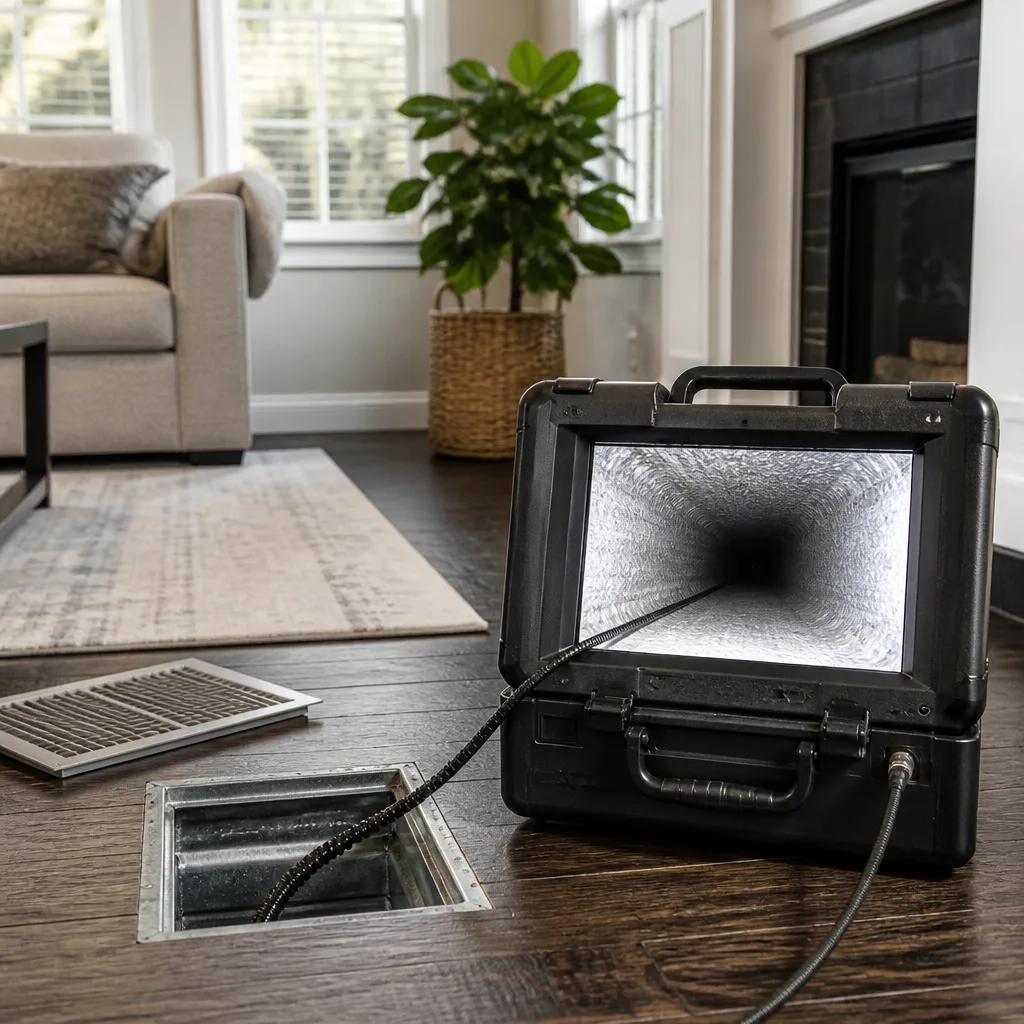 Camera inspection
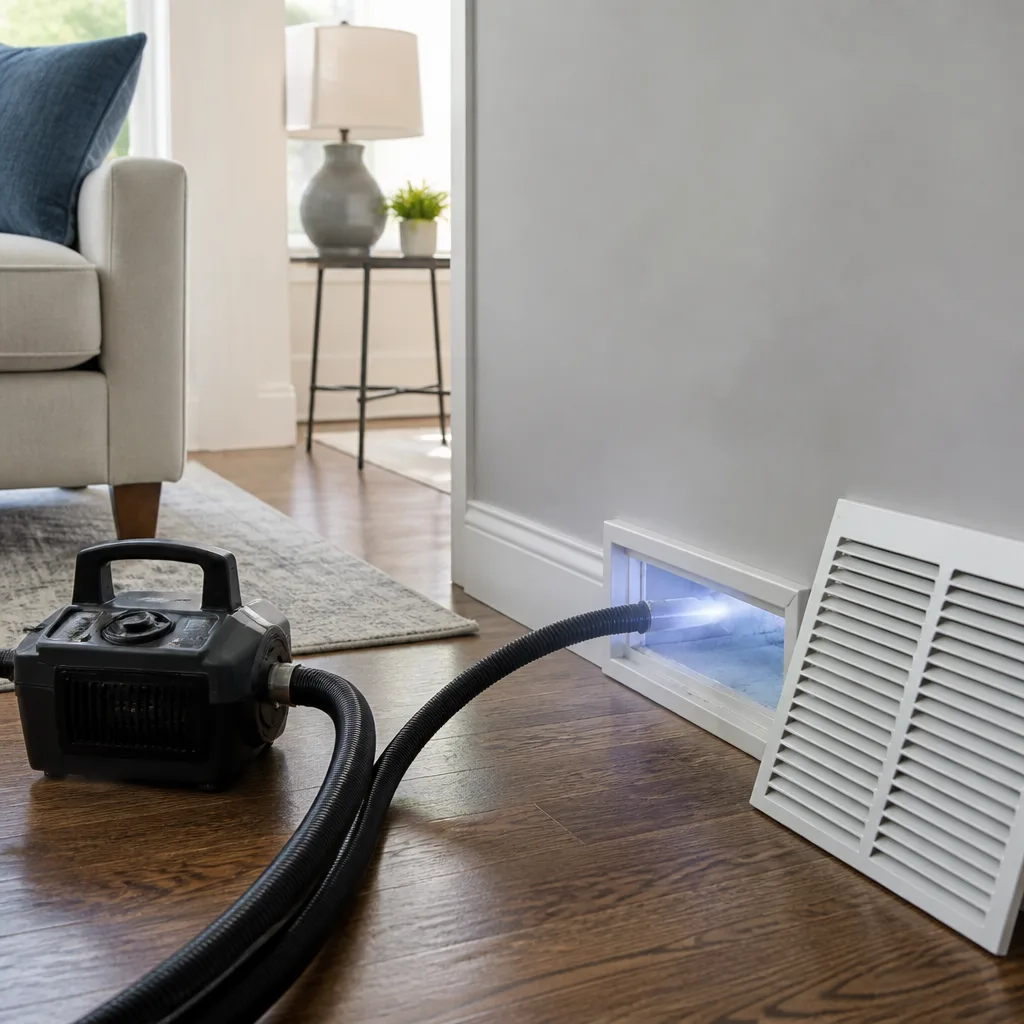 Sanitizing & deodorizing
Whole-system duct and dryer vent check with before-and-after photos - you see exactly what came out of your vents
That "$99 whole-house special" is a bait ad - the real number appears once they are in your hallway, or the "clean" is a shop-vac at the register. We photograph the inside of your ducts before and after instead.
Air Duct Cleaning Permits, Codes & Inspections in Arvada, CO: What You Need to Know
Here’s the part most homeowners don’t expect: in Colorado, no state license is required to vacuum your air ducts. Duct cleaning itself is largely unregulated work. But the moment a technician sprays encapsulant inside your return plenum or cuts a new access panel into sheet metal, you can cross into permitted mechanical work that follows the house through insurance claims and a future resale inspection. Those two facts sit side by side, and almost nobody explains where one ends and the other begins. This guide draws that line clearly for Arvada homeowners: what’s legally required, what’s voluntary, when paperwork matters, and what to ask before anyone touches your system.
Quick Answer
Air duct cleaning on its own does not require a permit in Arvada or anywhere in Colorado, and Colorado does not license duct cleaners as a trade. But duct sealing, encapsulation of interior surfaces, new access cut-ins, and any HVAC modification that changes the mechanical system usually do require a permit under City of Arvada and Jefferson County building codes. If refrigerant lines are opened during the same visit, the technician must hold EPA Section 608 certification. The permit question is about the mechanical work around the cleaning, not the cleaning itself.
Styles & brands we work with
- Whole-home duct cleaning
- Dryer vent cleaning
- Camera inspection
- Sanitizing & deodorizing
Table of Contents
- Is duct cleaning a licensed trade in Colorado?
- When duct cleaning crosses into permitted mechanical work in Arvada
- Duct sealing and encapsulation: what triggers a permit
- EPA Section 608 certification and refrigerant-adjacent work
- Sanitizing products, disclosure, and what to ask
- How unpermitted work shows up on a home inspection
- What resale in Arvada looks like when records are clean
- How to verify a contractor before the visit
Is Duct Cleaning a Licensed Trade in Colorado?
No. Colorado does not license air duct cleaning as a standalone trade, and state statute does not require a credential to run a vacuum through residential ductwork. That’s the plain truth, and it surprises people who assume every trade touching a house carries a license. What Colorado does regulate is the mechanical work around the duct system: HVAC installation and major modification, refrigerant handling, and electrical connections. A company can legally clean ducts with no license at all. The same company cannot legally handle refrigerant without federal certification, and cannot legally perform permitted mechanical work without the local permit and inspection that work requires.
Here’s how the credentials actually stack up:
- State HVAC licensing: Applies to mechanical contractors performing regulated HVAC work. Duct cleaning as a service does not fall under it on its own.
- EPA Section 608 certification: A federal requirement for anyone who handles refrigerants or works on refrigerant-containing equipment. It is not optional and not a marketing badge.
- Local permits and inspections: Issued by the City of Arvada or Jefferson County depending on jurisdiction, and required for certain mechanical alterations.
- Voluntary industry credentials: Trade association memberships and equipment training programs exist, but they are not legal requirements and shouldn’t be presented as if they were.
The takeaway for Arvada homeowners is that “licensed and insured” means different things depending on what the technician is doing that day. Vacuuming ducts and sealing a return plenum are not the same category of work, and the credentials follow the task, not the truck. When you book air duct cleaning, ask what’s actually being performed and whether any of it triggers a permit. Our technicians have up to 10 years of experience, and they’ll tell you plainly which steps are cleaning and which steps are mechanical.
We connect Arvada homeowners with independent local professionals who are licensed and insured as their state requires for the work they perform. That distinction matters here: the right credential depends on the task, not on a single license number printed on a business card.
When Duct Cleaning Crosses Into Permitted Mechanical Work in Arvada
This is the line most homeowners never see drawn. Routine cleaning, meaning mechanical agitation and negative-pressure vacuuming of the existing duct system with no alteration to the structure, does not require a permit in Arvada. The work is maintenance. Once the scope changes the system, the permit question changes with it. City of Arvada and Jefferson County building departments review mechanical permits for alterations, and new penetrations or system modifications generally fall into that category.
Work that typically stays permit-free:
- Mechanical cleaning of supply and return ducts with the system left intact
- Vacuuming and brushing of registers, grilles, and plenum interiors as part of cleaning
- Replacing a filter at the air handler
- Cleaning a dryer vent run with no change to the duct path
Work that commonly requires a permit or at least a call to the building department:
- Cutting a new access panel into sheet metal ductwork for the first time
- Adding, removing, or rerouting a duct run
- Sealing duct joints with mastic or tape where the system layout changes
- Spray-applying encapsulant to interior duct surfaces as a coating, not a cleaning step
- Any modification to the air handler, plenum, or refrigerant circuit
Arvada’s housing stock makes this practical rather than theoretical. Older homes in the older core neighborhoods around Olde Town often have original sheet metal ductwork with no access panels, so a thorough cleaning may require cutting one. Newer construction in west Arvada and the Candelas area usually has flexible duct and existing access, which keeps the job in pure-cleaning territory. The permit question depends on the house, not on the company.
Ask before work starts: “Will this job involve cutting into the ductwork or changing the system in any way?” A straight answer tells you whether you need to budget time for a permit and an inspection.
Duct Sealing and Encapsulation: What Triggers a Permit
Sealing leaky ducts is one of the genuinely valuable services in this trade, and it’s also where the permit line gets blurriest. Sealing tape and mastic applied to joints in an accessible attic or crawlspace is generally treated as repair work, not permitted alteration. Spray encapsulation, where a technician coats the interior surfaces of the duct system with a sealant or antimicrobial coating, sits closer to the line. It changes the interior surface of the system, and depending on the scope it can be reviewed as a mechanical alteration rather than maintenance.
Here’s the practical breakdown:
- Identify the sealing method. Tape and mastic at joints, aerosol sealing of small leaks, and interior spray encapsulation are three different processes with three different regulatory footprints.
- Ask if the duct layout changes. Sealing in place is one thing. Adding or rerouting duct runs during the sealing visit is mechanical alteration and typically needs a permit.
- Ask for the product data sheet. Encapsulants have manufacturer instructions for application thickness, cure time, and the surfaces they can safely coat. A company that can’t produce the sheet is guessing.
- Confirm whether a permit is being pulled. If the scope includes new ductwork or a mechanical change, the permit should be pulled before work begins, not after.
- Get the completion documentation. If a permit was required, the inspection record is part of your home’s paper trail. Keep it with your HVAC records.
Duct repair and sealing are part of our core scope because cleaning alone leaves leaky ductwork behind, and a system that leaks 20 percent of its conditioned air isn’t delivering clean air to the rooms you’re paying to heat or cool. Sealing without knowing whether a permit applies is a different problem. When we connect you with a local professional for sealing work, the scope and the paperwork should be agreed before the visit, not after.
One more point specific to Arvada: the front range’s dramatic temperature swings between heating season and cooling season put real stress on duct joints. That’s why sealing matters here, and it’s also why the work should be done to a documented standard rather than eyeballed.
EPA Section 608 Certification and Refrigerant-Adjacent Work
If a technician is going to open refrigerant lines, add refrigerant, or service the refrigerant circuit during a visit that includes HVAC cleaning, that person must hold EPA Section 608 certification. This is federal law under the Clean Air Act, not a state rule and not a company policy. It applies to anyone who maintains, services, repairs, or disposes of equipment that could release refrigerant into the atmosphere. No Section 608 card, no legal refrigerant work. Full stop.
Here’s why this matters for a duct cleaning appointment. Most cleaning visits don’t touch refrigerant at all. But if the scope includes inspecting the evaporator coil, verifying the air handler, or checking charge as part of a full-system clean, and if the technician discovers a refrigerant issue that needs correction, you want the person doing that correction to be certified. The certification is individual, not organizational. A company can hold every other credential in the world and still have an uncertified technician in your mechanical closet.
What to ask:
- “Will anyone on this visit be handling refrigerant or opening the refrigerant circuit?”
- “If so, is that person EPA Section 608 certified, and can I see the card?”
- “If refrigerant work is outside this visit’s scope, who performs it and are they certified?”
Rotobrush and Nikro equipment handle the mechanical cleaning side of the job. Refrigerant handling is a separate skill set with a separate federal credential, and the two should never be blended into a single “we can do everything” claim without names and cards attached. Honeywell and Aprilaire air quality components, when they’re part of the system, add another layer: those are air quality and filtration products, and servicing them is a different task from refrigerant work.
Sanitizing Products, Disclosure, and What to Ask
“Sanitizing” is one of the least defined words in this trade, and Colorado homeowners should treat it with healthy skepticism. There is no single state guideline that certifies a duct sanitizing product as safe and effective for residential use. What exists is a patchwork: EPA registration for antimicrobial products making specific claims, manufacturer instructions for application, and Colorado’s general protections around indoor air quality and consumer disclosure. If a company is applying a chemical inside your duct system, you’re entitled to know what it is and what it’s for.
Questions to ask before any product goes in your ducts:
- What’s the product name and manufacturer? A vague “hospital-grade sanitizer” is not an answer.
- Is it EPA-registered for use in HVAC ductwork specifically? Registration for a hard surface and registration for interior duct surfaces are different listings.
- What’s the active ingredient and the concentration applied? Both matter.
- What’s the dwell time and the recommended ventilation afterward? Manufacturer instructions specify this, and it’s not optional.
- Is a safety data sheet available? Any legitimate product has one.
- Are there household members with asthma, chemical sensitivity, or infants, and does the product fit? Ask the manufacturer’s technical line if you’re unsure.
We use Guardsman sanitizing products because they’re formulated for this application and the documentation is available on request. The point isn’t which brand we use, though. The point is that sanitizing should be the final step that protects the work already done, applied with documentation in hand, not an unlabeled spray from an unmarked bottle. In our experience, the companies that resist these questions are the ones that haven’t read the product data sheet themselves.
Note the permit question here too. Spraying a coating on interior duct surfaces as a durable encapsulation is different from a light sanitizing treatment. A coating that changes the interior surface can be reviewed as a mechanical alteration. A sanitizing treatment that kills what’s already there is a cleaning step. Both are legitimate. They are not the same thing, and the paperwork should distinguish them.
How Unpermitted Work Shows Up on a Home Inspection
Unpermitted HVAC-adjacent work doesn’t disappear when the job ends. It tends to surface at the worst possible moment: during a buyer’s home inspection, when the house is under contract and the clock is running. Home inspectors look for clues that work was done without a permit. New sheet metal that doesn’t match the existing ductwork finish, an access panel that isn’t in the expected location, an added duct run with no permit record on file with the city, an air handler replacement with no inspection sticker, and sealant patterns that don’t match the system’s original construction are all things that catch an inspector’s eye.
What happens next depends on the transaction:
- The inspector flags it in the report. The buyer’s agent asks for documentation.
- You can’t produce a permit record. The buyer asks for a credit or a repair escrow.
- The deal gets renegotiated or delayed. Sometimes it’s a small credit. Sometimes it’s a structural hold-up.
- You pay for a retroactive inspection or removal. Correcting unpermitted work after the fact costs more than doing it right the first time, and the correction process is slower.
- The work stays in the record even if it’s fine. Even if the work was done correctly, the missing paper trail stays in the file and comes up again at the next sale.
Arvada’s market has a mix of homes that have been through multiple ownership changes over decades. The older neighborhoods around Olde Town and along the Ralston corridor often carry a history of additions and mechanical updates that didn’t always include permits. If you’ve recently bought a home in Arvada and you’re not sure whether the duct modifications were permitted, the building department can pull the record for you. That’s free, and it’s the only authoritative answer.
When you’re considering dryer vent cleaning, the permit question is nearly always absent. Dryer vent cleaning is maintenance, and it doesn’t touch the mechanical system. It’s also worth doing for a reason that has nothing to do with permits: the National Fire Protection Association flags dryer vent maintenance as critical home fire safety maintenance. That risk is documented and real, and it’s one of the reasons we keep dryer vent work as a core service rather than an add-on.
What Resale in Arvada Looks Like When Records Are Clean
When the records are clean, a resale inspection is a nonevent. The inspector sees the mechanical system, checks what’s accessible, notes the age of components, and moves on. There’s no scramble to find a permit number, no call to the city, no buyer credit. This is what’s possible, and it starts with knowing which jobs require a permit before the work is scheduled.
A simple habit that pays for itself at resale: keep a folder, physical or digital, that holds every HVAC-related receipt, permit record, and inspection report for the home. When a duct cleaning visit happens, the receipt should say what was done, what products were applied, and whether any of it changed the system. If a permit was pulled, the inspection record goes in the folder. If no permit was required, the receipt should say so. That paper trail is worth more than any marketing brochure a company hands you.
For Arvada homeowners in newer construction, records are usually straightforward because the original build is well documented. For older homes, the folder might begin with the work you’re doing now. Either way, start it. Our teams have seen how much easier a resale inspection goes when the documentation is already in hand, and how much friction it saves on both sides of the transaction. That’s not a sales point; it’s just the mechanics of how a house transaction works.
The full scope question runs alongside this. A company that cleans ducts and leaves the rest alone gives you a receipt that says “cleaned.” A company that handles Arvada Air Duct Cleaning Co-style full-system work, including cleaning, sealing, sanitizing, and dryer vent service, gives you a record that reflects everything done to the system. A complete record is what makes the resale inspection easy.
How to Verify a Contractor Before the Visit
Verification takes about ten minutes and you don’t have to know the codes to do it. Here’s the step-by-step:
- Ask for the company’s legal name and the scope in writing. No scope, no visit.
- Ask what, specifically, requires a permit in this job. If the answer is “nothing ever,” ask for confirmation in writing. If the answer is “let me check with the city,” that’s a good sign.
- Confirm EPA Section 608 certification if any refrigerant work is in scope. The certification is individual; ask who holds it.
- Request product data sheets for any sanitizing or encapsulating product being applied. Any legitimate company has them.
- Check insurance. General liability and workers’ comp should be current. Ask for a certificate of insurance.
- Confirm the permit will be pulled by the company if the scope requires one. Some scopes require the property owner to pull the permit. Know which one applies before the work starts.
- Ask about containment. Professional equipment keeps debris in the system during cleaning, not in the air of the home. Abatement Technologies equipment exists for this reason: it’s the same category of containment used in commercial and remediation work, and it shouldn’t be missing from a residential visit.
You can also call the City of Arvada building department directly and ask whether a permit is required for the specific scope you’re being quoted. That call is free, and it’s the authoritative answer.
We answer 24/7. Fast dispatch from 7am to 7pm, Sunday through Friday. If you’re mid-decision on a scope and want a second read on whether a permit applies, call (833) 482-6448 and we’ll talk through it.
Common Mistakes to Avoid
- Assuming “licensed and insured” means a license exists for duct cleaning. Colorado doesn’t license this trade. The credential covers the mechanical work around the ducts, and it’s worth asking which specific work it applies to on your visit. A company that answers “all of it” hasn’t thought it through.
- Getting an access panel cut without asking about permits first. Access panels are sometimes necessary for a thorough clean, and that’s fine. But cutting new sheet metal is a mechanical alteration, and asking about the permit before the cut is scheduled costs nothing.
- Treating spray encapsulation as “just cleaning.” If the product is a durable coating that changes the interior surface, it’s a different category of work. Ask which one you’re buying, and get it in writing.
- Not checking EPA certification when refrigerant work is in the picture. Individual certification is a federal requirement. If the technician can’t show the card, the work shouldn’t proceed.
- Letting a “sanitizing” step happen with no documentation. You’re entitled to the product name, the active ingredient, the EPA registration status, and the safety data sheet. A spray with no label is not a professional service.
- Dismissing permits as paperwork for someone else’s problem. Unpermitted work resurfaces at resale, often as a buyer credit or a repair escrow. The paperwork is part of the work.
- Skipping dryer vent service because it feels separate from HVAC. Dryer vent cleaning is part of this trade’s core scope, and the fire risk it addresses is well documented by the National Fire Protection Association. In Arvada homes with long dryer runs, lint accumulation is the reason to keep it on the schedule.
See the difference
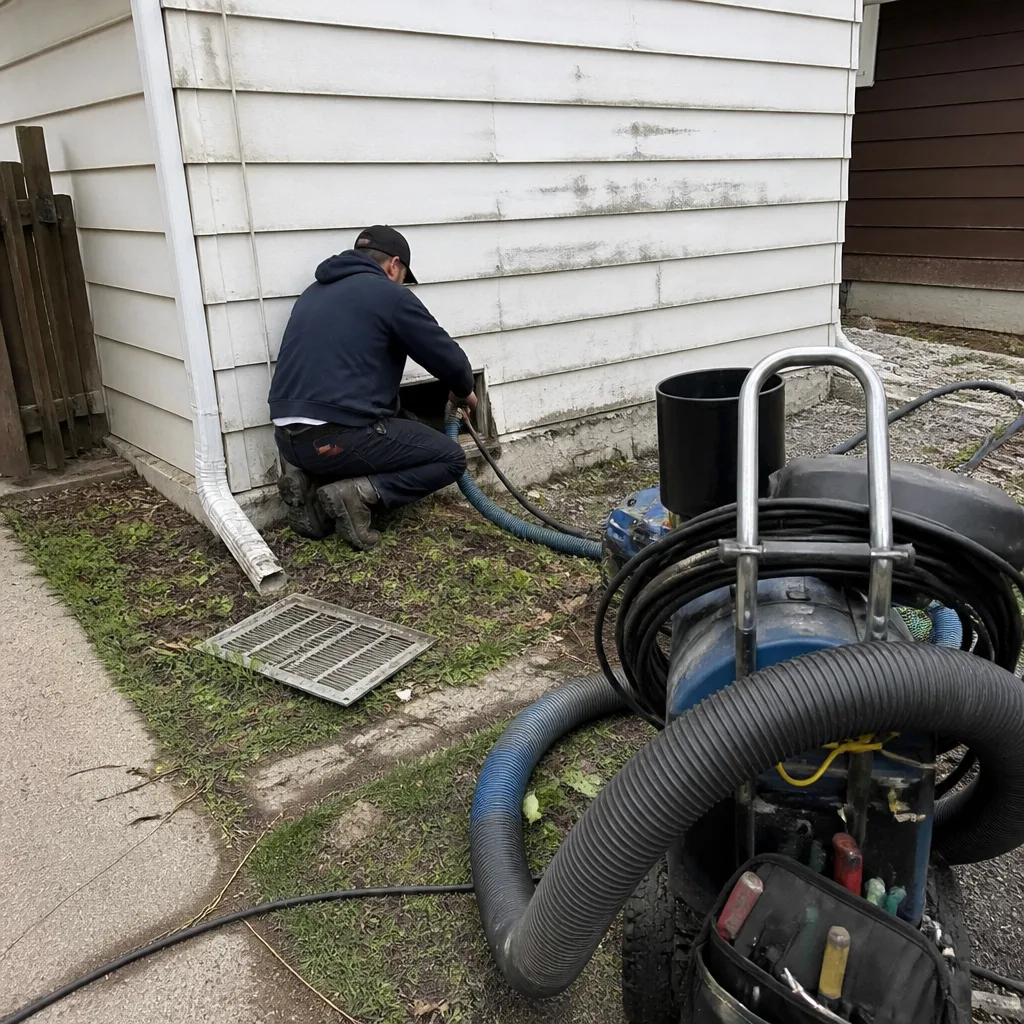 Before
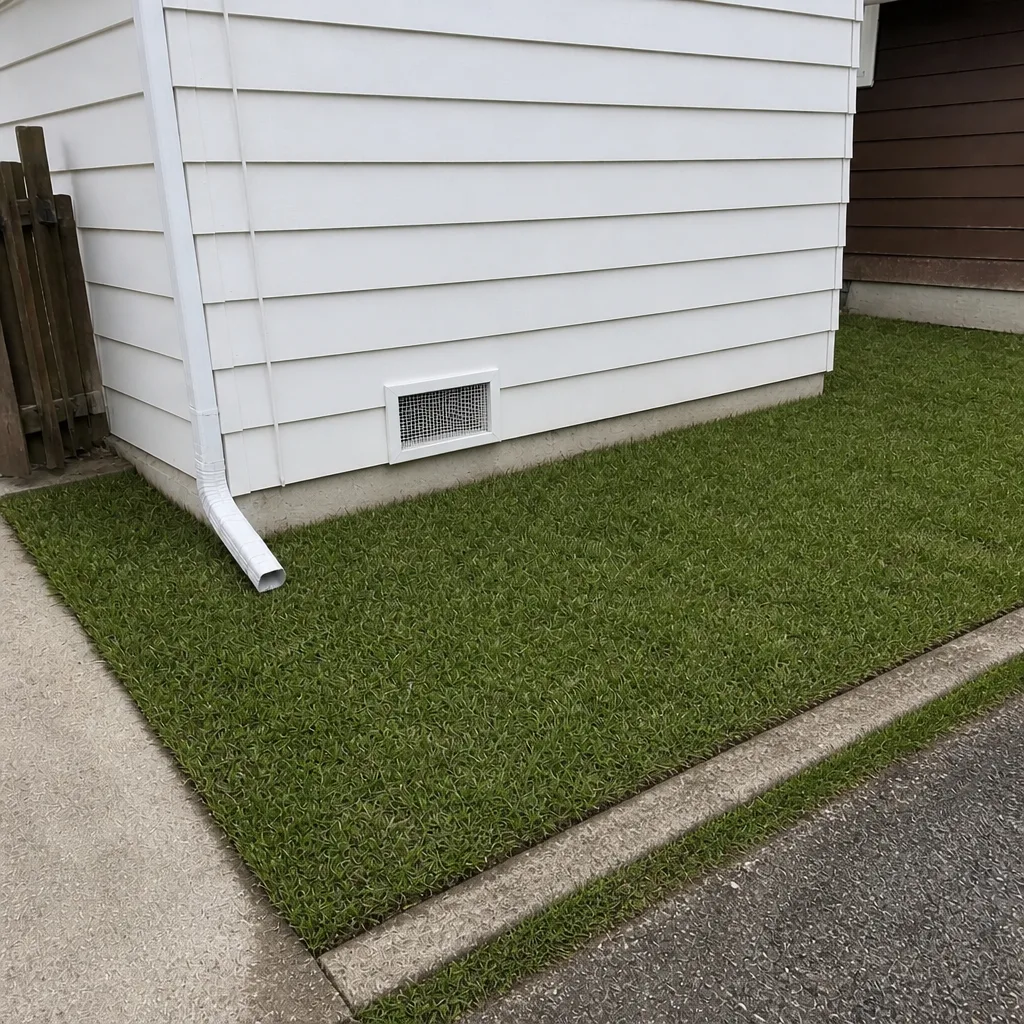 After
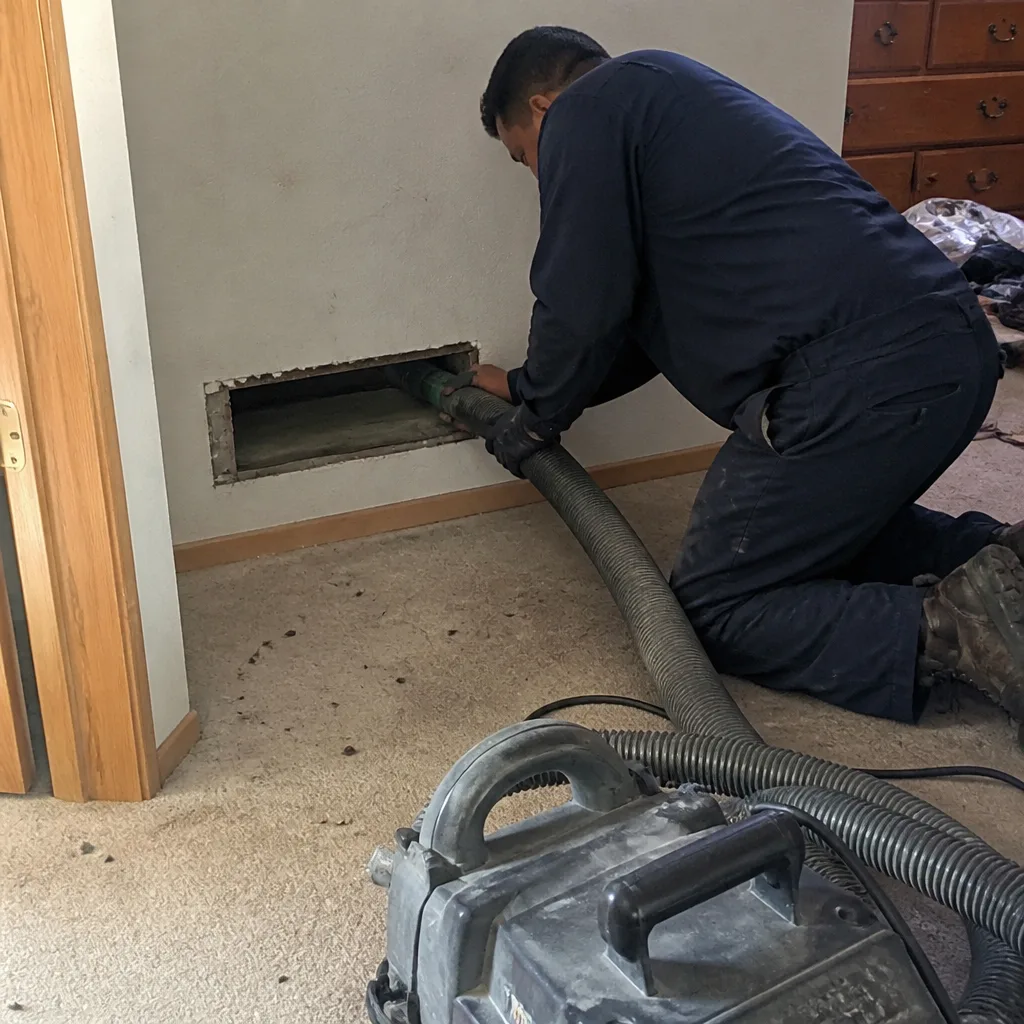 Before
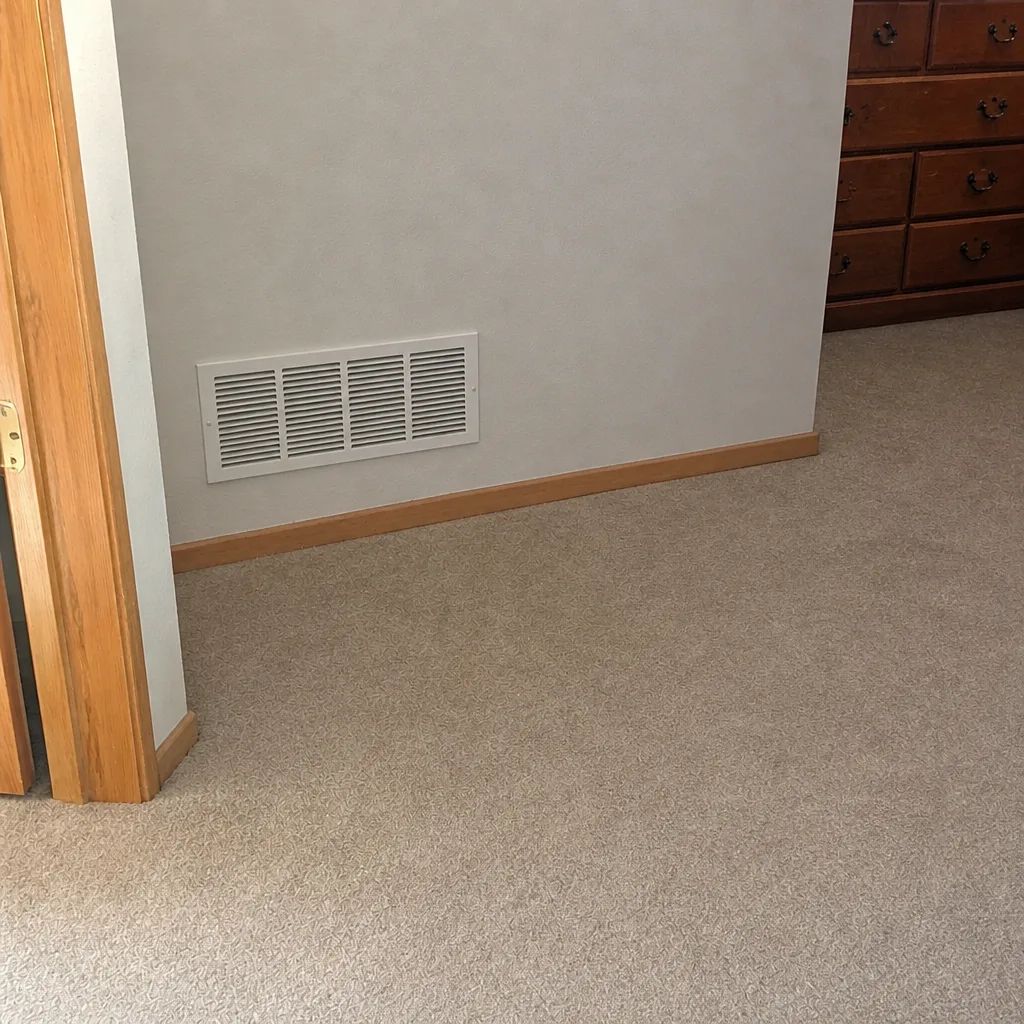 After
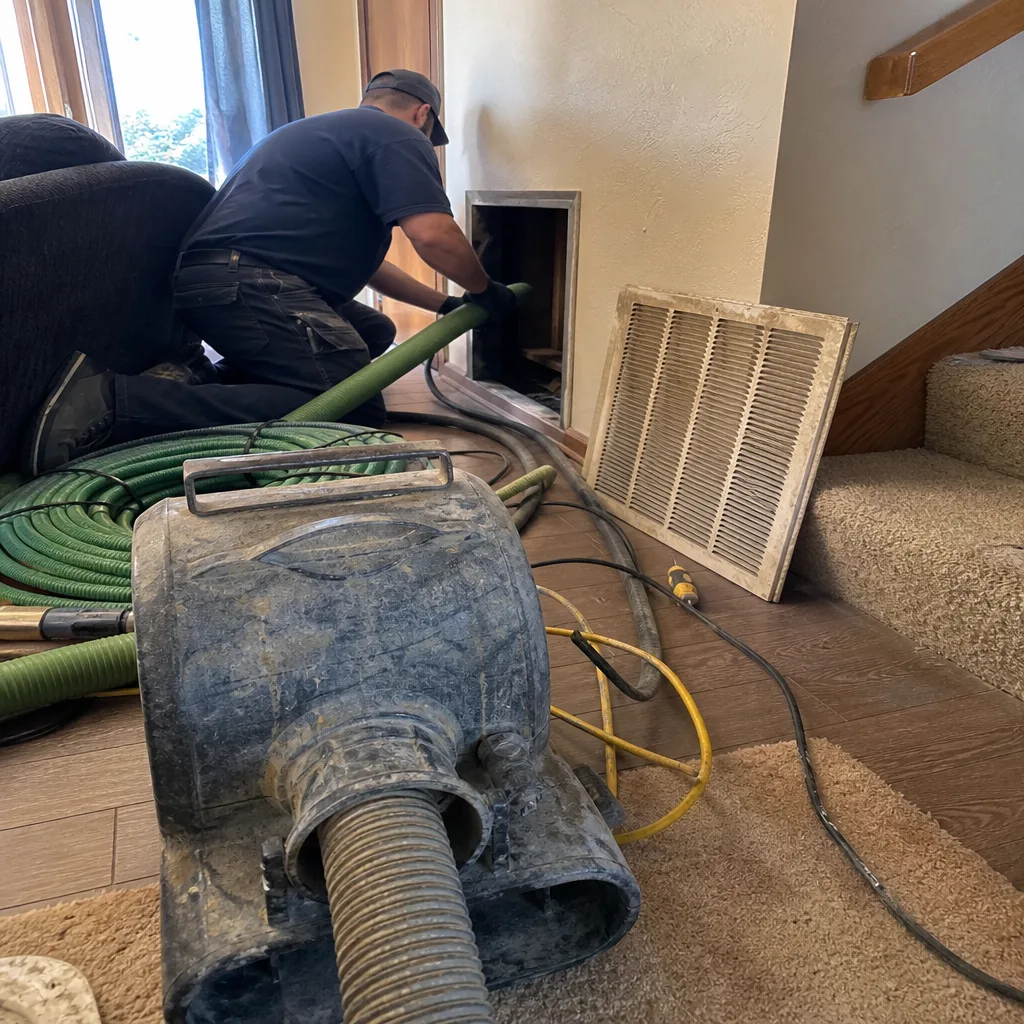 Before
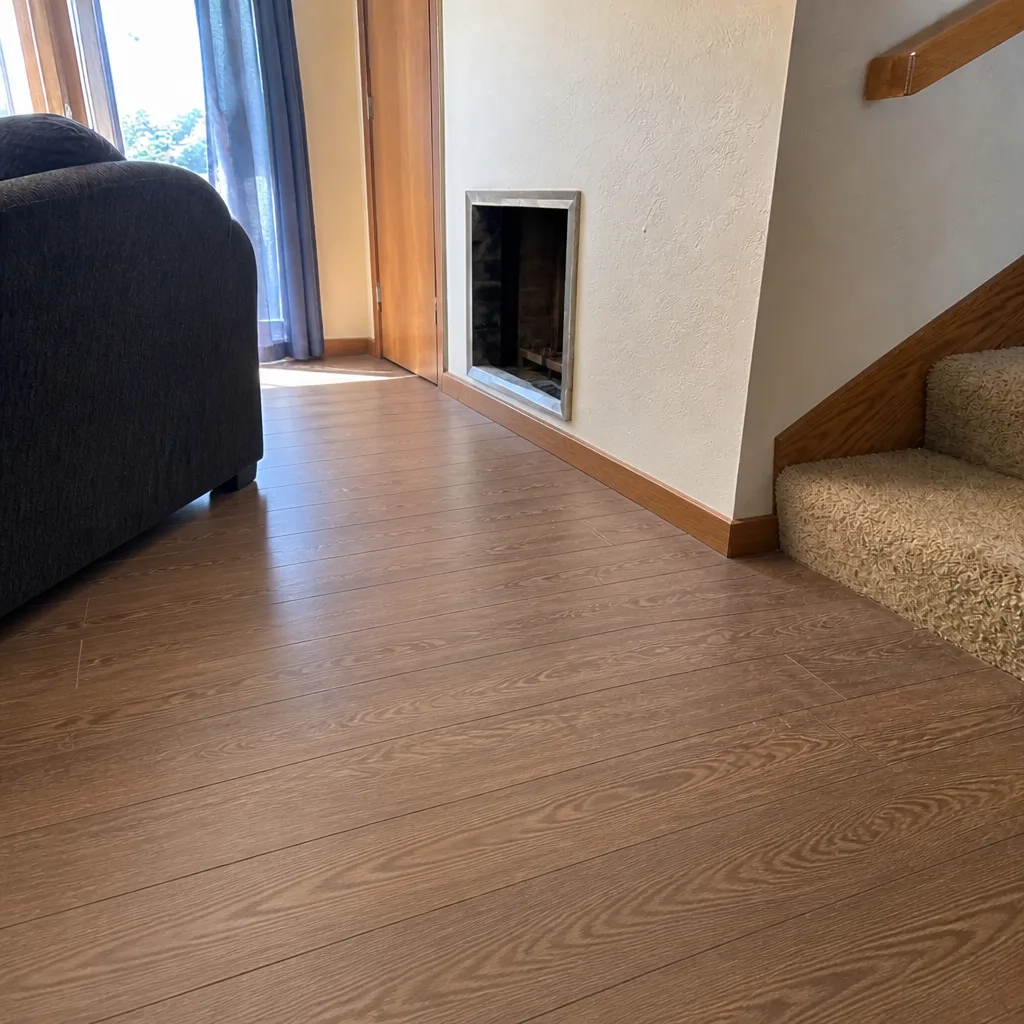 After
When to Call a Professional
Call for duct cleaning when you’ve recently moved in, finished a renovation, noticed visible dust blowing from supply registers, or you keep cycling through filters faster than expected. Call for duct sealing when you’re paying to heat or cool rooms that never feel comfortable, which usually points to leaks in the system. Call for dryer vent cleaning on a regular cadence regardless of whether anything seems wrong, because the lint that causes fires doesn’t announce itself. Call if you’re prepping a home for sale and you don’t have HVAC records in hand. Call if a technician wants to cut into sheet metal or apply a coating and you’re not sure whether a permit applies. And call before the work begins if a scope feels vague.
Arvada Air Duct Cleaning Co offers free estimates in Arvada. Call (833) 482-6448. One flat price per system is agreed before work starts, you see before-and-after photos of your own ducts, and the local pro connected to you is licensed and insured as their state requires. We answer 24/7. Fast dispatch from 7am to 7pm, Sunday through Friday.
Frequently Asked Questions
No. Routine air duct cleaning in Arvada does not require a permit, and Colorado does not license duct cleaners as a trade. A permit may be required if the same visit includes duct sealing that changes the system layout, new access panels cut into sheet metal, or any HVAC modification. The permit applies to the mechanical work, not the cleaning. Call (833) 482-6448 to talk through a specific scope before booking.
Largely no. Colorado doesn’t license duct cleaning as a standalone trade, and no state credential is required to perform it. What is regulated: refrigerant handling under EPA Section 608, mechanical HVAC work under local building codes, and permit requirements for system alterations. Ask which category each task on your visit falls into. Call (833) 482-6448 for an exact quote on your scope; estimates are free.
Insurance (general liability and workers’ comp) is essential. EPA Section 608 certification is required for anyone touching refrigerant. Local permits are required for certain mechanical work, and the company should know when to pull one. Trade association memberships and equipment training are useful but voluntary. The right credentials depend on what the technician is actually doing. Call (833) 482-6448 if you want to talk through a quote; we’ll explain which parts of the job carry which requirements.
Colorado’s framework around indoor air quality gives homeowners a reasonable expectation of disclosure, though there isn’t a single state rule that certifies duct sanitizing products for residential use. Ask for the product name, active ingredient, EPA registration status, application concentration, and safety data sheet before any spray goes in your system. A company applying an unknown chemical isn’t providing a professional service. Call (833) 482-6448 for a free estimate, and we’ll walk through the products we use.
It can, and it usually surfaces during the buyer’s home inspection. The inspector flags mismatched sheet metal, unexpected access panels, added duct runs without permit records, or a replaced air handler with no inspection sticker. The buyer then asks for documentation, and if none exists, the deal renegotiates or stalls. Call the City of Arvada building department to check the record on your home; it’s free. Call (833) 482-6448 if you’d like a scope review before you commission new work.
There’s no fixed interval that fits every house. Arvada’s rapid temperature swings between heating season and cooling season put stress on the HVAC system and can push more debris through it, and homes with pets, recent renovations, or allergy sufferers tend to need it more often than empty-nest homes. A practical approach is to inspect first and clean when the inspection shows accumulation, rather than on a fixed calendar. Call (833) 482-6448 for a free estimate that starts with an honest assessment of your system.
The Bottom Line
The regulatory line in Colorado is simpler than it looks once you separate cleaning from mechanical work. Cleaning doesn’t require a permit. Sealing that changes the system, new access cut-ins, and HVAC modifications usually do. Refrigerant work requires EPA Section 608 certification, individual to the technician. Sanitizing products should come with documented names, ingredients, and safety data. Unpermitted work resurfaces at resale inspection, and the paper trail is what makes that inspection a nonevent. Air ducts, dryer vents, HVAC components, duct repair and sealing, and air quality sanitizing are all part of the full-system scope. From the duct opening to the air handler, the work should be sealed, cleaned, and verified.
Ready to sort out your Arvada home’s system? Call (833) 482-6448 for a free estimate. We answer 24/7. Fast dispatch from 7am to 7pm, Sunday through Friday.
Written by the team at Arvada Air Duct Cleaning Co.